
Overview of the Ministerial Council Meeting
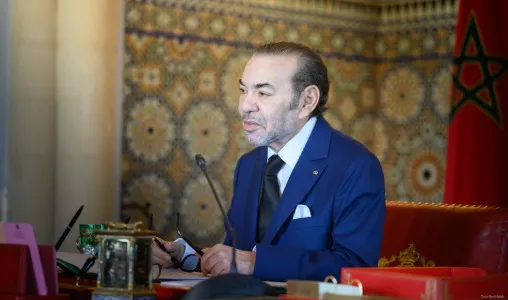
On April 9, 2026, King Mohammed VI convened a Ministerial Council at the Royal Palace in Rabat, addressing a wide-ranging agenda that included significant legislative, administrative, and strategic priorities. Among the key topics discussed were the approval of two draft organic laws, a decree focused on military administration, and several international agreements alongside high-level appointments across various sectors.
Highlights and Strategic Frameworks
The council began its session with a review of Morocco's agricultural season, during which the Minister of Agriculture, Fisheries, Rural Development, and Water and Forests reported exceptional rainfall across the country. With an average of 520 millimeters of rain—a 54% increase compared to the last 30 years—this surge in precipitation has led to a boost in agricultural productivity, filling dams to 75% capacity and resulting in record production levels of olives, citrus fruits, and dates. Additionally, the improved conditions have positively impacted livestock health, aligning with national directives to revitalize the herd.
Further discussions encompassed the governance framework for a new generation of integrated territorial development programs. The Interior Minister outlined a locally driven approach that prioritizes programming based on citizen needs, focusing on enhancing living conditions, improving regional attractiveness, fostering economic growth, and creating job opportunities. The ambitious initiative is set to have a projected budget of approximately 210 billion dirhams over eight years, with implementation through local and national committees ensuring coordination, transparency, and effective monitoring facilitated by digital platforms and annual audits by finance and territorial administration inspectors.
The council also examined proposed reforms for regional governance, endorsing a draft organic law designed to update the framework governing regional authorities. This legislation aims to enhance the financial capacities of regions, delineate shared and exclusive competencies, and transform regional project execution agencies into corporate entities to heighten efficiency and performance. Additionally, another draft organic law was approved to modernize regulations concerning high-level appointments in public institutions, including the National Agency for Child Protection and judicial conservators.
On the military front, the council sanctioned a decree revising the status of military attachés stationed abroad, ensuring appropriate allowances for specific responsibilities as directed. Furthermore, the council embraced 15 international agreements, which encompassed 11 bilateral treaties related to civil aviation, judiciary, customs, and military cooperation, as well as four multilateral agreements involving organizations such as the World Trade Organization and the African Union Development Agency, which is set to establish its national office in Morocco.
In closing, the council endorsed several key appointments in the health sector, naming new directors for territorial health groups in regions such as Casablanca-Settat, Rabat-Sale-Kenitra, Fez-Meknes, Laâyoune-Sakia El Hamra, and Souss-Massa, thereby strengthening leadership in the country’s regional health administration.
As reported by moroccoworldnews.com.