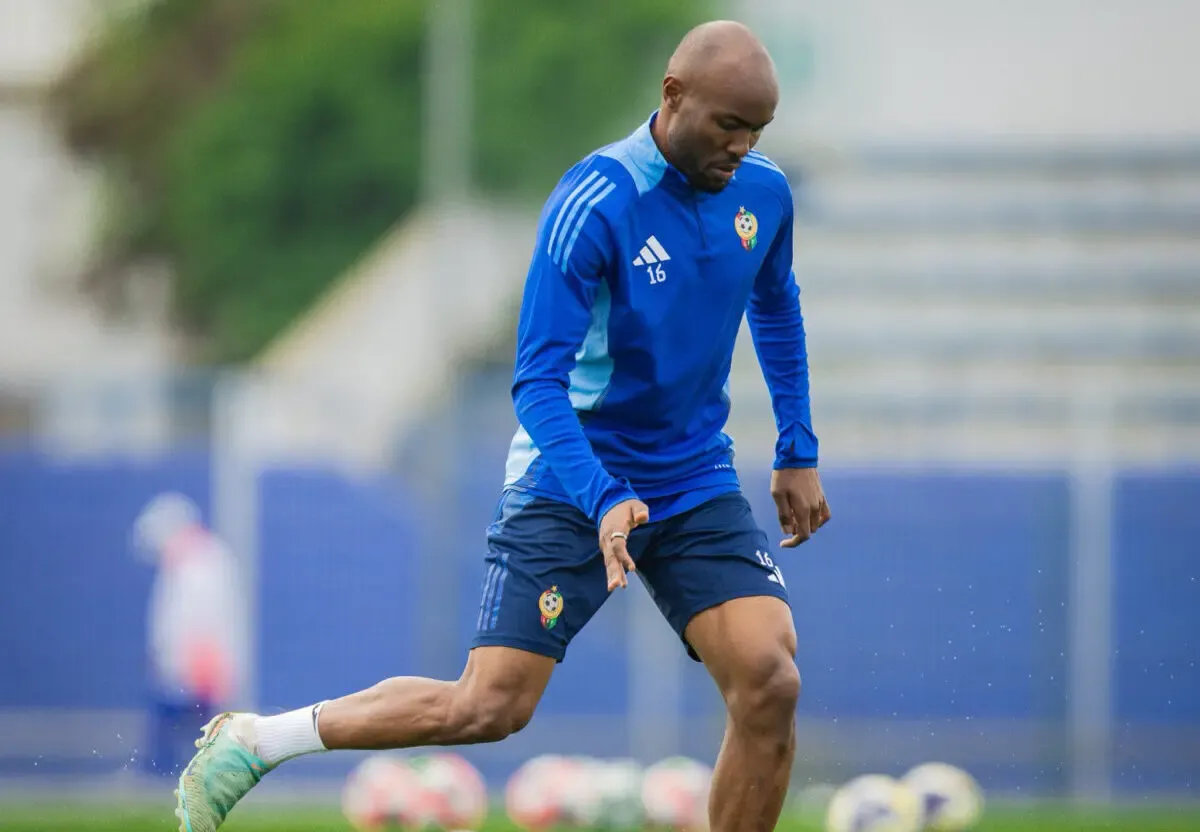

Libyan National Team Begins Preparations in Morocco
The Libyan national football team, under the leadership of Senegalese coach Aliou Cissé, has embarked on a pivotal training camp in Morocco as part of their preparations during the international break in March 2026. This initiative aims to reshape the team's identity and equip them for upcoming continental challenges.
Training Camp Details: Objectives and Friendlies
The coaching staff has chosen Morocco as the location for their preparatory activities, gathering all players for a series of training sessions that lead into the core phase of the camp. This structured approach demonstrates the coaching team's desire to accurately assess the players' physical and technical conditions before facing external competition.
During this training camp, the team will engage in two friendly matches against Niger and Liberia. These fixtures are scheduled in alignment with the international football calendar, providing the coaching staff an opportunity to evaluate player readiness and implement new tactical concepts.
This camp is more than just a preparation phase; it marks the beginning of a new technical project. Coach Cissé is focused on:
- Rebuilding the tactical identity of the team
- Enhancing physical intensity and discipline on the field
- Creating a balanced mix of domestic and professional talent
- Preparing for the African Cup of Nations qualifiers in 2027
This comes in the wake of a challenging period for the team, having missed out on major tournaments in recent years. The inclusion of professional players from abroad indicates a strategic move to bolster the squad's quality, as the coaching staff aims to blend experienced players with emerging talents.
Cissé views this training camp as a significant starting point, especially since he has not previously had ample time to implement his strategies due to late contract arrangements. His clear objective is to restore the Libyan team to its rightful place in continental football and secure qualification for the African Cup of Nations after a prolonged absence.
The importance of this camp lies in its potential to serve as:
- The first genuine preparation under stable coaching leadership
- A testing ground for new players
- A platform to rectify past errors
- A practical assessment ahead of official qualifiers
The Moroccan camp is not merely a routine gathering; it signifies the commencement of an extensive rebuilding project led by a coaching staff with continental experience and a clear ambition to elevate the "Knights of the Mediterranean" back to their esteemed position in African football.
As reported by eanlibya.com.