
Introduction to Living Kidney Donation Outcomes
Kidney transplantation is recognized as the optimal intervention for end-stage kidney disease (ESKD), offering improved survival rates and quality of life compared to alternative treatments such as dialysis. Living donor kidney transplantation has been shown to provide superior outcomes compared to deceased donor transplants, particularly in older recipients, as highlighted by numerous European studies and meta-analyses. This understanding has fueled a significant increase in living kidney donation globally. Notably, the distribution of living donor transplants is uneven across the globe, with approximately 39% of kidney transplants carried out using living donors. This percentage can exceed 90% in certain developing nations, influenced by sociocultural dynamics and a scarcity of deceased donor organs. Despite the rising number of living donors, there are ongoing concerns regarding their long-term health, especially as the profiles of donors are increasingly older and have more comorbidities. Evidence suggests that the long-term complications associated with kidney donation are relatively low, with carefully selected donors experiencing overall survival rates comparable to those of the general population. The risk of developing end-stage kidney disease generally remains under 1% over a period of 15 years, although this risk is slightly higher when compared to non-donors. The most common complications reported include hypertension and microalbuminuria, with incidence rates that are notably influenced by factors such as age, body mass index (BMI), and baseline kidney function. The 2017 Kidney Disease: Improving Global Outcomes (KDIGO) guidelines stress the necessity for thorough donor evaluation, tailored risk assessments, and consistent post-donation follow-ups to safeguard donor health.
Study Overview and Findings
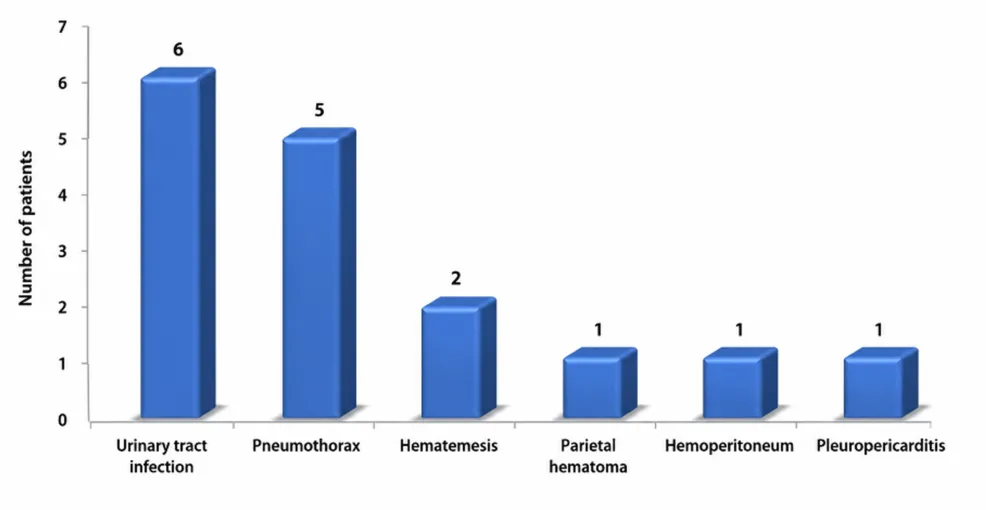
This study conducted at the Ibn Sina University Hospital Center in Rabat, Morocco, over a period of 26 years, aimed to evaluate the incidence of chronic kidney disease (CKD) and cardiovascular complications among living-related kidney donors (LRKD). The research included 154 LRKD who underwent nephrectomy for kidney donation between 1998 and 2024, adhering to the KDIGO eligibility criteria. The primary goal was to assess the incidence of CKD post-donation, while secondary objectives involved evaluating cardiovascular issues, particularly hypertension, and identifying risk factors associated with these outcomes. The analysis revealed that during the follow-up period, 24.6% of donors experienced infectious complications, with recurrent urinary tract infections being the most common, affecting 11% of the cohort. Hypertension was diagnosed in 11% of the participants, and CKD developed in 5.2% of the donors. Notably, a decline in estimated glomerular filtration rate (eGFR) below 60 mL/min/1.73 m² was observed in 5.2% of donors, yet none progressed to ESKD. The study found that advanced age and male sex were significant predictors of post-donation CKD, with a compelling need for tailored, long-term medical follow-up for LRKD to mitigate late complications. The findings also highlighted that women donors reported six full-term pregnancies without any maternal or fetal complications, further emphasizing the potential for healthy post-donation lives.
As reported by cureus.com.