Mali's Support for Moroccan Autonomy Plan
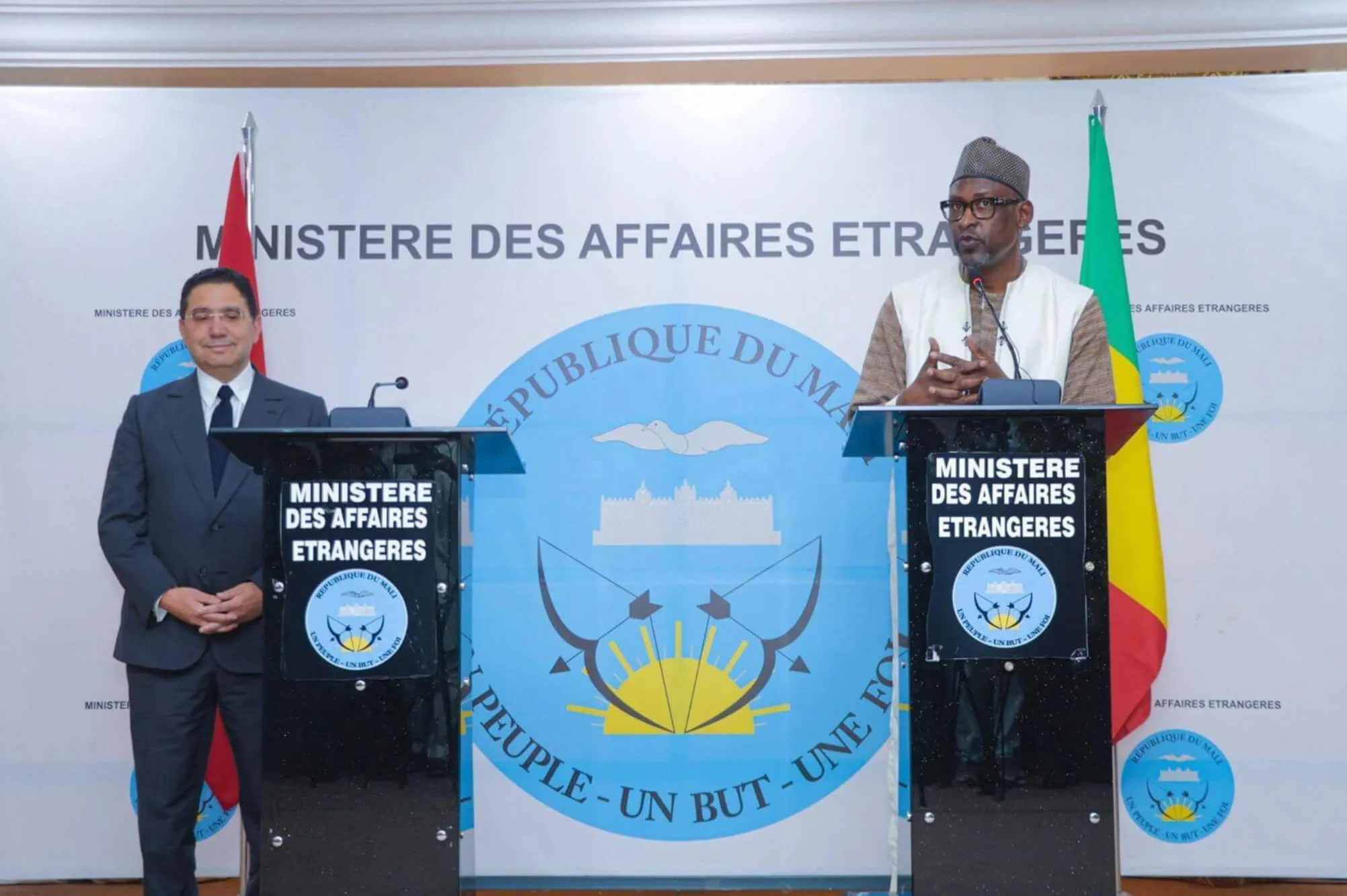
On April 10, Malian Foreign Minister Abdoulaye Diop declared that Morocco's autonomy plan represents "the only serious, credible, and lasting basis" for resolving the Western Sahara conflict. This plan aims to bypass a self-determination referendum, instead offering a limited regional governance framework that remains subordinate to Moroccan sovereignty, with essential powers such as national defense and foreign policy retained by the Moroccan state.
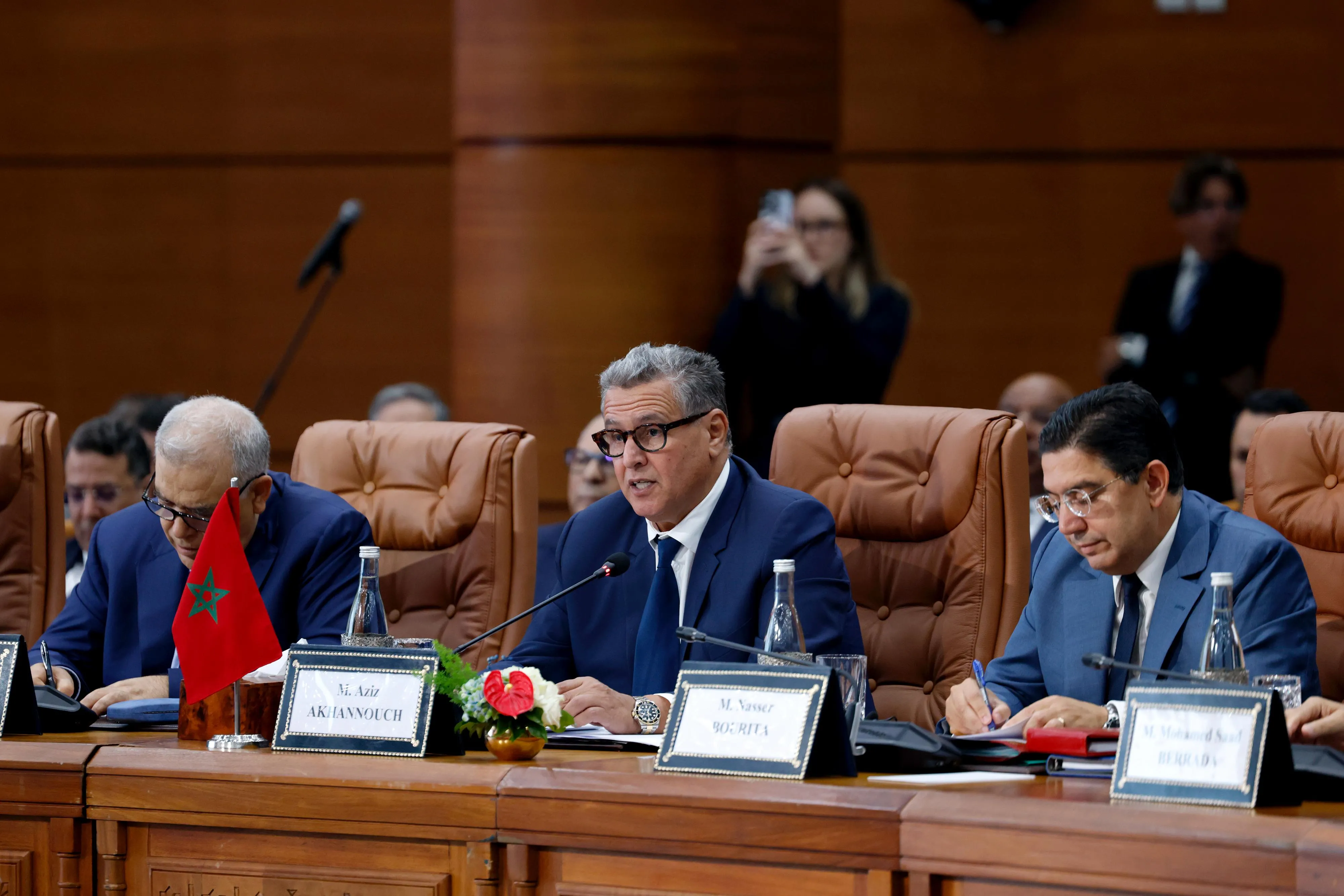
This significant announcement marks the end of Mali's recognition of the Sahrawi Arab Democratic Republic (SADR), a policy that has been in place for over 45 years since the initial recognition of the Sahrawi government-in-exile in July 1980. The timing of this historic decision coincides with an official visit from Nasser Bourita, Morocco's Foreign Minister, and is emblematic of Morocco's strategic push to enhance its foreign policy within the Sahel region.
Deteriorating Relations and Diplomatic Maneuvers
The diplomatic offensive by Morocco seeks to capitalize on the declining relations between Algeria—SADR's principal ally—and the Sahel nations. This rift has deepened with the rise of military juntas in several regional governments and their gradual integration through the formation of the Sahel States Alliance (AES). Notably, this diplomatic shift occurs despite the considerable influence of Russia, traditionally an ally of Algeria, particularly in Mali, where Russian military presence is significant through what are known as Africa Corps. This development suggests a potential recalibration of Moscow's stance on the Western Sahara issue.
For Rabat, this constitutes a diplomatic triumph, as it has garnered increasing support for its territorial autonomy proposal in recent years. The endorsement of this plan gained momentum following the United States' recognition of Moroccan sovereignty over Western Sahara in 2020, prompting several key players, both in the European Union and Africa, including Ghana, Kenya, and Burkina Faso, to align with this direction.
The timing of Mali's shift is particularly crucial, as it follows a meeting in early February 2026 involving delegations from the Polisario Front, Algeria, Mauritania, and Morocco at the U.S. Embassy in Madrid. This meeting initiated the first direct talks between the parties since 2019, mediated by the United States, aiming to leverage what they perceive as a favorable diplomatic moment. Among their recent achievements is the United Nations Security Council Resolution 2797, adopted in October 2025, which positions Morocco's autonomy plan as a foundational basis for conflict resolution rather than merely one of several options.
Nevertheless, significant progress in negotiations remains elusive. The Polisario Front and Algeria continue to firmly advocate for the Sahrawi people's right to self-determination, insisting on a referendum that includes the possibility of establishing an independent state. Currently, the negotiation process is stalled, exacerbated by the widening gap between the two perspectives and the ongoing conflict in Iran, which has attracted the attention and resources of the United States.
As reported by descifrandolaguerra.es.