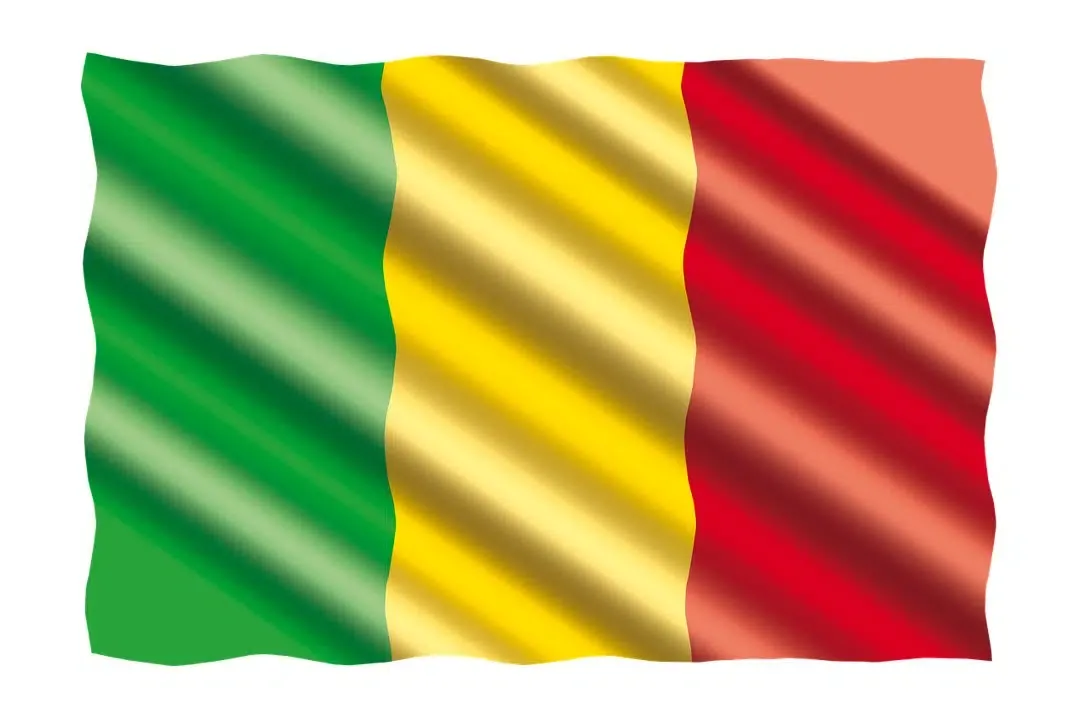

Significant Diplomatic Shift in North and West Africa
In a noteworthy geopolitical development, the Republic of Mali has officially retracted its diplomatic recognition of the "Democratic Arab Republic of Sahara" (DARS), the political representation of the Frente Polisario, effective immediately as of April 10, 2026. This pivotal decision marks a significant shift in Mali's position regarding the Western Sahara issue, aligning it more closely with the Kingdom of Morocco. The announcement was made during a visit by Moroccan Foreign Minister Nasser Bourita to Mali's capital, Bamako. According to the Moroccan news agency MAP, this move results from a "thorough analysis" of the Western Sahara situation, with Mali's Foreign Minister Abdoulaye Diop emphasizing that the stability and security of the sub-region were key factors in this decision.
Mali's New Position on Western Sahara
Having recognized the DARS as early as 1980, Mali's recent diplomatic pivot signifies a break from decades of close ties with Algeria. The Malian government now views the Western Sahara issue in a manner that gives greater consideration to Morocco's territorial integrity. A crucial element of this newfound stance is Mali's explicit support for Morocco's autonomy plan, which the government describes as the "only serious and credible basis" for a lasting resolution to the conflict. This endorsement aligns with the argument that genuine autonomy under Moroccan sovereignty represents the "most realistic solution" to the ongoing dispute.
This diplomatic rapprochement is also underpinned by recent international developments, highlighted by Foreign Minister Diop's reference to UN Security Council Resolution 2797, adopted on October 31, 2025. This reference underscores Bamako's commitment to grounding its new position within the framework of international law as articulated by the United Nations, while simultaneously supporting the efforts of the UN Secretary-General.
The backdrop to this diplomatic shift is complex, involving a web of regional tensions and emerging partnerships. In recent months, relations between Mali and its northern neighbor Algeria, the traditional main supporter of the Frente Polisario, have significantly deteriorated. Mali accuses Algeria of interfering in its internal affairs, prompting the search for new strategic allies. Concurrently, the "Atlantic Initiative" initiated by King Mohammed VI is gaining traction. This initiative aims to provide landlocked Sahel countries, including Mali, Niger, and Burkina Faso, with direct access to the Atlantic Ocean via Moroccan territory. For Mali, enhanced cooperation with Morocco thus offers tangible economic advantages and an alternative to its previous reliance on Algerian or West African trade routes.
The decision from Bamako will now be officially communicated to regional and international organizations. For the Maghreb region, this implies further isolation for the Frente Polisario and a reinforcement of Moroccan diplomacy, which has consistently worked to gain support from African nations for its position. Whether this move will trigger a chain reaction within the Sahel States Alliance (AES) remains a central question for political stability in 2026.
As reported by maghreb-post.de.