Marca Raises Doubts About Senegal's Appeal Against CAF Decision
In a recent article published by the Spanish newspaper Marca, insights from international legal expert Romain Bizini were shared concerning the ongoing legal battle involving the Confederation of African Football (CAF) and the Court of Arbitration for Sport (CAS). The discourse centered on Senegal's appeal, aiming to overturn the decision that stripped them of the African title, which was subsequently awarded to Morocco by CAF. This situation remains a complex legal saga that has captivated the attention of football fans and analysts alike.
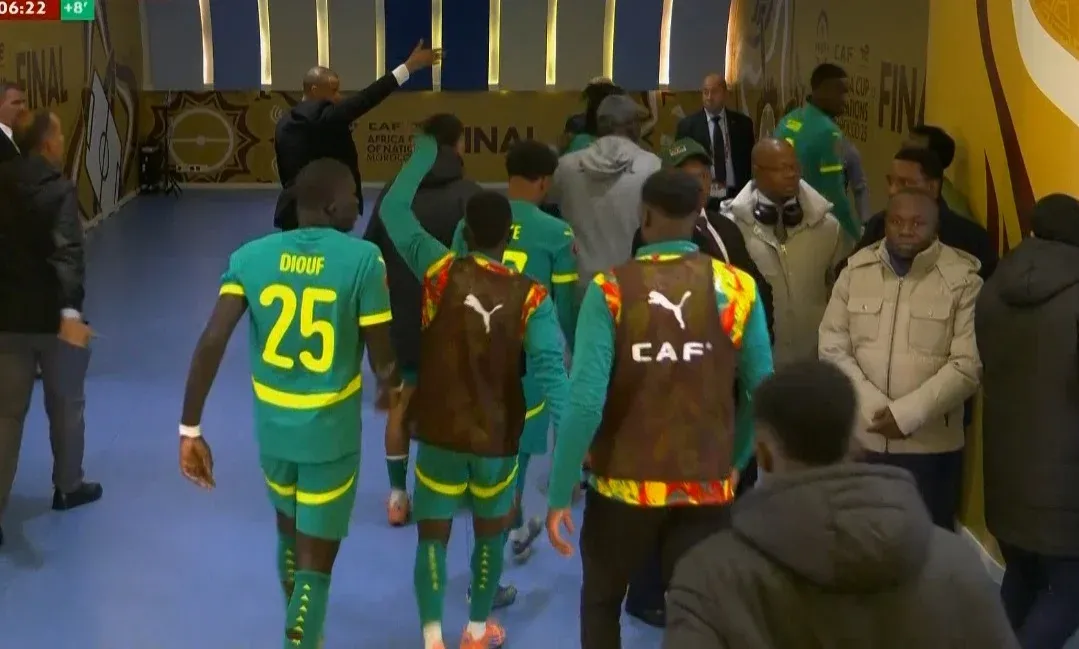
The legal proceedings began after Morocco was declared the champion of the latest Africa Cup of Nations, following a controversial 3-0 administrative decision against Senegal, who was deemed to have withdrawn from the final match. Senegal’s football federation has since sought a review of this decision in Lausanne, hoping to reverse the title loss. However, recent legal reports suggest that Senegal's position appears to be quite precarious.
In the interview, Bizini elaborated on the legal principles that informed CAF's decision. He noted that the ruling was based on violations of Articles 82 and 84 of the Africa Cup regulations, which state that if a team refuses to play or leaves the field without the referee’s permission, they are automatically considered losers and are disqualified from the tournament. The ruling committee concluded that Senegal had indeed refused to play and/or exited the field during the final without authorization, although the specifics surrounding the case and the committee's conclusions have not been made public.
When asked why the decision was issued two months after the final, Bizini explained that, as far as he is aware, CAF regulations do not specify a strict timeline for the committee to deliver its verdict. The only stipulated timeframe pertains to a six-month period for the initial investigation phase applicable to both the disciplinary committee and the appeals committee, as per Article 44 of CAF’s disciplinary code. Given the significant nature of this case, the appeals committee likely took the necessary time to hear from all involved parties and to issue a well-reasoned ruling.
Regarding Senegal's chances at CAS, Bizini expressed skepticism about their likelihood of success. He indicated that a strict interpretation of the legal text would likely lead the court to uphold CAF's decision. Although the rules do not explicitly cover a scenario where a team leaves the field without permission, the intent to penalize a team that refuses to resume play is clear. Senegal might argue that since the match continued with three players remaining on the field, they should not be entirely disqualified. However, according to Rule 3.1 of the Laws of the Game set by IFAB, a team must have at least seven players to continue a match.
In summary, as the legal drama unfolds, it casts a shadow over Senegal's hopes while simultaneously paving a clearer route for Morocco to affirm their continental championship title. The implications of this case extend beyond the teams involved, as it highlights the intricate legal frameworks governing international football.
As reported by akhbarona.com.