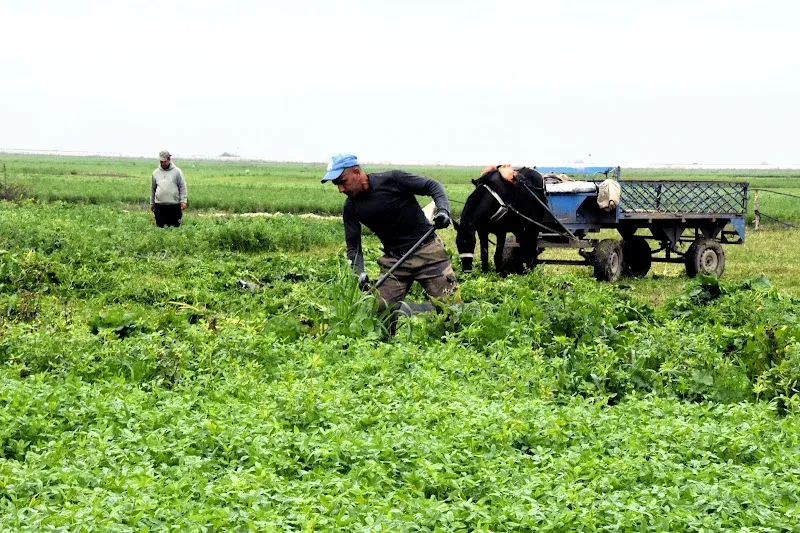
The Impact of March Rains on Moroccan Agriculture
The recent rainfall in the Casablanca-Settat region has brought a sense of relief and optimism to farmers, reigniting hopes for a fruitful agricultural season. After enduring years of drought and water scarcity, the much-needed 'March rains' have rejuvenated farmlands across various provinces. Following weeks of heavy showers, the skies have once again blessed the land with significant precipitation, marking a pivotal moment for the agricultural sector.
Farmers in the region believe that this month’s rainfall will have a substantial impact on a variety of crops, particularly in providing much-needed fodder for livestock after several years of scarcity. The significant precipitation has helped recharge the groundwater levels, revitalizing agricultural lands that have suffered from water stress in previous years. There is widespread hope among farmers that continued rainfall in the upcoming weeks will ensure a bountiful harvest, allowing them to forget the hardships faced during seven years of drought.
Osman Akal, a member of the Casablanca-Settat Agricultural Chamber, emphasized that the 'March rains' always bring great relief to farmers, as they occur at a crucial stage in crop growth, particularly for grains like wheat and barley. These rains play a vital role in supporting spring crops and enhancing groundwater levels, while also providing essential fodder for livestock.
Akal also highlighted the critical importance of March precipitation for the agricultural sector, noting that grains require abundant water during this period to improve yield and enhance the quality of production. Spring crops such as corn, vegetables, and fodder also demand sufficient water supply in their early growth stages, which the March rains can significantly contribute to, positively impacting production chains.
Hicham Dafir, an agricultural stakeholder from Settat, pointed out that the 'March rains' help strengthen groundwater reserves and fill dams, positively affecting irrigation activities. He noted that the continuation of these rains could help farmers forget the consecutive years of drought that Morocco has experienced. Furthermore, these rains are expected to improve pasture quality, directly benefiting the livestock sector by providing fodder and reducing feed costs for farmers.
Dafir mentioned that the March rains represent a critical opportunity to either save or enhance the agricultural season, making them a focal point of interest for farmers who find their psychological and emotional states improving with the regularity of these rains.
As reported by hespress.com.