Overcoming Adversity: María Aguilar Halak's Story
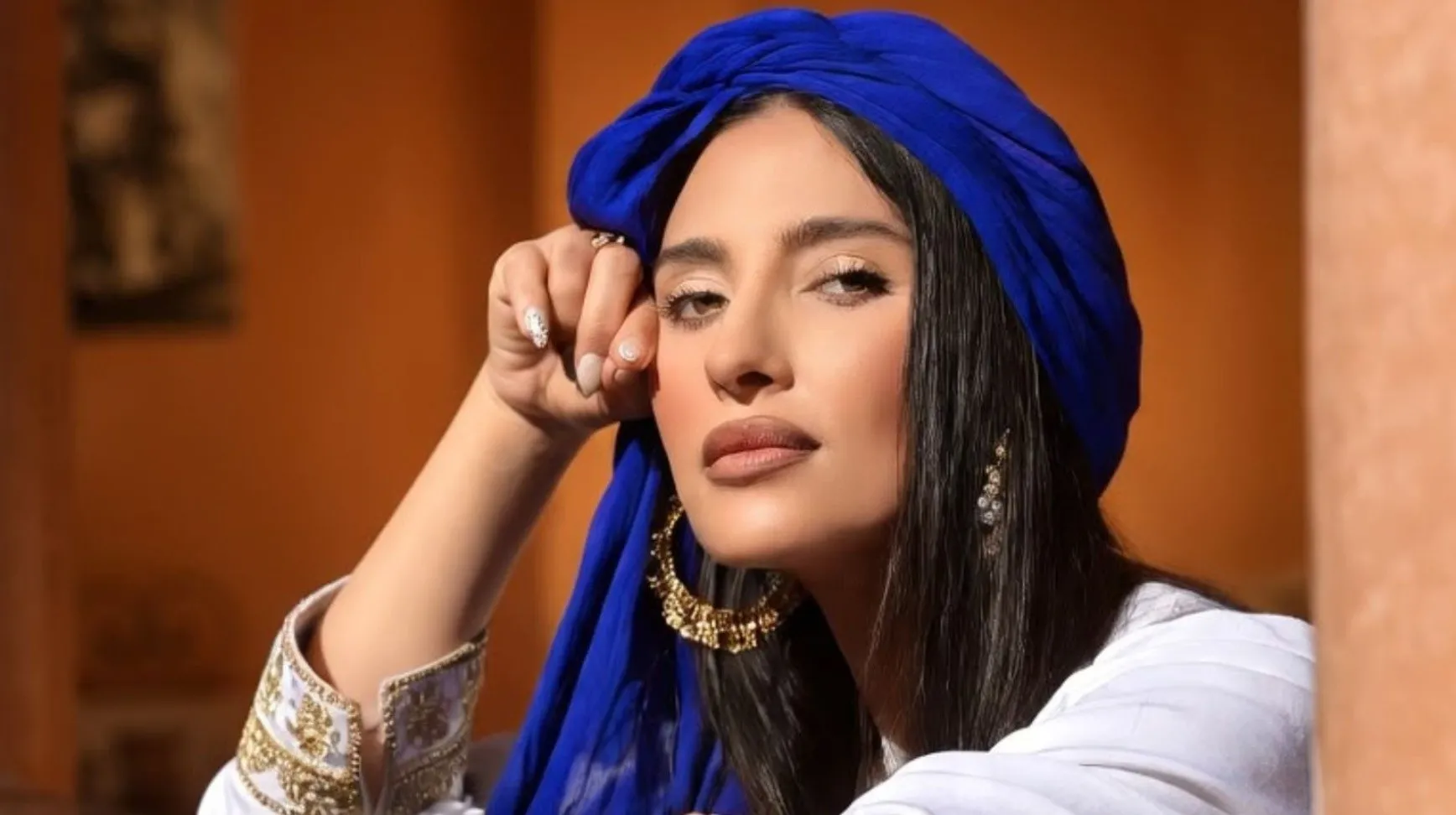
María Aguilar Halak, a 35-year-old dancer from Neuquén, Argentina, recently endured a harrowing experience of gender-based violence while living in Morocco, where she had been residing since March. After five challenging months, she bravely shared her ordeal on the show Tarde Viva (Radio Seis). Although she expressed relief that the situation has improved, she revealed that her legal case remains active and will continue even after her return to Neuquén. Halak's troubles began with a workplace accident that left her with severe lumbar disc issues, causing excruciating pain that hindered her ability to work. Despite her dedication, the dance company that employed her ceased payments due to her inability to perform, leaving her in a precarious situation.
A Betrayal of Trust
Amidst her struggles, Halak met a man who claimed to be a doctor, proposing marriage and a future together. Both Halak and the man shared a Muslim background, which influenced their relationship dynamics in accordance with Islamic law. Halak explained that under Sharia, traditional courtship practices differ significantly from those in Western cultures, often leading directly to marriage without a period of dating. Unfortunately, the relationship took a dark turn when the man not only deceived her but also subjected her to physical violence. Halak disclosed that she bore all the costs of their relationship until his abusive behavior escalated. To her shock, she discovered that he was not a doctor but a boxer who had even stolen money from her. Fearing deportation due to Moroccan laws governing foreign relationships, particularly those involving women, Halak initially hesitated to report the abuse. However, after enduring continued violence, she bravely approached the Moroccan police, who issued a restraining order against her aggressor. Despite this, the man persisted in his abusive behavior, leading to further legal actions against him.
Currently, the perpetrator faces charges of fraud, manipulation of a foreign citizen, and violence against women, with potential additional charges related to violations of Islamic law. In her reflections, Halak emphasized that her experience was not a reflection of Moroccan culture as a whole, asserting that the mistreatment she faced was a consequence of placing her trust in the wrong person. She highlighted that violent individuals exist in all societies, and such actions should not be attributed to the religion of Islam, which she practices. Halak expressed gratitude towards the numerous individuals who supported her during her ordeal in Morocco, including the Argentine embassy and the Ministry of Foreign Affairs. With her tickets secured for a return to Argentina, she looks forward to leaving this distressing chapter of her life behind.
As reported by bariloche2000.com.