Understanding the Arrest of Mehdi Black Wind
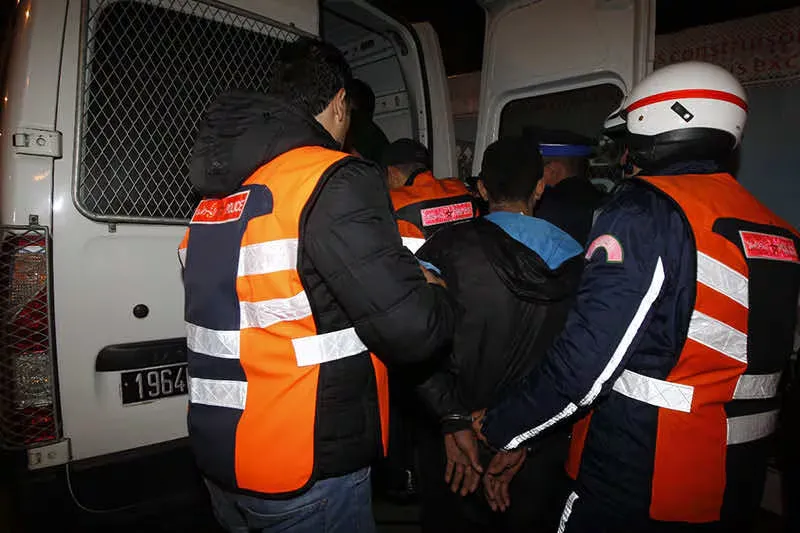
Recently, the Moroccan-French rapper Mehdi Lyoubi, known by his stage name "Mehdi Black Wind," was apprehended in Morocco, sparking widespread concern and speculation. While the circumstances surrounding his arrest remain somewhat ambiguous, it is widely believed that his detainment is linked to his politically charged lyrics and social media activity. Renowned journalist Reiner Wandler, who has been reporting from Spain and the Maghreb region for decades, sheds light on the troubling trend of state repression against artists and critical voices in Morocco.
The Broader Context of Repression in Morocco
According to Wandler, the Moroccan authorities have increasingly targeted artists, critical activists, and journalists who dare to challenge the status quo. He notes that while Morocco is arguably the most progressive nation in North Africa, it still falls short of being a truly free society. The arrest of artists and bloggers who cross what are considered "red lines" has become alarmingly common. Recently, the well-known journalist Ali Lmrabet was also detained upon entering Morocco, where he was presented with a staggering 700 pages of accusations before being released after three days. This incident underscores the precarious situation faced by those who speak out against government policies.
Wandler identifies three primary "red lines" in Moroccan society that can lead to severe consequences for those who cross them. The first is religion; for instance, the feminist activist Ibtissam Lachgar is serving a 30-month sentence for posting a selfie that proclaimed, "Allah is Lesbian," which authorities deemed an affront to religious beliefs. The second red line pertains to the monarchy, where any criticism of the king or the royal family can result in harsh penalties. Lastly, questioning Morocco's claims over Western Sahara, a territory occupied since the 1970s, can similarly lead to legal repercussions. This climate of fear stifles free expression and artistic creativity.
Despite the oppressive atmosphere, there are signs of resilience among the Moroccan populace. Following Mehdi Black Wind's arrest, a solidarity movement has emerged, fueled by his significant fan base and the presence of a well-established human rights and civil rights movement in the country. Wandler emphasizes that the situation in Morocco is not one of complete despair; rather, it reflects a complex landscape of challenges and resistance.
Looking toward the future, Wandler expresses cautious optimism regarding Morocco's trajectory. He notes that the past few decades have seen some degree of liberalization compared to the more repressive era under King Hassan II. While traditional values and the monarchy still exert considerable influence, there is a slow but ongoing process of improvement. With Morocco set to co-host the FIFA World Cup in four years alongside Spain and Portugal, there is hope that this event could catalyze further openness, positioning Morocco as a modern nation within the Arab world and on the African continent.
As reported by srf.ch.