
Exploring Themes of Loss and Aging in 'Calle Málaga'
Maryam Touzani, the acclaimed Moroccan director who gained international recognition with her thought-provoking film "The Blue of the Kaftan," is set to release her highly anticipated new project, "Calle Málaga." This film, which is expected to resonate deeply with audiences, delves into personal themes of loss, the celebration of aging, and the vibrant city of Tangier. Touzani's previous work, which portrays love, dignity, and quiet compromises within a traditional Moroccan society, made history as the most successful film in Morocco to date and was the first to represent the country on the Oscar shortlist in 2022, marking a significant milestone for North African cinema.
"Calle Málaga" is born out of an experience of profound grief. The writing process was initiated shortly after the unexpected death of Touzani's mother, who had traveled to Casablanca to care for her grandson while the filmmaker attended the U.S. premiere of her prior film in New York. This loss left Touzani emotionally shattered, leading her back to Tangier, a city tied to her mother's memories and the Spanish heritage cherished by her Andalusian grandmother. The film serves as a homage to the cultural tapestry of Tangier, filled with the cherished memories of family recipes, shared traditions, and the intimate connections that define a community.
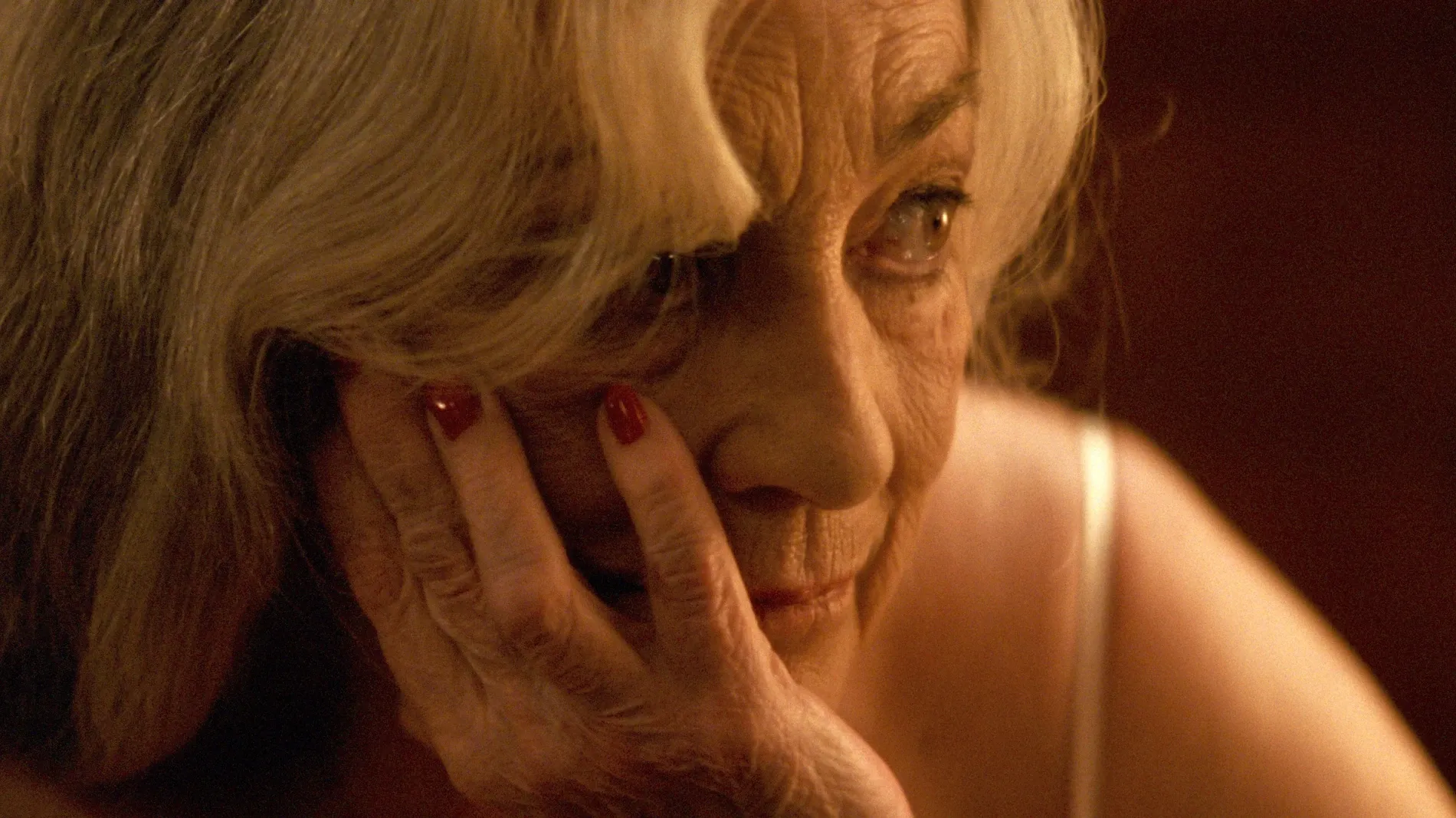
In "Calle Málaga," the street itself pulsates with life, as the film features real residents as extras, contributing to its authenticity. The narrative navigates contemporary Tangier while addressing longstanding themes of mother-daughter relationships and generational conflicts. A central focus of the film is society's perception of aging, confronting the tendency to hide the realities of growing older and the sensuality that comes with it. Through the character of María Ángeles, Touzani offers a refreshing perspective: aging is a privilege, and the wrinkles that etch our skin are symbols of the lives we have lived. For Touzani, the essence of aging well lies in the freedom to embrace one’s true self while accepting the changes that time brings, a notion that is often obscured, particularly in the film industry, where the representation of aging women remains scarce.
Redefining Belonging and Cultural Identity
In "Calle Málaga," the exploration of belonging is essential. Touzani reflects on what it means to truly feel at home, drawing from her Spanish grandmother's experience of adopting Morocco as her own. The film interrogates the essence of rootedness and how it manifests in personal spaces, possessions, and memories, as seen in the character of Carmen Maura. The narrative encapsulates the rich tapestry of Moroccan society, a land defined by its contrasts and diversity, where modernity coexists with tradition. This complexity is mirrored in the linguistic landscape, where the rapid rise of English challenges the historical dominance of French, once regarded as the language of the elite.
With "Calle Málaga," Touzani aims to spark dialogue around topics often left unaddressed in society. The film is a testament to the desire for connection and understanding, stemming from her background in journalism, where the pursuit of truth and the sharing of stories are paramount. The journey of creating this film reflects her commitment to expressing the nuances of life, the beauty of aging, and the importance of embracing one’s identity amidst shifting cultural landscapes. Through her compelling storytelling, Touzani invites audiences to celebrate life, acknowledge the passage of time, and find joy in the richness of their experiences.
As reported by faz.net.