
Masterflex Expands Its Strategy with New Production Facility in Morocco
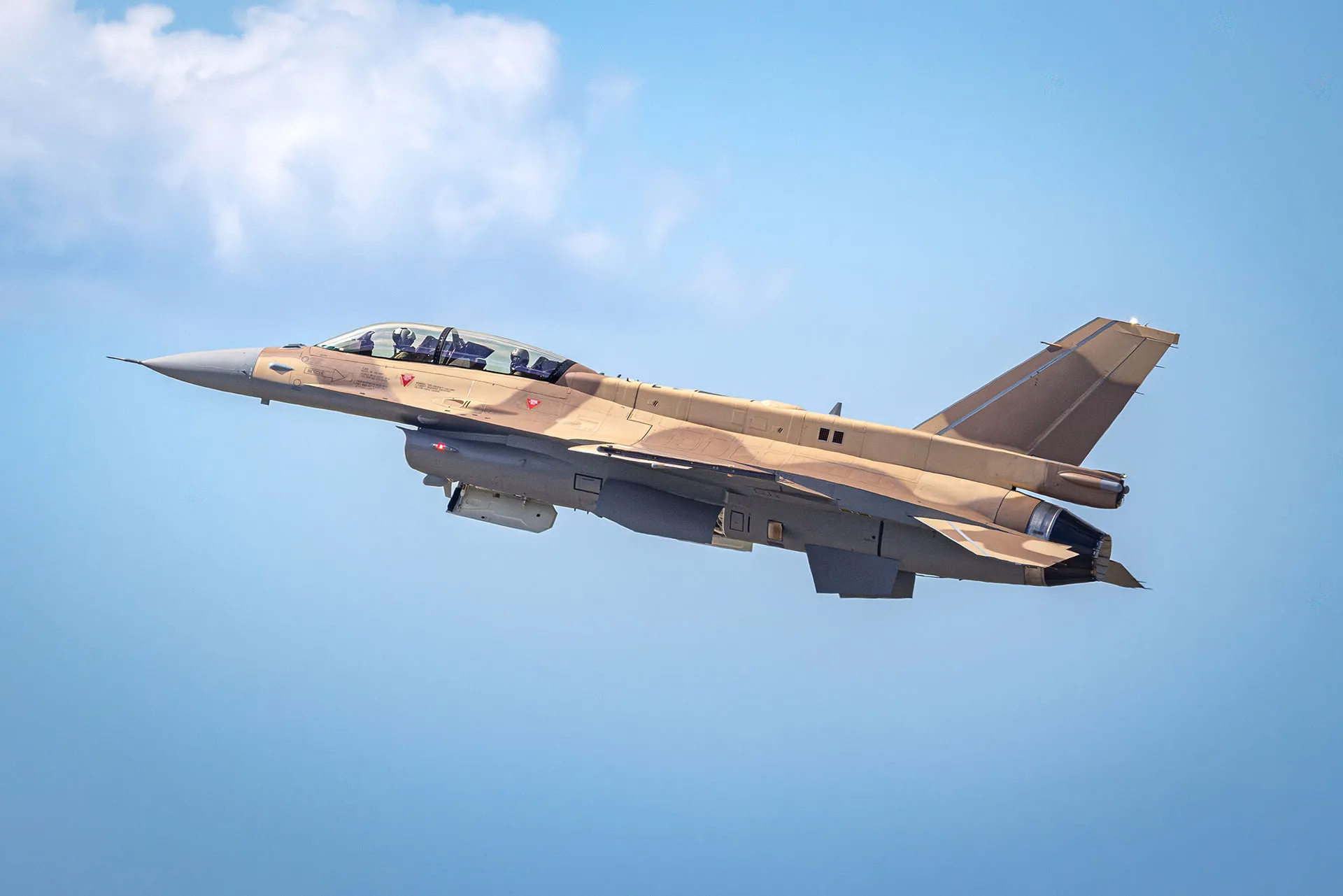
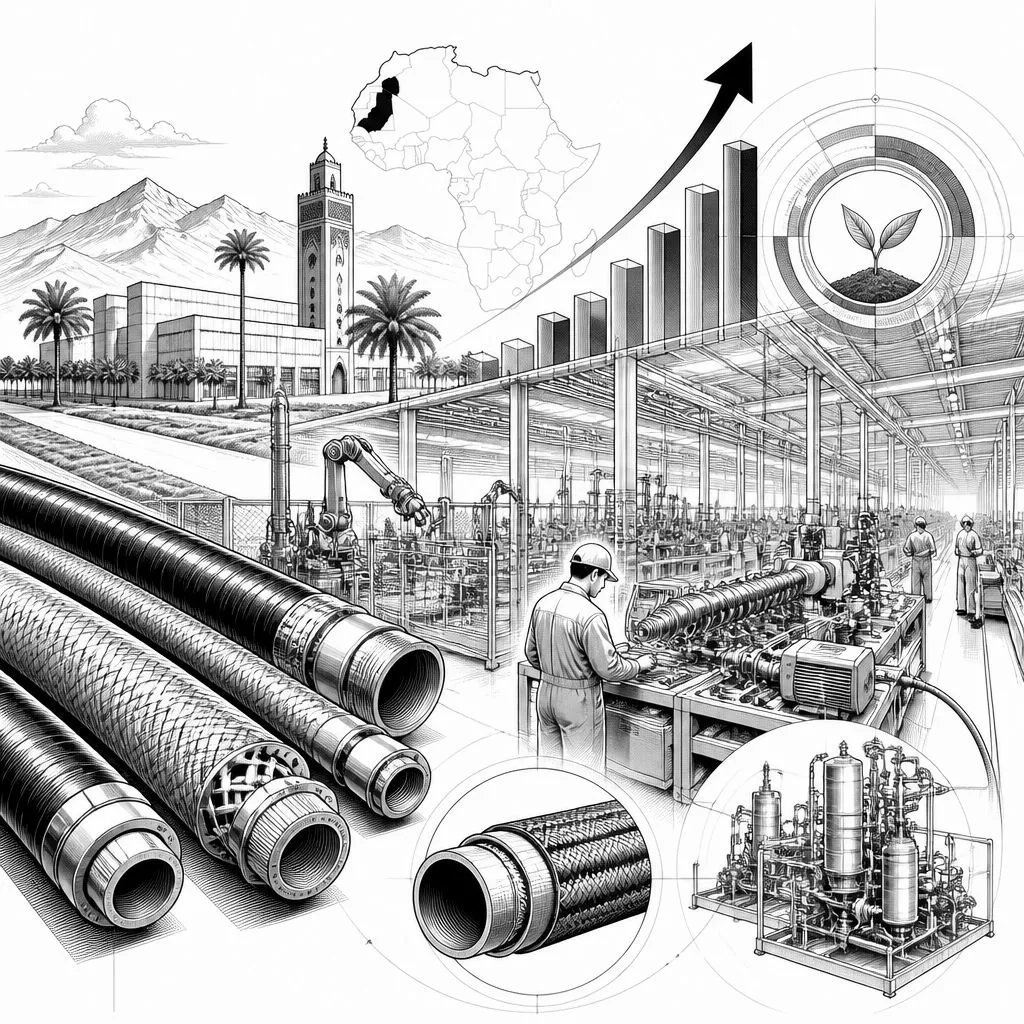
Masterflex is charting a new course by emphasizing margin-rich applications while accepting the pressures that come with new investments in North Africa. A key component of this strategy is a planned production facility for the aviation sector in Morocco, which is expected to generate significant revenues starting in the latter half of 2026. The focus here is on scalable manufacturing processes and resilient supply chains tailored for demanding industries. For investors and industry observers, the critical aspect will be how quickly operational profitability stabilizes despite the initial startup costs associated with these projects.
Shifting Towards Higher Value Creation
The upcoming growth phase for Masterflex is defined more by increasing value per unit than merely boosting output. Although short-term investments may initially burden the financial statement, the company has stated that it is increasingly prioritizing profitability, leveraging its focus on margin-rich applications. This strategy centers on hose and system solutions used in specialized value chains, particularly in sectors where quality, process stability, and regulatory requirements drive costs. This shift is noteworthy as many industrial investors are currently scrutinizing cash conversion and operational margins more closely than mere revenue projections.
In the first quarter of the fiscal year 2026, there was a reported trend towards improved operational profitability, even though revenues remained largely stable. This improvement is largely attributed to a focus on target applications categorized under the 'Life' segment, which includes process and system requirements in medical technology, pharmaceuticals, and food industries. Here, factors such as material selection, manufacturing depth, and the ability to clean and validate processes directly impact product quality. Conversely, the traditional industrial sector, dubbed 'Tech,' experienced occasional declines—an occurrence typical during cyclical demand phases, which the company aims to mitigate through diversification.
From a technical standpoint, the decision to establish new capacities in North Africa represents more than just a change of location. A production facility intended for aviation applications must be designed to ensure stable product parameters while maintaining high traceability. This involves robust quality controls throughout the production chain, a well-defined supplier qualification process, and effective logistics for components and semi-finished products. Industry counterparts in comparable environments often adhere to 'Industrial-Grade' standards, where cost factors are complemented by the ability to minimize manufacturing variances and ensure repeatable quality through standardized production phases. Competitive pressures from established manufacturers in hose and connection technology, such as Freudenberg, also serve as a benchmark.
Market-wise, Masterflex finds itself at a juncture where timing and expectation management are critical. The investment cycle incurs initial costs, while the benefits and revenue contributions typically emerge with a delay. Significant revenues from the Morocco project are anticipated for the latter half of 2026, a timeframe that is contingent upon certification and startup phases. Additionally, a framework agreement from the fiscal year 2025 is expected to contribute operationally only from late 2026 onwards. Industry analysts have emphasized that in such scenarios, the market primarily focuses on sustainable margin development: Can investments in capacity and process expertise genuinely translate into higher profits, or will they initially remain as mere expenses?
The stock's current trading environment, hovering near its 52-week high, reflects the ambivalence between optimism and caution. With a price level around 14.45 euros, Masterflex is only slightly below its highest value in the past twelve months. Notably, the Relative Strength Index (RSI) is in an overbought territory—this signal may suggest a potential short-term correction but does not provide insight into the fundamental trend. For strategically oriented observers, the speed at which operational metrics stabilize will be crucial. In companies with large industrial projects, valuation is often influenced less by individual quarters and more by the smoothing of the investment path over multiple reporting periods.
The outlook through 2030 sets clear parameters: the company aims to increase revenue to approximately 200 million euros through organic growth and targeted acquisitions under the 'Hero@Zero' strategy. This approach can be understood as a balance between internal scaling and external augmentation—focusing on product and application depth while simultaneously expanding capabilities or market segments through acquisitions. Additionally, the emphasis on international projects suggests that Masterflex is not only establishing new locations but is also positioning its supply and production logic on a global scale. For supply chain companies, this potentially means greater predictability and longer-term development cycles, provided the implementation of the Morocco facility and contractual contributions yield the expected demand and margins.
Another future aspect lies at the intersection of industrial production and safety/compliance issues. Particularly in 'Life' applications and regulated industries, data privacy and product safety are regarded not just as legal obligations but as integral to the engineering reality: traceability, documentation quality, and controlled data flows in production and quality assurance significantly influence risk exposure. Although the announcement primarily concerns the location and strategy, similar investments indirectly impact information security and organizational processes—such as when new facilities are connected, manufacturing data are consistently recorded across system boundaries, and audit requirements are met. This serves as an additional lever for competition: those who standardize and ensure audit compliance can sustainably differentiate themselves from smaller manufacturers.
In summary, the combination of a result-oriented focus, expansion into North Africa, and the delayed realization of revenues suggests a strategy that may be uncomfortable in the short term but aims for stability in the medium term. The crucial point in the upcoming quarters will be whether operational profitability can cushion the investment cycle and whether the production ramp-up in Morocco transitions into regular operations more swiftly than analysts anticipate. At the same time, the capital market remains sensitive to further signals from 'Life' and the recovery in the 'Tech' sector. If Masterflex can translate the planned contributions from the framework agreement and the new facility into predictable margins in a timely manner, the narrative could gain coherence beyond 2026. Otherwise, the stock is likely to be more influenced by sentiment until the achievement of the 2030 goals is visibly substantiated.
As reported by it-boltwise.de.