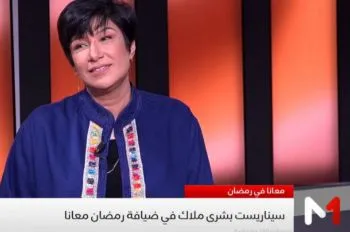

Meknes Faces a Dire Situation, Says Prominent Screenwriter
The Moroccan screenwriter Bushra Malak has sparked significant controversy following her remarks about the city of Meknes, describing it as "dying" during her appearance on the program "Ramadan with Us" aired by Medi1 TV. Her poignant comments have brought to light the pressing issues facing this historic city, known as the Ismaili capital.
During the show, amid a discussion led by the host Noufel Aouamra, who highlighted Meknes' rich history as a center for Sufism and Andalusian music, Malak expressed her deep sorrow at the current state of the city. She lamented, "It pains me to speak about the city where I was born, married, and worked, and to see it deteriorate day by day." She characterized the situation in Meknes as "strange," noting that it feels neither like a village nor a city, referencing the numerous potholes and inadequate street lighting plaguing various neighborhoods.
Despite Meknes' wealth of historical monuments and tourism potential, she criticized the city for failing to attract visitors, stating that tourists rarely stay even one night. This lack of engagement reflects a significant failure in promoting the city’s attractions.
Malak did not limit her critiques to local authorities; she extended her criticisms to the residents and intellectuals of Meknes, both within Morocco and abroad. She urged them to actively contribute to the city’s development instead of merely "mourning the ruins". She emphasized the importance of civic engagement in elections and encouraged citizens to vote for deserving candidates, underscoring that change is a collective responsibility.
The host reminisced about his past visit to Meknes during a theater festival, but Malak interrupted him to clarify that this festival is no longer held in the city, having been relocated to Tetouan. Her comments reignite a vital discussion concerning urban development in Meknes, particularly in light of similar grievances raised last year by a radio program crew, which led to an official backlash and a statement from the Meknes labor council and local government that labeled those remarks as derogatory and biased against elected officials.
As reported by meknespress.com.