Impact of Middle East Tensions on Fuel Prices in Morocco
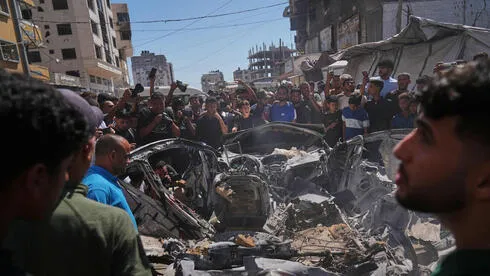
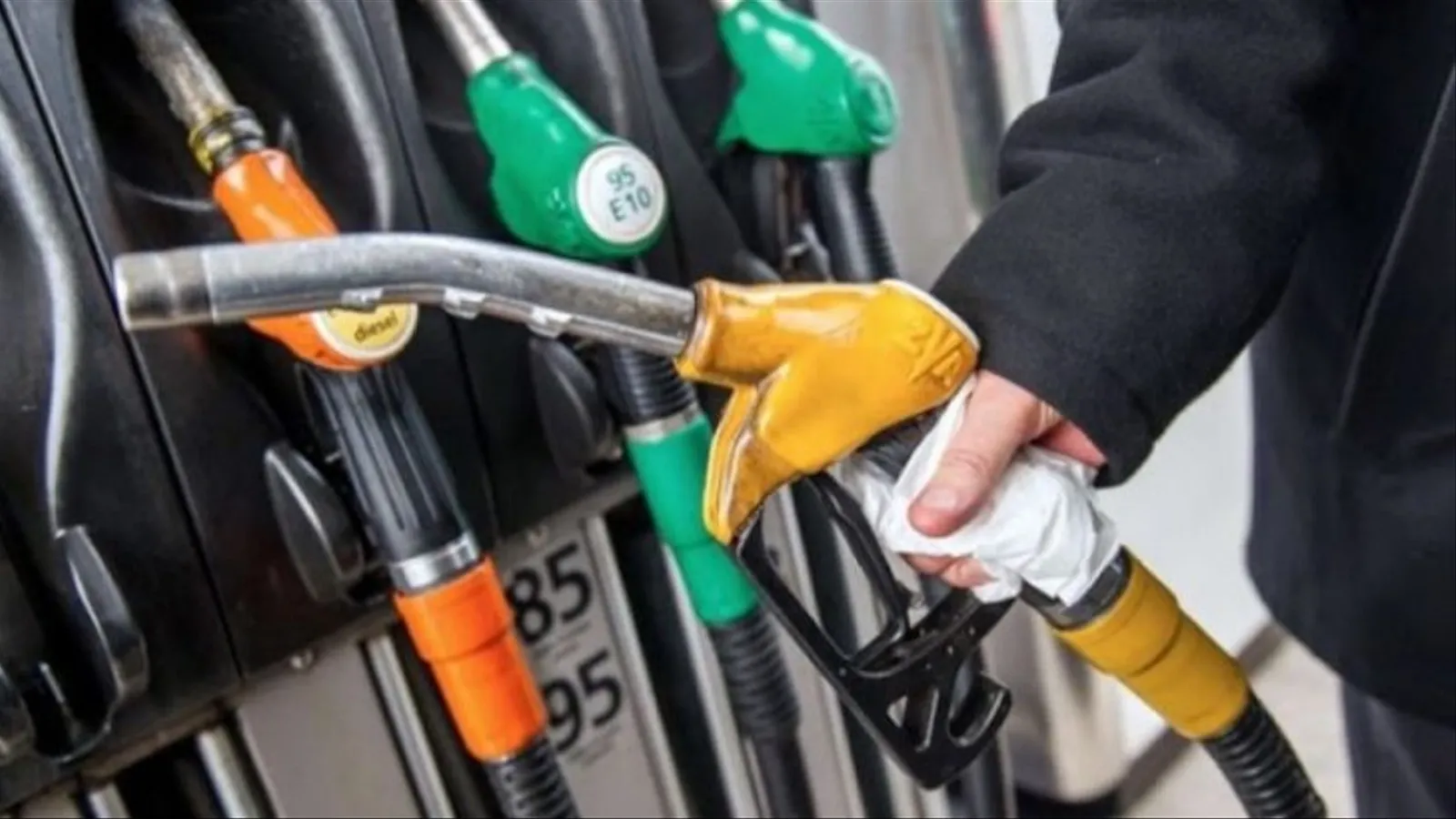
The recent escalation of military conflict in the Middle East, particularly following the outbreak of the American-Israeli war against Iran on February 28, has sent shockwaves through global oil markets. This military escalation has translated into heightened prices on energy exchanges, leading to increased fuel costs at gas stations and subsequently inflating transportation expenses, which will ultimately affect Moroccan consumers. Experts predict that the ramifications of these developments will be felt deeply across the nation’s economy as prices continue to rise.
According to energy expert and president of the National Front for the Rescue of the Moroccan Refinery, Hussein Yamani, fuel prices in Morocco are expected to rise significantly in the coming days due to the nation's reliance on international markets for its oil needs. Yamani elaborated in an interview with "Voice of Morocco" that the price of oil has surged beyond $90 per barrel on the international market, with diesel now costing around $1,100 per ton. He emphasized that Morocco is tied to the price of refined products rather than the barrel price itself, primarily because the country has ceased its refining operations.
Yamani draws parallels between the current situation and the conditions experienced during the Russian-Ukrainian conflict in 2022, predicting that the price per liter of diesel could soon surpass 15 dirhams. Such projections are alarming for consumers already grappling with the economic challenges posed by inflation and rising living costs.
Fuel Storage Regulations and National Consumption
In light of these developments, there are legal requirements stipulating that Morocco must maintain a minimum of three months' worth of petroleum reserves. Yamani, who also serves as the secretary-general of the National Union of Petroleum and Gas, pointed out that the International Energy Agency recommends that all countries keep sufficient reserves for 60 days under normal circumstances and for 90 days during times of unrest to prevent supply disruptions.
Notably, as of February 5, per statements from the Ministry of Energy Transition and Sustainable Development, Morocco's national petroleum stockpile stood at 614,000 tons. Given that the nation consumes approximately one million tons of petroleum monthly, this indicates a mere 18 days' worth of supply—far below the legal requirement. Yamani lamented that while regulations exist imposing penalties on companies failing to comply with the 60-day stock requirement, such penalties have never been enforced, leaving the state caught between the proverbial rock and a hard place.
In conclusion, the current geopolitical climate in the Middle East is creating a perfect storm for fuel prices in Morocco, and the government faces significant challenges in managing this crisis. With limited options available, the pressure on consumers is likely to escalate, underscoring the urgent need for strategic measures to address the impending fuel price hikes.
As reported by thevoice.ma.