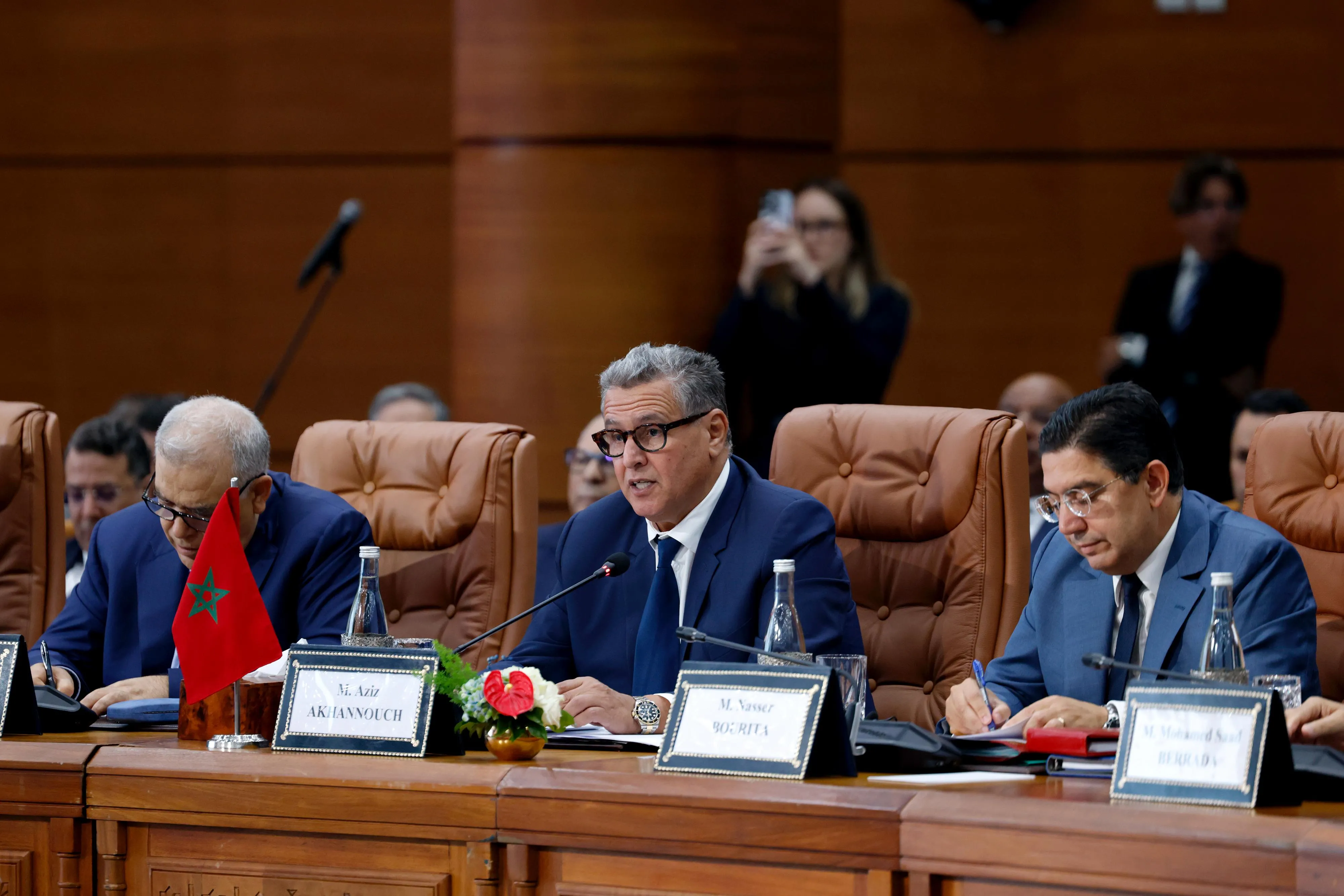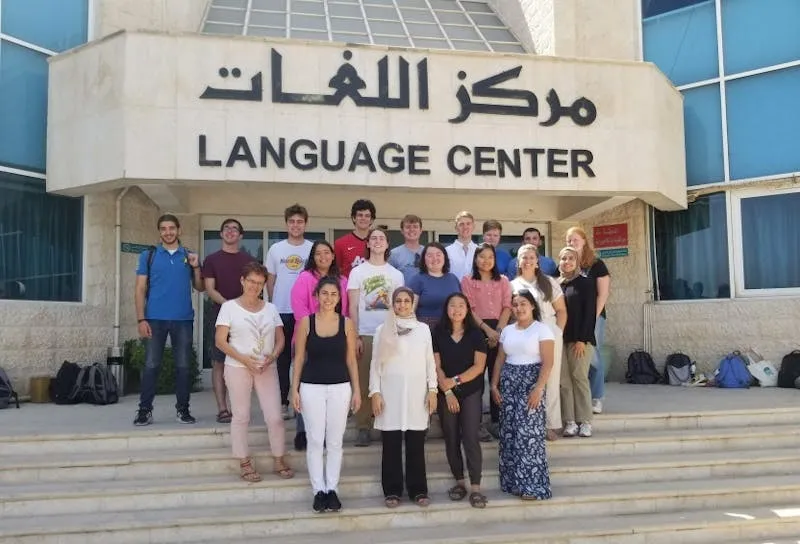
On March 2, Secretary of State Marco Rubio released a video message on X, previously known as Twitter, urging Americans residing in the Middle East to stay informed following the commencement of "Operation Epic Fury." As a direct result, the travel advisory for Jordan, which generally advises a level two warning of "exercise increased caution," was escalated to level three, indicating that travelers should "reconsider travel." This shift in advisory prompted Middlebury's Schools Abroad office to inform students in Amman, Jordan, the following morning that their program would be moved to Rabat, Morocco.
Bill Mayers, the assistant director of international programs, noted in an interview that the situation was somewhat perplexing because Rubio’s communication wasn't an official directive, leading to a bit of confusion among the students. Despite the absence of formal notification from the State Department, the college’s study abroad office opted to relocate students as a precautionary measure. By the evening of March 3, all seven students enrolled in the Jordan program were on their way to Morocco, where the Schools Abroad office had arranged housing for them.
Among these students, only one is currently enrolled at Middlebury. They will continue their studies through two content-based courses with their Jordanian professors via Zoom. Meanwhile, a residential coordinator in Morocco will take charge of the colloquial Arabic class, and the program director in Morocco will conduct the standard Arabic class. Notably, both the program director and the residential director at the Jordan school remain in Amman, ensuring continuity in support for the students.
Although civilian areas in Jordan have not experienced significant military action, Iran has targeted some of Jordan’s military infrastructure, designating Jordan as one of the U.S. partners currently under threat from Iran's activities. Consequently, the U.S. embassy in Iran has advised all "non-emergency" American citizens to depart the country at their earliest convenience. The Middlebury school in Jordan is unique in its focus on Levantine Arabic, a dialect spoken by over 60 million individuals in Syria, Jordan, Palestine, Lebanon, and Southern Turkey. While students will maintain their classes with Jordanian professors online, they will no longer reside in homestays where the dialect is predominantly spoken.
Alistair Nalle, a student who participated in the program last spring, expressed his preference for Levantine Arabic due to its compatibility with other dialects. He previously studied at the Amman Center for Human Rights Studies during the summer. The Middlebury School Abroad in Jordan was established in 2011, marking its operation for 15 years as of the fall 2025 semester. This program was initiated following the closure of Middlebury’s school in Alexandria, Egypt, which had been forced to shut down after the Arab Spring.
In light of the escalation of conflict following the October 7 attacks and the onset of the Gaza War, discussions within the Middlebury Schools Abroad administration began concerning potential contingency plans. As Mayers explained, Morocco was viewed as a potential refuge should the situation in Jordan deteriorate. The Moroccan institution assured that they would be ready to accommodate students from Jordan if necessary.
Nalle emphasized the warm hospitality he experienced in Jordan, challenging the often negative portrayals of the region in Western media. He remarked, "I think the Western media tends to illustrate that part of the world as a giant sand dune with constant issues, but it’s a lot safer than people think." This sentiment was echoed by Liam Morris, who noted that studying abroad in Jordan defied many preconceived notions he had about the Middle East, which were largely shaped by narratives surrounding 9/11 and radical terrorism.
While Jordan is predominantly Sunni Muslim, many students, including Morris, were placed with Christian host families. Morris recounted his experience living with a multigenerational Muslim family, contributing to their children's English learning and engaging in extensive conversations. He described Arabs as some of the most hospitable individuals globally, expressing gratitude for their efforts to enhance his experience. "I really felt like I was part of their family after, and I didn’t really expect that," Morris reflected.
The relocation to Morocco is anticipated to be temporary, with administrators planning to make decisions by early summer regarding the potential reopening of the Jordan program in the fall. If conditions do not stabilize, Morocco will serve as the alternative site for students. Ten students have already been admitted to the program for the upcoming fall semester, and if Jordan remains closed, they will have the option to study in Morocco instead. Mayers noted that while students were understandably discontent with the unexpected move, the college felt it could not in good conscience keep students in Jordan under the current circumstances.
As reported by middleburycampus.com.