
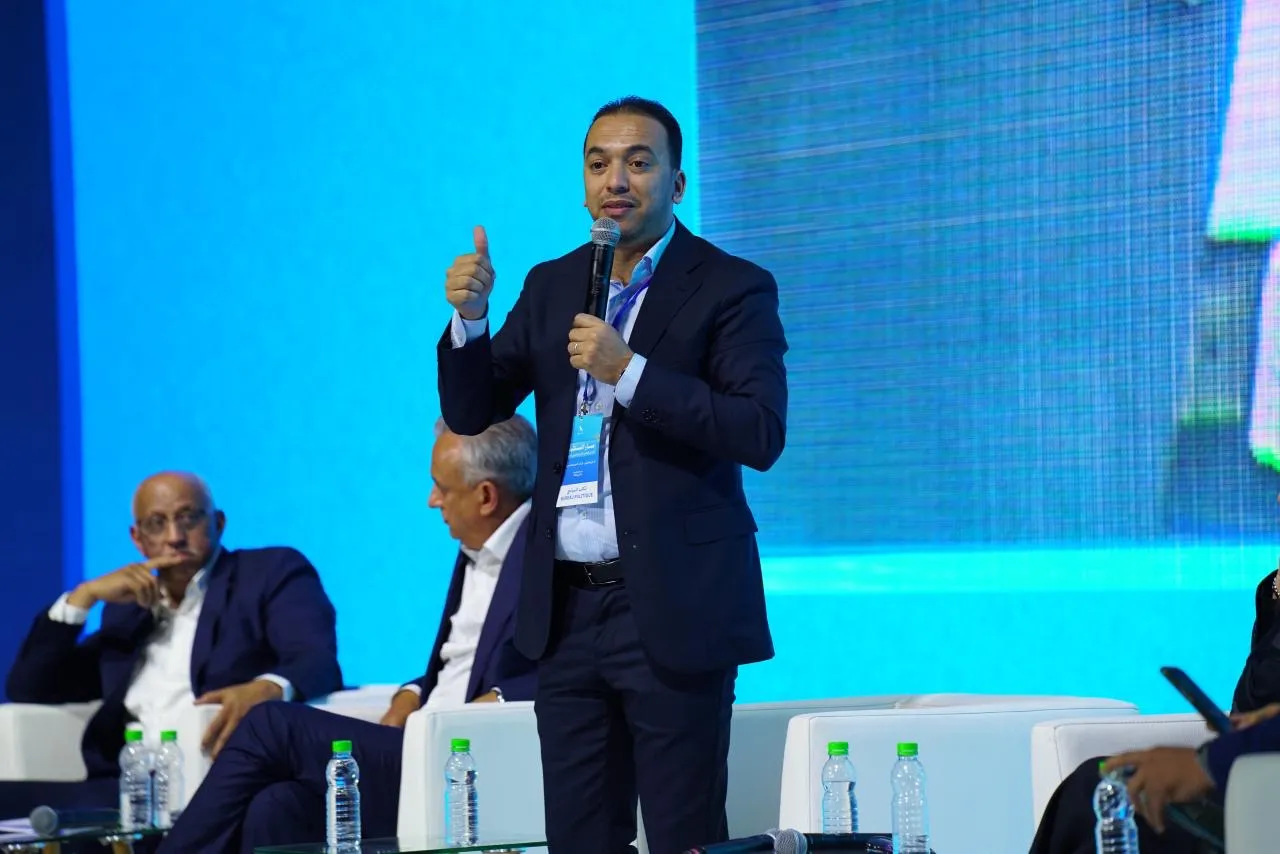

In a recent forum organized by the National Rally of Independents party, which focused on the future trajectory of national trade, Hassan Saadi, the Secretary of State for Handicrafts and Social Economy, addressed concerns regarding the prevalence of imported goods in historic cities such as Fes, Meknes, and Casablanca. During the event, he was questioned about the impact of these imports on local handicrafts, especially given that the ministry invests substantial resources to promote domestic products.
Saadi acknowledged the negative implications of this trend, highlighting that many traditional products sold in tourist areas and ancient cities are sourced from abroad at lower prices. However, he emphasized that the solution does not lie in mandating traders to sell only Moroccan products but rather in encouraging artisans through support and by providing them with access to raw materials necessary to create 100% Moroccan products that meet quality and competitive standards.
In his statements, Saadi outlined the ministry's efforts to facilitate the procurement of essential materials, such as wood and cedar, in collaboration with the Ministry of Agriculture and the National Agency for Water and Forests, as well as the mining sector. He also pointed out the significance of traditional Moroccan products like "tagine" and "balgha," noting that these items attract tourists due to their "certified" status. The ministry has already supported over 2,500 production units that have received certification, and they are working to integrate approximately 600 additional units. Furthermore, there is a 50% support for intellectual property registration expenses, alongside a budget of 2 billion dirhams allocated to artisans, aimed at ensuring that production remains within Morocco while preserving traditional Moroccan identity.
When asked about the measures in place to protect traditional industries from imitation—particularly regarding products like the balgha, which have seen replicas produced in China—Saadi confirmed that the ministry has implemented significant procedures to safeguard traditional crafts from counterfeiting, including increasing tariffs on imitated goods to deter their entry into the market.
Ultimately, the overarching goal is to enhance the competitiveness of Moroccan products by strengthening certification and quality markers, enabling consumers to distinguish between original and counterfeit items, thus protecting the identity of Moroccan products both domestically and internationally.
As reported by goud.ma.

