
The Legacy of a Quiet Political Force
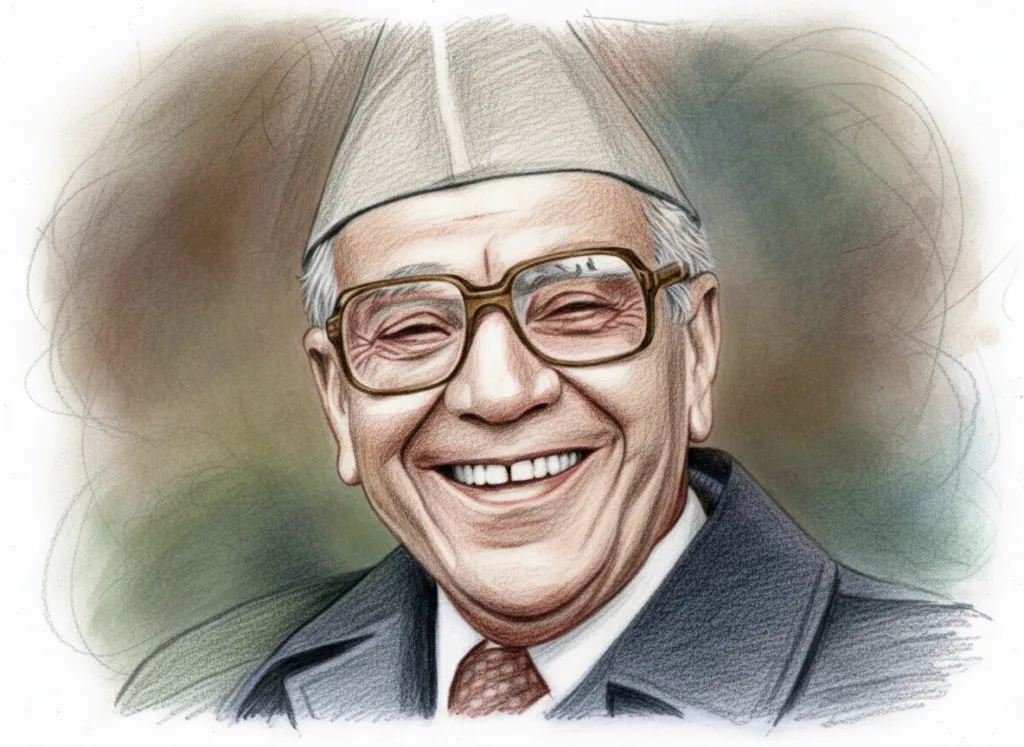
It is nearly impossible to discuss the political landscape of Morocco in the latter half of the 20th century without mentioning the name Mohamed Bousta, an eminent figure whose life exemplified the rigor of a lawyer, the resolve of a political activist, and the composure of a political balancer. For decades, he stood as a pillar of Moroccan politics and a prominent face within the Istiqlal Party, leading it for over twenty-five years with a unique approach rooted in wisdom and a carefully measured silence that spoke volumes.
Bousta was not a loud leader nor a populist orator; rather, he was an institutional man who understood the weight of words, the gravity of stances, and the necessity of truth-telling during critical moments. This earned him the moniker "the Silent Sage," aptly summarizing a political persona that preferred subtle influence over noise and contestation. His story is one of quiet strength and a steadfast commitment to the democratic process, even in the face of adversity.
As we explore the series "Shaking the Throne of Parliament," which showcases the impactful figures in Morocco's legislative history during Ramadan, Bousta's contributions stand out through his bold positions and significant initiatives that have shaped political discourse in the country.
From Marrakech to National Leadership
Born in 1925 in Marrakech, during a time of colonial rule, Bousta quickly immersed himself in national activism alongside the independence movement. He pursued his studies in law and philosophy at the prestigious Sorbonne University before returning to Morocco to practice law, where he established a firm that became a training ground for numerous lawyers and politicians.
His political journey was intricately linked to the national movement, marking the transition from political resistance to the establishment of a modern state. Joining the Istiqlal Party in the 1940s, he emerged as one of its most prominent leaders. In 1974, he took over as the party's secretary-general, succeeding the historical leader Allal El Fassi, and held this position until 1998, reflecting one of the longest tenures in Moroccan political leadership.
Bousta's tenure was marked by various ministerial roles during pivotal moments in Morocco's history, such as serving as Minister of Justice in the early 1960s and as Minister of Foreign Affairs from 1977 to 1983, among other governmental responsibilities. His diplomatic efforts were particularly significant during his time as Foreign Minister, where he traversed the globe advocating for national issues, especially the Western Sahara conflict, at a time when Moroccan diplomacy required credible and weighty political figures.
Despite his calm demeanor, Bousta emerged as a staunch defender of democratic values, often articulating strong stances against political interference by the Ministry of the Interior, particularly during the 1980s and 1990s when the political atmosphere was fraught with tension and repression. He did not raise his voice loudly, but his criticisms resonated strongly within the parliamentary arena, making him a key figure of institutional opposition during a time when dissent was often stifled.
Even after his retirement from active political life, Bousta's influence did not wane. He remained a respected political reference both within and outside the Istiqlal Party, continuing to engage in political discourse and advocating for democratic integrity. He was notably appointed to lead the committee revising the family code, a role that required a figure capable of bridging divides between conservative and progressive factions. His leadership in this sensitive task culminated in the establishment of the family code in 2004, marking a significant legal reform in Morocco.
Bousta's legacy is one of quiet reformism, where he skillfully navigated the complexities of Moroccan politics without resorting to populism or radical opposition. His commitment to national interests, even when facing the power of authority, exemplified a political career devoted to the betterment of Morocco.
He passed away in 2017, leaving behind a model of political engagement that emphasized integrity, quiet resolve, and the importance of institutional fidelity in the quest for progress. Bousta’s life story is interwoven with the narrative of modern Morocco, illustrating the impact of a man who, though silent, made a resounding mark on his nation's political landscape.
As reported by madar21.com.