
Moroccan artisans residing in Tunisia are facing significant challenges that hinder their ability to complete their production processes. With increasing costs and unfavorable market conditions, these skilled craftsmen are often left with no choice but to sell their unfinished products to local companies. These companies then rebrand and market these items as authentic Tunisian goods, stripping the original artisans of their rightful recognition and control over their creations.
One such artisan, Abdellah El Jawhari, who specializes in ceramics, expressed the difficulties imposed by the current economic climate. The soaring prices of raw materials have made it nearly impossible for many craftsmen to fund the complete production cycles independently. Consequently, many artisans find themselves unable to finish their work and are compelled to sell their creations prematurely to Tunisian firms, which then place their own labels on these products, thus misrepresenting their origins.
This dire situation has led to a troubling trend where some Moroccan artisans have chosen to return to their homeland, while others, bound by family commitments such as marriage and children, continue to remain in Tunisia despite the deteriorating business landscape. Abdellah El Ghafi, the president of the Association for the Advancement of the Moroccan Community in Tunisia, emphasized the need for these artisans to be acknowledged as integral members of Morocco's broader handicraft sector. He pointed out that many of these craftsmen aspire to leverage the momentum generated by recent initiatives in Morocco's handicraft industry, which include training and support programs initiated by public authorities.
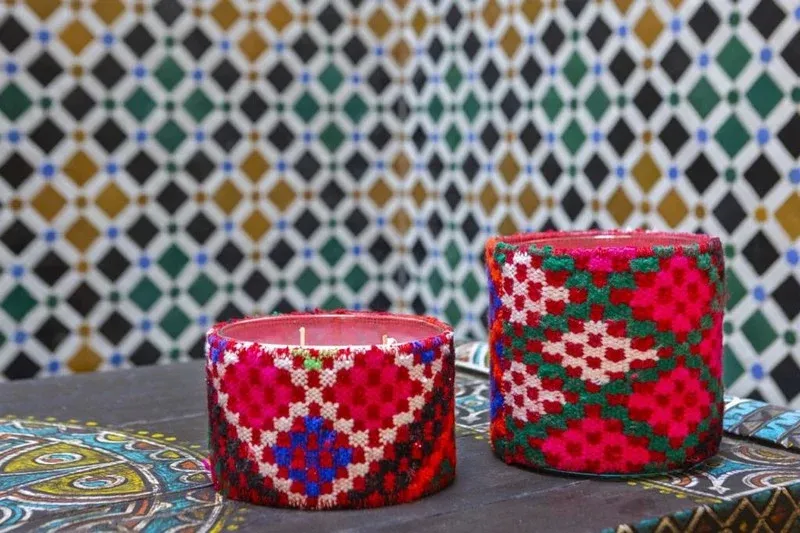
El Ghafi further highlighted that Moroccan crafts, encompassing a diverse range of artisanal skills such as zellige tile work, plaster craftsmanship, leather goods, sewing, and woodworking, are highly esteemed both in Tunisia and throughout the Maghreb region. However, he cautioned that without structured support, the growing recognition of these crafts may inadvertently benefit intermediaries more than the artisans themselves. He advocated for stronger partnerships between Moroccan and Tunisian stakeholders in the handicraft sector, arguing that such collaboration could lead to a more prominent role for handicrafts in bilateral trade, which currently amounts to approximately 930 million Tunisian dinars.
As reported by en.hespress.com.