Unprecedented Circumstances for Café Owners
The upcoming 2026 World Cup is set to commence under exceptional conditions for Moroccan café proprietors, who are grappling with a tournament that presents unprecedented challenges. With matches scheduled for late-night hours and uncertainties surrounding operational schedules, many café owners are tempering their preparations, despite the palpable excitement for the Atlas Lions. The tournament, the first of its kind to be hosted across three nations, will unfold across time zones that differ significantly from Morocco, ranging from six to nine hours behind.
This considerable time difference poses a substantial challenge for Moroccan café owners. Noureddine El Harrak, the president of the National Federation of Café and Restaurant Owners of Morocco (FNPCR), expressed his concerns, stating, "We usually rely on major sporting events to help revive the sector, but unfortunately that will not really be the case for this World Cup." The scheduling of matches is particularly problematic, with many games taking place in the early hours of the morning. El Harrak pointed out, "We’re talking about 3 a.m. or even 5 a.m. Moroccan time," which complicates matters for both café owners and their employees.
Adapting to New Realities
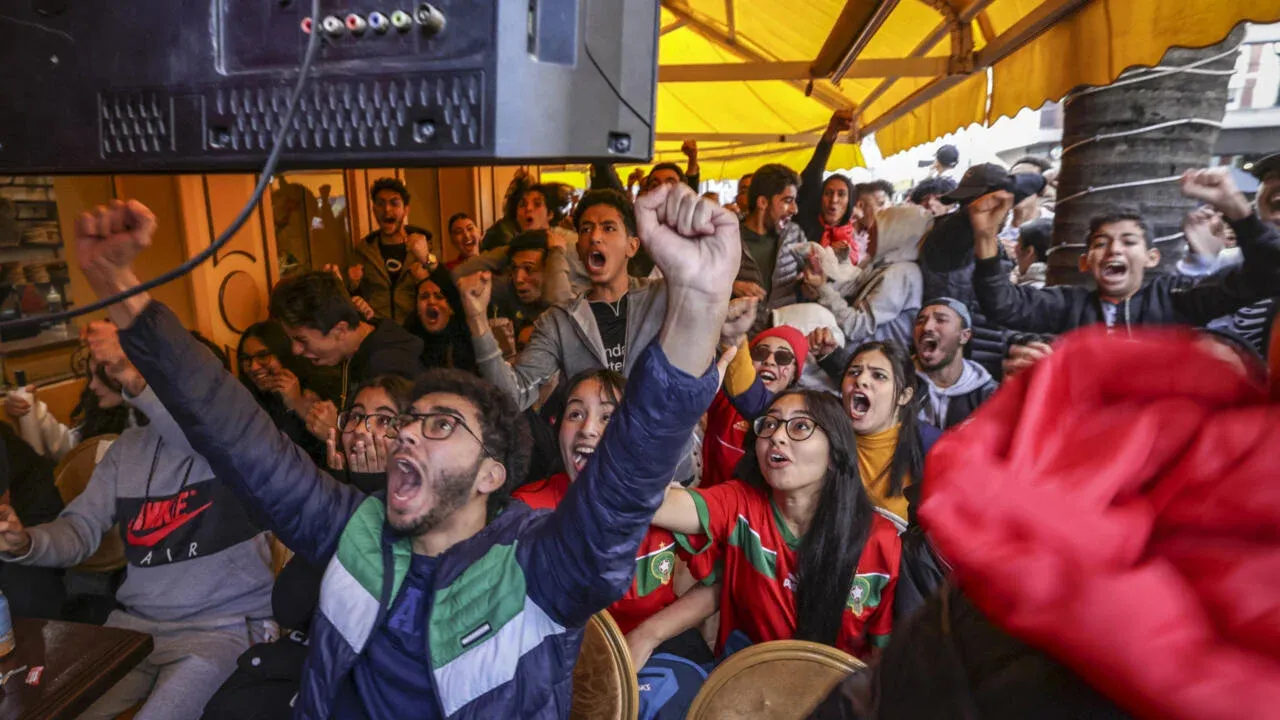
The difficulties extend beyond the late match timings; they also encompass the general opening hours of cafés and restaurants. At present, El Harrak noted that no official guidelines have been issued by local authorities. However, he mentioned that there appears to be an implied approval for cafés to extend their hours. Discussions between local officials and various branches of the federation have encouraged café owners to broadcast World Cup matches and remain open into the night. Fortunately, Morocco's three group-stage matches are scheduled at more favorable times, starting at 11 p.m. and concluding around 1 a.m., which will allow most cafés to accommodate these fixtures.
The noticeable shift in scheduling has also dampened the excitement typically associated with international tournaments. El Harrak lamented, "In previous editions, café owners would decorate their establishments, purchase new televisions, and make extensive preparations. This year, that is almost entirely absent, which shows just how much of an issue the scheduling has become." While there will be special menus and promotional offers for Morocco's group-stage matches, he believes that a successful performance by the Atlas Lions could rejuvenate the atmosphere among café owners and fans alike. "Football has a special place in people's hearts. If the Atlas Lions advance, cafés will stay open, even for matches played in the early hours of the morning," he declared.
El Harrak also emphasized the federation's stance against unjustified price hikes during major sporting events, asserting that such practices tarnish the celebratory spirit of the tournaments. Regarding broadcasting rights, he noted that most café owners will depend on paid subscriptions to beIN SPORTS, which include special World Cup packages. Nonetheless, he reassured supporters that Morocco's matches will also be available through the national broadcaster, ensuring that fans can enjoy the Atlas Lions' games widely.
As reported by en.yabiladi.com.