
Investment Facilitation for Moroccans Abroad
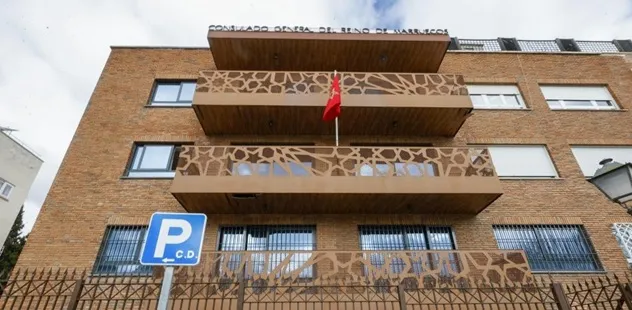
On a recent Friday evening in Madrid, a significant gathering focused on the financial mechanisms and facilitation available to Moroccans living abroad who are interested in investing in Morocco. This meeting, centered around the theme of "Financing and Supporting Investors from the Moroccan Diaspora," was organized by the Moroccan Consulate in Madrid in collaboration with Bank of Africa and the Spanish bank Caja Rural del Sur. It brought together Moroccan economic stakeholders residing in Spain, alongside representatives from both Moroccan and Spanish banking institutions.
During this event, participants explored the promising investment opportunities that Morocco presents, highlighting sectors with substantial potential. The discussions included the various support and financing mechanisms that the banking sector offers to assist Moroccans in realizing their investment projects. In his speech, Kamel Arifi, the Consul General of Morocco in Madrid, underscored the key incentives and facilitative measures that the Moroccan government has established to encourage its diaspora to invest back in their homeland.
He specifically mentioned the new investment charter, which serves as a cornerstone of the kingdom's current economic strategy, providing a comprehensive system of incentives and support aimed at enhancing the attractiveness of investment in Morocco. According to Arifi, this system offers financial support that can cover a significant portion of the total project costs, along with additional incentives for investments made in less developed regions to promote balanced territorial development. Furthermore, there is extra support targeted at strategic sectors such as industry, renewable energy, digital technologies, and tourism.
The Moroccan diplomat emphasized that Morocco not only provides financial incentives but also boasts a stable investment environment, world-class infrastructure, and free trade agreements that grant access to markets containing over a billion consumers. He affirmed that Morocco has established itself as an attractive and competitive investment destination on both regional and international levels, thanks to the structural reforms it has initiated and the stability it enjoys under the enlightened leadership of King Mohammed VI.
Representatives from the Bank of Africa highlighted the diverse opportunities available to investors, particularly in sectors such as real estate, industry, renewable energy, tourism, high-value agriculture, infrastructure, and modern technologies, including the digital economy. They also noted that the Moroccan community living abroad has evolved into a genuine economic force that transcends mere financial remittances, solidifying its role as a human and technological capital and a bridge to international markets.
In this context, they stressed the importance of mobilizing the Moroccan diaspora, which numbers over five million individuals, as a strategic lever for the kingdom's development. They pointed out that the joint organization of the 2030 World Cup represents a genuine opportunity to attract even more investments across various activities.
Moreover, the Moroccan banking sector, recognizing this dynamic, is proposing tailored financing solutions to meet the needs of Moroccans abroad, offering personal support at all stages of projects, simplifying administrative and banking procedures, and enhancing accessibility through international presence and local expertise. The ultimate goal is to make investments from the Moroccan diaspora feasible, secure, and profitable.
This economic gathering served as a platform for exchange and dialogue, enabling Moroccan entrepreneurs and talents residing in Spain to explore new investment horizons in key sectors such as industry, automotive manufacturing, renewable energy, and tourism, all aimed at strengthening the ties between the Moroccan diaspora and their home country while enhancing their contributions to national development.
As reported by madar21.com.