
Challenges Facing Moroccan Agriculture Amid Rising Costs
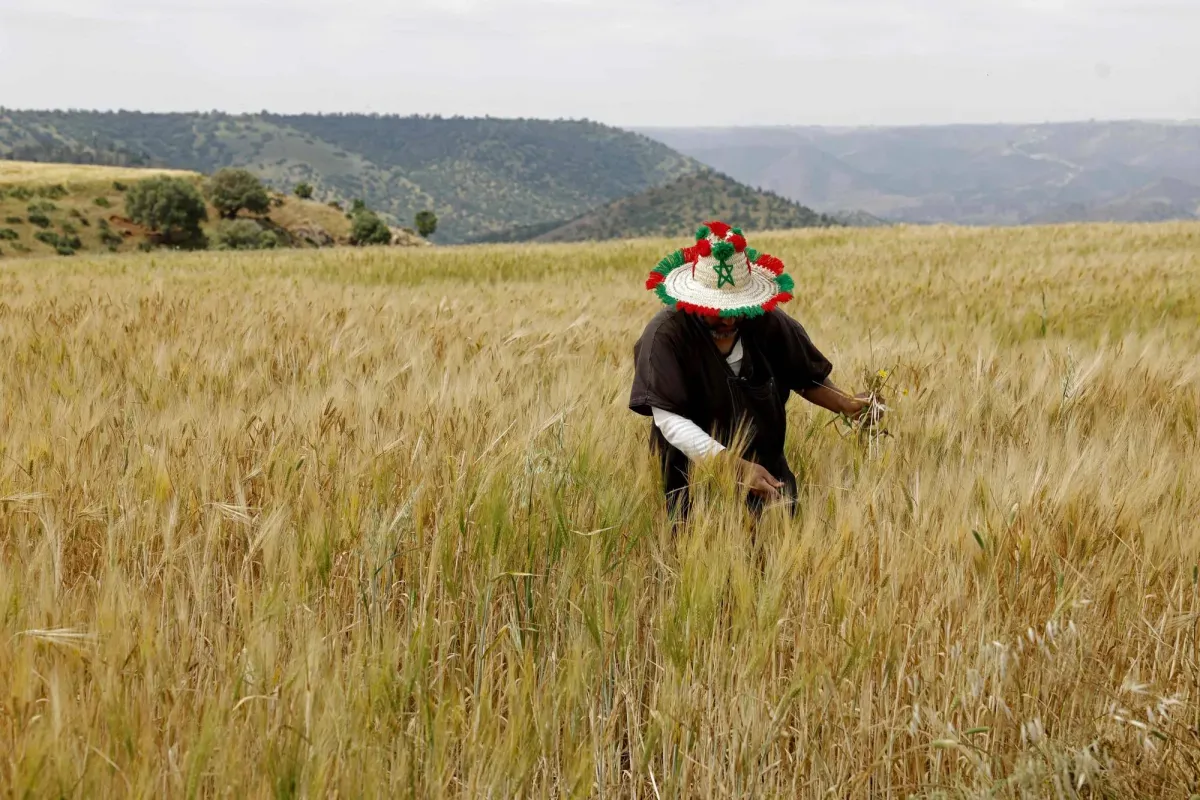
In Morocco, the agricultural sector, which employs approximately a quarter of the country's workforce, has been a beacon of hope for many farmers like Mehdi el-Maazi. After enduring seven consecutive years of drought, the arrival of significant rainfall in February and December of the previous year reignited optimism for a bountiful harvest. The lush landscapes of Marchouch, located about 70 kilometers south of Rabat, have transformed from parched lands to green fields, prompting farmers to resume their agricultural activities. Forecasts indicated that the cereal harvest could reach nearly nine million tonnes, more than double last year's production, and overall agricultural output was anticipated to rise by about 15 percent compared to the previous season.
However, these hopes were quickly dampened by the escalating costs of fuel and fertilizer due to ongoing conflicts in the Middle East. The war, which erupted in late February, has severely disrupted maritime traffic through the Strait of Hormuz, leading to a dramatic increase in global energy prices and fertilizer shortages. Farmers like Maazi, who previously spent around 1,200 dirhams (approximately $130) per hectare on diesel, now face costs soaring to 1,800 dirhams. This sudden spike has altered the economic landscape for farmers, as they grapple with rising expenses across the board, from fuel to the cost of hiring labor and renting harvesting machinery.
Abdelkader Toukati, another farmer from the region, expressed hope that diesel prices would decrease before the harvest season begins. However, he noted that the rising prices have already resulted in increased wages for workers and doubled rental costs for harvesting machines. Similarly, agricultural machinery rental operator Abdelaziz Drissi lamented the diminishing profitability of his business, stating that they are merely working to cover fuel expenses rather than generating an actual profit.
Government Response and Market Implications
The ramifications of these rising costs extend beyond individual farms and threaten the overall agricultural economy. Rising energy costs have directly impacted essential farming supplies, leading to increased prices for seeds, fertilizers, pesticides, and livestock feed. Abdessadaq el-Fayd, a livestock breeder, reported that the price of grain feed has surged from 90 dirhams per sack to between 110 and 120 dirhams in just a few months. Recognizing the urgent need for intervention, the Moroccan government announced aid for transport operators in March, and Prime Minister Aziz Akhannouch committed to improving distribution chains to help stabilize prices. Nevertheless, farmers have reported that these measures have yet to produce noticeable results in curbing rising costs.
Rachid Benali, president of the Moroccan Confederation of Agriculture and Rural Development, pointed out that while the price increases primarily affect fuels and nitrogen fertilizers, they will inevitably lead to higher prices for produce in the market. As farmers continue to confront these challenges, the outlook for agricultural productivity remains uncertain, despite the potential for a robust harvest. With inflationary pressures mounting and global economic conditions fluctuating, the future of Moroccan agriculture hangs in the balance, and farmers are left to navigate a complex landscape shaped by both environmental conditions and geopolitical tensions.
As reported by english.aawsat.com.