
Challenges Faced by Moroccan Agriculture Amidst Rising Costs
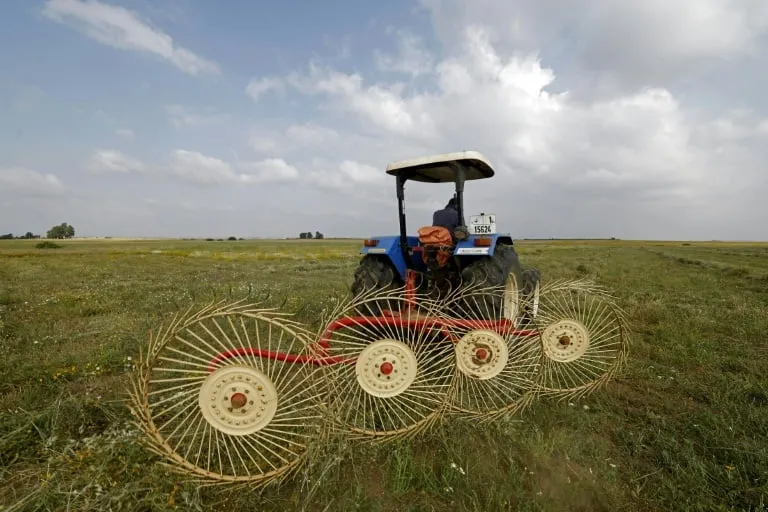
In a year that began with high hopes for a bountiful harvest, many Moroccan farmers, including Mehdi el-Maazi from the rural region of Marchouch, have found their optimism dashed by the unforeseen consequences of escalating fuel and fertiliser prices due to the ongoing conflict in the Middle East. Following a prolonged drought that lasted seven years, Morocco experienced significant rainfall in February and December, rejuvenating its parched landscapes and allowing farmers to return to their fields. The nation anticipated a strong cereal harvest, with projections estimating nearly nine million tonnes of output—more than double that of the previous year. However, the war, which ignited in late February, disrupted vital maritime routes through the Strait of Hormuz, severely impacting global energy markets and constraining the supply of essential agricultural inputs.
The cost of running farming operations has surged dramatically as a result of these disruptions. Mehdi el-Maazi, who previously spent around 1,200 dirhams (approximately $130) per hectare on diesel, now finds that expense has ballooned to 1,800 dirhams. This sharp increase in fuel costs has not only altered el-Maazi's outlook but has had a ripple effect across the agricultural sector, escalating the prices of all materials required for crop production. Fellow farmer Abdelkader Toukati expressed his concerns about the rising diesel prices, hoping they would decrease before the harvest season commenced, but he notes that workers' wages have also risen alongside the cost of renting harvesting machinery, which has doubled in price.
As the financial strain continues to mount, agricultural machinery rental operators like Abdelaziz Drissi lament the lack of profit, stating that their work now primarily serves to cover fuel costs. The cascading effects of rising energy prices extend beyond just fuel, significantly inflating the costs of seeds, fertilisers, pesticides, and animal feed. Livestock breeder Abdessadaq el-Fayd reported that the price of grain feed, once affordable at 90 dirhams per sack, has now risen to between 110 and 120 dirhams. Despite these challenges, a report from the High Commission for Planning in Morocco forecasts a 5% economic growth in the first quarter of 2026, an increase attributed to agricultural activities.
In response to these escalating costs, the Moroccan government announced aid for transport operators in March, and Prime Minister Aziz Akhannouch has pledged to enhance distribution chains to keep prices reasonable. However, farmers have expressed skepticism regarding the effectiveness of these measures, indicating that the price hikes primarily affect fuel and nitrogen fertilisers. Although the high costs are not expected to diminish the quantity or quality of harvests, they will inevitably be reflected in the prices consumers pay at markets, posing a persistent challenge for both producers and buyers in Morocco's agricultural landscape.
As reported by enca.com.