Moroccan Rapper's Struggle Against Censorship
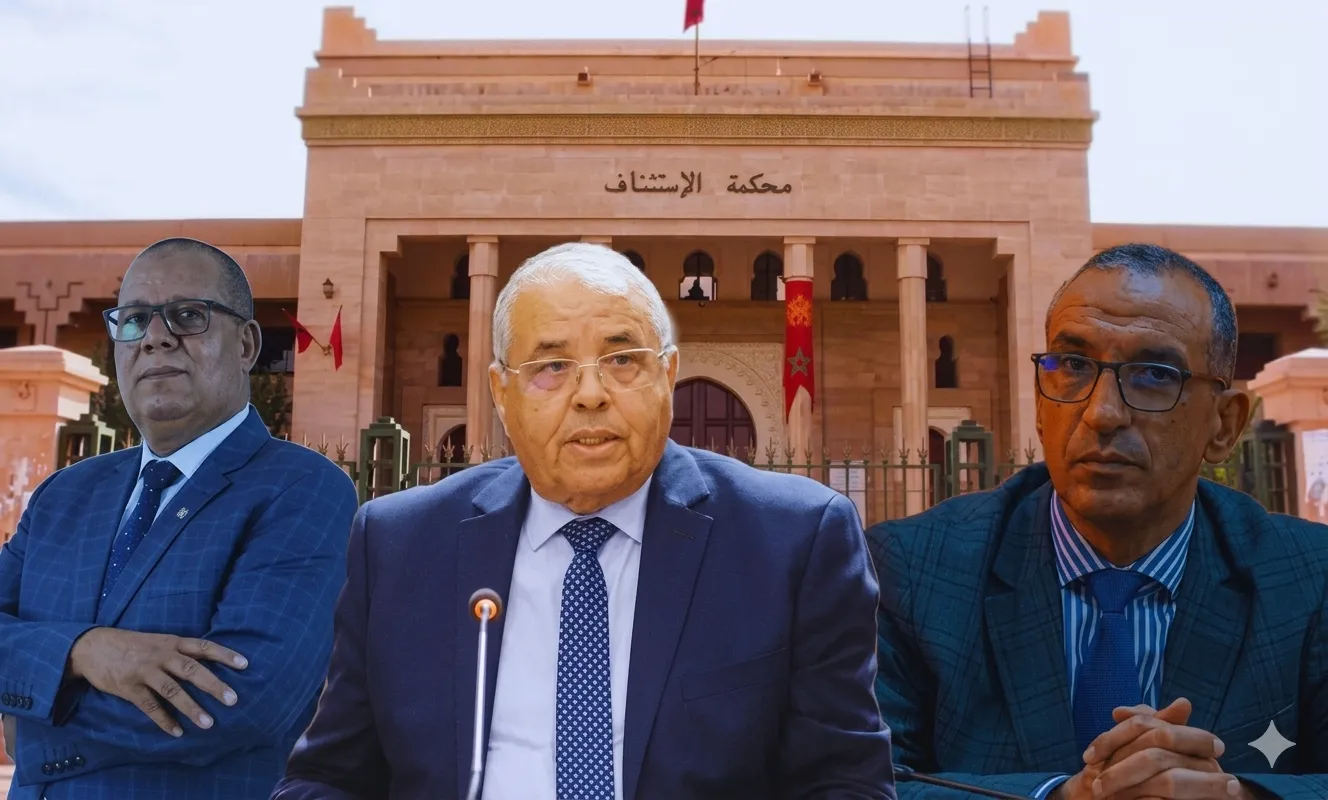
In a significant ruling that echoes the ongoing tensions between artistic expression and political governance, Moroccan rapper Souhaib Kabli, known in the music world as L7assal, has had his eight-month prison sentence upheld following an appeal. The appeal court's decision, which came to light on Tuesday through the rapper's lawyer, highlights the ongoing challenges faced by artists in Morocco who dare to voice dissent against corruption and the country’s normalization of relations with Israel. Kabli was initially arrested and sentenced in March on charges of 'insulting a public body,' a term that reflects the broader issues of freedom of speech in the nation.
Facing a maximum penalty of four years in prison, Kabli's case has raised eyebrows both domestically and internationally, particularly among human rights advocates. His defense attorney, Mohammed Taifi, characterized the ruling as a significant misjudgment, asserting that there was no malicious intent behind Kabli's statements, which were merely expressions of personal opinion. This sentiment is echoed by the Moroccan Association for Human Rights, which has vocally advocated for Kabli's release, describing his imprisonment as a politically motivated act aimed at curtailing freedom of expression.
The 23-year-old artist, who is also associated with the Islamist movement Al Adl Wal Ihssane, which operates in a legally ambiguous status within Morocco, has claimed that his comments were not intended to offend any particular individuals or institutions. His appearance in the appeals court in Taza was marked by a reiteration of his commitment to expressing his views freely, a testament to the ongoing struggle for artistic and personal liberties in a landscape where dissent is often met with severe repercussions. The ruling not only affects Kabli but also symbolizes a broader crackdown on voices of dissent in Morocco.
As reported by arabnews.com.