
Moroccan Rice Sector Faces Challenges Amid Increased Imports
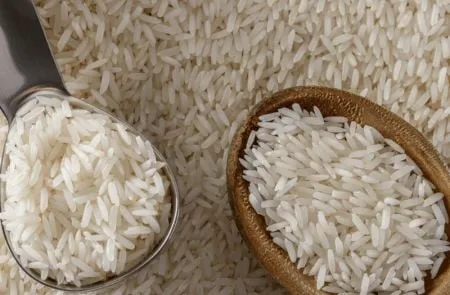
The Moroccan rice sector is sounding the alarm over a significant uptick in rice imports, which is jeopardizing the viability of local production and commercialization. On April 13, the Ministry of Industry and Trade initiated a safeguard investigation, as communicated to the World Trade Organization (WTO). This inquiry aims to assess whether the surge in rice imports is causing or threatening to cause substantial harm to the domestic production industry. Should this harm be substantiated, Morocco may implement protective measures, including additional tariffs or quotas, to temporarily shield its industry.
This investigation specifically targets white and parboiled rice, excluding aromatic varieties like basmati. Importers, exporters, and other stakeholders have until mid-May 2026 to submit their feedback to the relevant authorities. This procedural development follows a request from Moroccan rice producers who argue that foreign competition has become unsustainable. Official data indicates that rice imports in Morocco have escalated from 54,980 tons in 2022 to 118,843 tons in 2025, marking a staggering 116% increase within three years.
Impact of Drought and Future Prospects
The Moroccan rice sector has suffered due to a seven-year drought cycle that concluded at the beginning of 2026. Reports from the media outlet _l’Économiste maghrébin_ reveal that the area typically dedicated to rice cultivation, which ranges from 8,000 to 9,000 hectares, has plummeted by nearly 85% during the 2023/2024 agricultural season due to insufficient rainfall, leading to a collapse in local production. Data compiled by the Food and Agriculture Organization (FAO) further illustrates this decline, with rice production in Morocco dropping by 90.85% over five years, from 65,700 tons in 2020 to just 6,006 tons in 2024.
The ongoing safeguard investigation reflects heightened vigilance regarding this sensitive agricultural sector, and it could extend up to nine months, or even twelve months if prolonged. The stakes are particularly high as Morocco anticipates one of its best cereal harvests in 2025/2026, thanks to improved climatic conditions. While rice production remains limited in the kingdom, it is essential for food sovereignty in the face of volatile international markets and heavy reliance on imports. Moreover, the rice sector plays a crucial role in socio-economic development, generating stable income for approximately 2,500 farmers and creating around 1.5 million workdays annually.
As reported by agenceecofin.com.