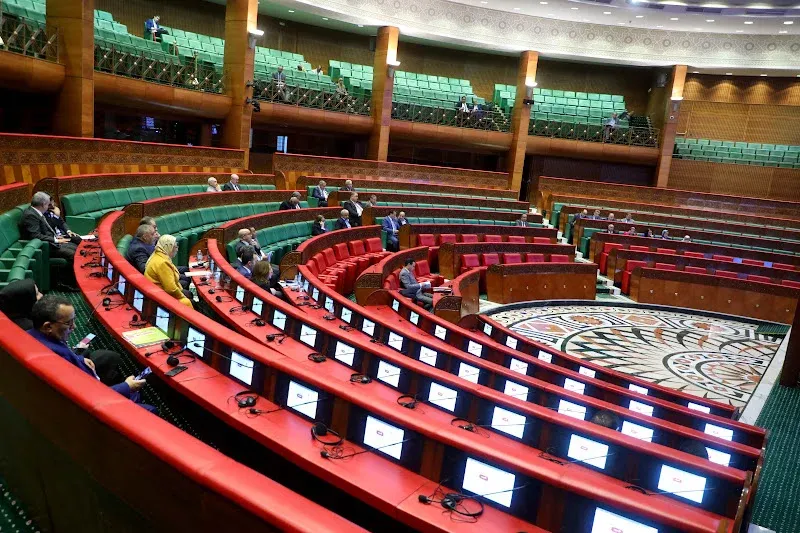

Moroccan women's rights organizations have raised significant concerns regarding the disproportionately low number of women nominated to lead electoral lists for the upcoming parliamentary elections scheduled for September 2026. These groups assert that the current nominations do not align with Morocco's constitutional commitments to uphold equality and gender parity. The 190 Coalition Against Violence and the Coalition for the Dignity and Rights of Women issued a joint statement emphasizing that, despite the existence of legal frameworks aimed at enhancing the political involvement of women and youth, male candidates continue to dominate these lists.
The organizations highlight that this issue transcends mere numerical representation; it poses critical questions about Morocco’s advancement in achieving gender equality, a principle firmly embedded within the nation's Constitution. Over the years, Moroccan women have amassed considerable experience across various sectors, including politics, trade unions, civil society, and human rights advocacy, making their underrepresentation among electoral leaders increasingly indefensible.
In response, the coalitions are advocating for a comprehensive national dialogue that would involve political parties, constitutional institutions, women’s associations, researchers, media entities, and other stakeholders. This discussion aims to analyze the underlying factors contributing to the underrepresentation of women and to identify actionable solutions. They have also questioned the extent to which political parties are genuinely implementing the incentives and mechanisms established by electoral laws to promote women's participation. Furthermore, they seek clarity on whether recent nominations truly reflect a commitment to equal opportunity and gender equality.
The groups assert that women should not merely be regarded as voters or campaign supporters but should be recognized as full-fledged political actors entitled to run for office, spearhead electoral campaigns, and occupy decision-making roles. In their recommendations, the organizations urge political parties to enforce electoral regulations more diligently, advocating for increased representation of women on candidate lists, with a specific goal of ensuring that women lead at least one-third of these lists.
Moreover, they call for candidate selection processes to prioritize competence, merit, and political experience, rather than relying on traditional criteria that may hinder women's access to leadership roles. Additionally, the statement appeals to public authorities and relevant institutions to vigilantly oversee the electoral process and to continue enforcing legal measures designed to bolster the political participation of women and youth.
As Morocco gears up for the parliamentary elections in September 2026, the discourse surrounding political representation, voter engagement, and gender parity is expected to take center stage in the electoral conversation. As reported by en.hespress.com.