
Investment Opportunities in Morocco
Morocco stands out as a country with an appealing investment landscape, attracting both national and foreign capital. The Regional Investment Centers across various Moroccan regions play a pivotal role in showcasing the investment possibilities available within the kingdom. These centers emphasize the incentives and facilities that the North African nation offers for establishing businesses and investing across a range of sectors. The drive for investment is not limited to international investors; local entities are equally encouraged to tap into the industrial potential of Morocco, which has been actively promoted since King Mohammed VI ascended to the throne in 1999.
Strategic Initiatives for Economic Growth
Under the clear directive of fostering investment, Morocco has been focusing on enhancing its industrial fabric across all regions. In addition to the efforts made by the Regional Investment Centers, a notable national initiative called the New Investment Charter has been introduced, driven by the State and Government leadership. This ambitious plan, with a budget of approximately €50 billion, aims to create around 500,000 jobs by 2026. Given Morocco’s current economic, industrial, and investment promotion successes, there is a strong expectation for renewed momentum in these initiatives, positioning the country as a significant economic hub on the international stage.
The strategy is straightforward: to promote private investment through incentives designed to attract businesses and capital, supported by state investments, attractive financing plans, on-ground assistance, and expert advisory services. The Moroccan government is also committed to simplifying bureaucratic processes and providing substantial tax exemptions to reduce the tax burden on potential investors. This comprehensive approach distinctly enhances the appeal of investing in Morocco.
A crucial element of this investment strategy is the focus on Moroccans residing abroad (MREs), who represent a significant asset for the nation. By fostering cultural and social ties, these expatriates contribute to Morocco's wealth through their economic activities overseas. Their potential to reinvest in their homeland can spur further development and prosperity within the nation. The Moroccan government, along with regional authorities, recognizes this potential and actively encourages MREs to explore investment opportunities as Morocco experiences robust growth.
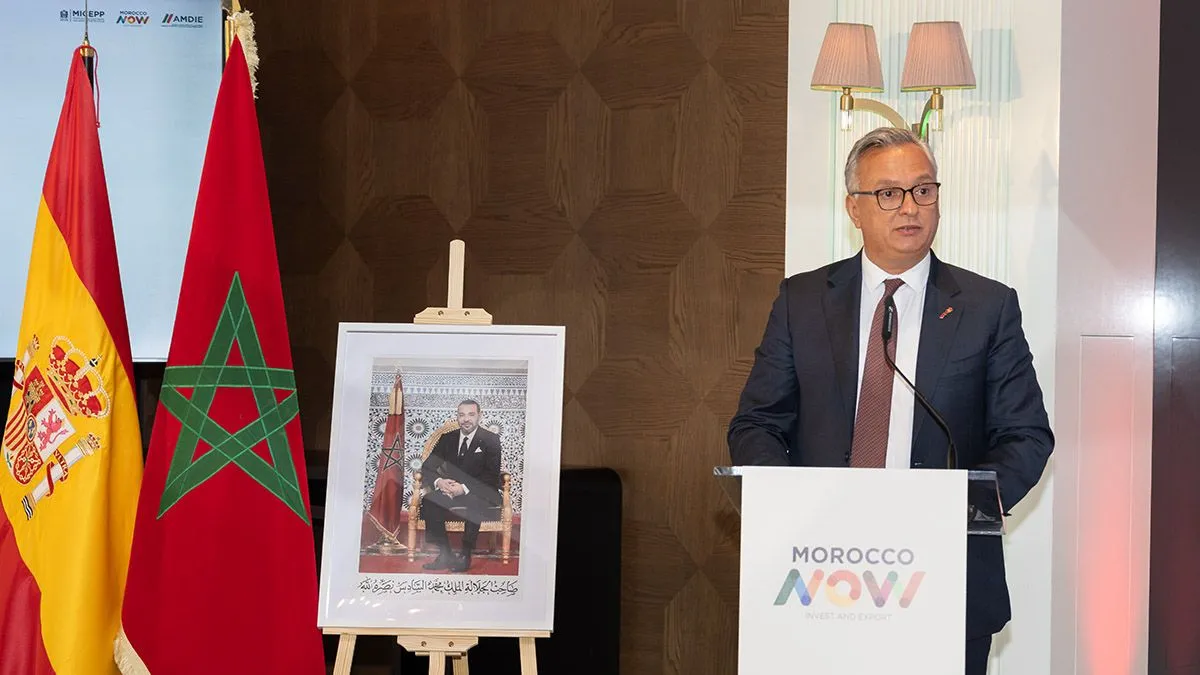
Over the last few decades, Morocco has witnessed exponential growth across various sectors, some of which like tourism have historical significance, while others, such as the automotive and aerospace industries, are emerging fields that are driving the country’s technological and economic modernization. A recent highlight of Morocco’s investment strategy was the National Forum on Investments and Moroccans Abroad held in Tangier, attended by Moroccan Prime Minister Aziz Akhannouch and Investment Minister Karim Zidane. Their presence underscored the government’s commitment to attracting investment from the MRE community and promoting the diverse investment opportunities available across Morocco's regions.
The Regional Investment Centers are integral to this strategy, as they provide valuable insights and support for potential investors. Additionally, the Moroccan Agency for Investment and Export Development (AMDIE) plays a significant role in facilitating investment mechanisms and offering guidance to interested parties. These entities were heavily involved in organizing the National Forum, where numerous representatives from the Moroccan diaspora gathered to learn about available investment opportunities from various national agencies.
Minister Karim Zidane has recently referred to MREs as a strategic engine for Morocco's development. With a community of around 6 million individuals, MREs are seen as vital contributors to national growth and promotion. Zidane has noted that the diaspora's success and commitment significantly enhance Morocco's international profile. He emphasizes that the deep-rooted connections these expatriates maintain with their homeland, through familial, cultural, and spiritual ties, represent an invaluable asset that should be recognized and leveraged for national development projects.
Beyond the potential for investment from returning expatriates, the economic contributions made by MREs through remittances to their families in Morocco are substantial, accounting for approximately 7% of the nation's Gross Domestic Product (GDP). This dual role of financial support and investment potential positions MREs as key stakeholders in Morocco's ongoing development efforts.
As reported by atalayar.com.