Morocco's Strategic Position in Green Industries
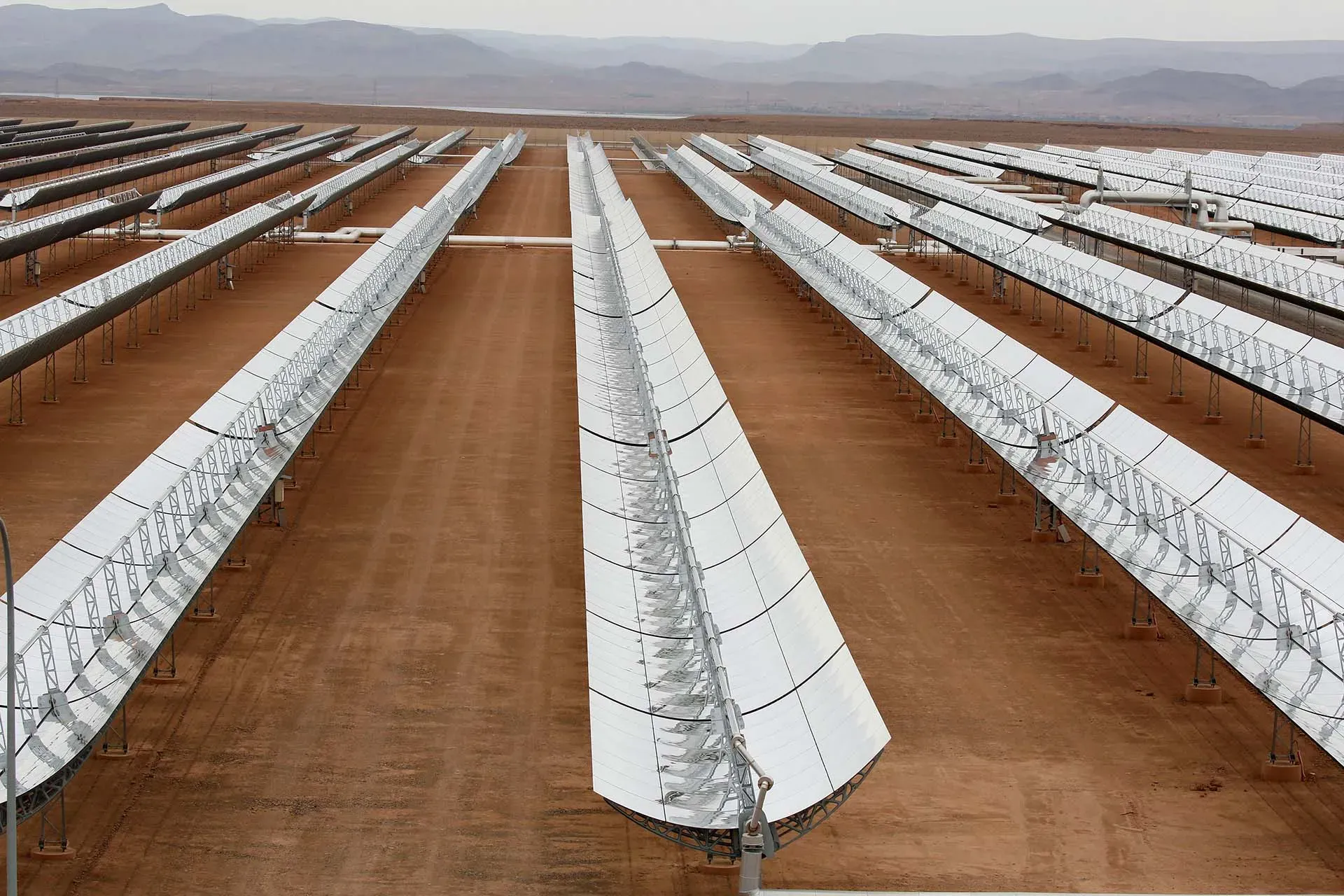
Recent research from the Washington-based Stimson Centre highlights Morocco's emergence as a pivotal hub in China's green industrial strategy, particularly as the geopolitical landscape shifts due to the ongoing conflict in Iran. This transformation is forcing a reassessment of global supply chains and energy security considerations. Despite ambitious goals for decarbonization and an influx of foreign capital, the report notes significant vulnerabilities that Morocco faces, including its reliance on imported hydrocarbons and the need for modernization of its outdated grid infrastructure.
Since becoming a participant in the Belt and Road Initiative in 2017, Morocco has seen a notable increase in Chinese investments across various sectors, particularly in renewable energy, battery production, and electric vehicle (EV) components. This influx of capital reflects a convergence of ambitions between Morocco and China, aiming to foster sustainable industrial growth and economic development.
Expanding Industrial Footprint
Chinese investments in Morocco are not confined solely to green technologies. A recent development saw Jiangsu Aishelun, a medical manufacturer, commence construction on its first African facility in the Mohammed VI Tanger Tech City, located near the Tanger Med port complex. The company has committed to investing an additional EUR 15 million into its Moroccan subsidiary, which will bring total investments to EUR 20 million. The Tanger Tech City is rapidly becoming a focal point for industrial investments, attracting various sectors and bolstering Morocco's economic landscape.
China's strategic interests in Morocco also involve leveraging its geographic advantages for exporting goods to the European Union. By establishing manufacturing plants in Morocco, Chinese companies can benefit from the trade agreement between the EU and Morocco, effectively bypassing tariffs on EVs produced in China. Morocco is already recognized as a vital hub for major automotive manufacturers, including Renault and Stellantis. Additionally, the nation is rich in world-class phosphate reserves, which are essential for battery production, further solidifying its role in the global supply chain for green technologies.
In a broader context, similar trends can be observed in other nations such as Egypt, where Chinese firms are actively investing in diverse manufacturing sectors ranging from consumer goods to renewable energy solutions. This strategic alignment underscores China's commitment to expanding its industrial footprint across the region while simultaneously enhancing local economies.
As reported by enterpriseam.com.