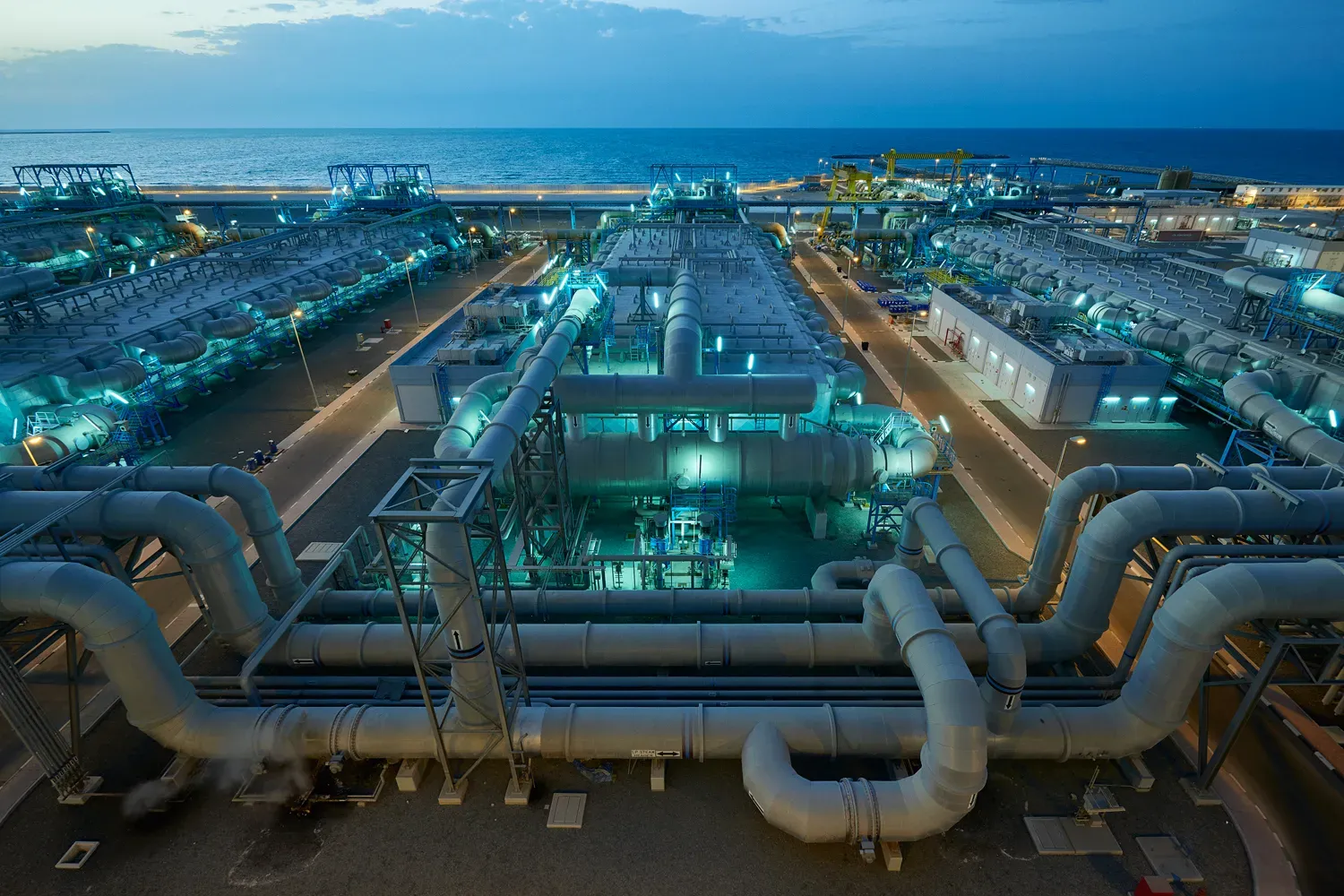

Morocco is intensifying its efforts on one of Africa's most ambitious desalination initiatives aimed at guaranteeing a reliable supply of drinking water, bolstering agricultural practices, and fulfilling the increasing demands of industrial growth, as articulated by Water Minister Nizar Baraka. The Moroccan government has set an ambitious target to mobilize 1.7 billion cubic meters of desalinated water each year by the year 2030. This comprehensive strategy will focus on the country's extensive coastline and will rely heavily on public-private partnerships (PPPs), cutting-edge technology, and meticulously coordinated planning, according to Baraka's statements reported in L’Economiste.
The nation has outlined eleven major desalination projects across various regions, including the Oriental, Tangier, Rabat, Essaouira, and Guelmim, with preliminary studies already completed for these developments. Significant progress is also being made on the Souss-Massa desalination plant, while collaborations with the phosphate giant OCP are crucial for expanding the El Jadida and Safi facilities, which will serve both drinking water and industrial needs.
Currently, Morocco operates a total of 17 desalination plants that collectively produce 350 million cubic meters of potable water annually. Additionally, there are four more projects underway, including the expansions at the El Jadida and Safi facilities. In the southern region, the construction of the Dakhla plant has reached an impressive 78% completion and will be complemented by a dedicated wind farm to enhance sustainability. Meanwhile, Casablanca is preparing to host Africa's largest desalination plant, which is projected to have a total capacity of 300 million cubic meters per year.
To promote equitable access to water resources across the country, Morocco is also deploying mobile desalination units. Currently, there are 124 operational units that are producing a combined output of 771 liters per second from seawater and brackish groundwater, with an additional 77 units under commissioning that will provide an extra capacity of 514 liters per second.
As reported by northafricapost.com.