
Morocco's Push for Regionalization Amid Ongoing Western Sahara Negotiations
As negotiations surrounding the status of Western Sahara continue to stall, Morocco is making significant strides in advancing its regionalization agenda. Recently approved by parliamentary committees, the reform of regional laws is set to be put to a vote, aiming to enhance the framework established in 2015. This legislative effort comes at a crucial time, as the future of Western Sahara remains uncertain, necessitating clear definitions and resolutions concerning its status.
Initially launched under King Mohammed VI, the advanced regionalization initiative is now back in the spotlight after eighteen years. Announced in 2008 and later enshrined in the 2011 Constitution, this reform was designed to decentralize decision-making powers and empower regional authorities with substantial operational levers. However, despite the passage of a decade since the organic laws were adopted in 2015, the implementation of these reforms has not fully realized its intended goals.
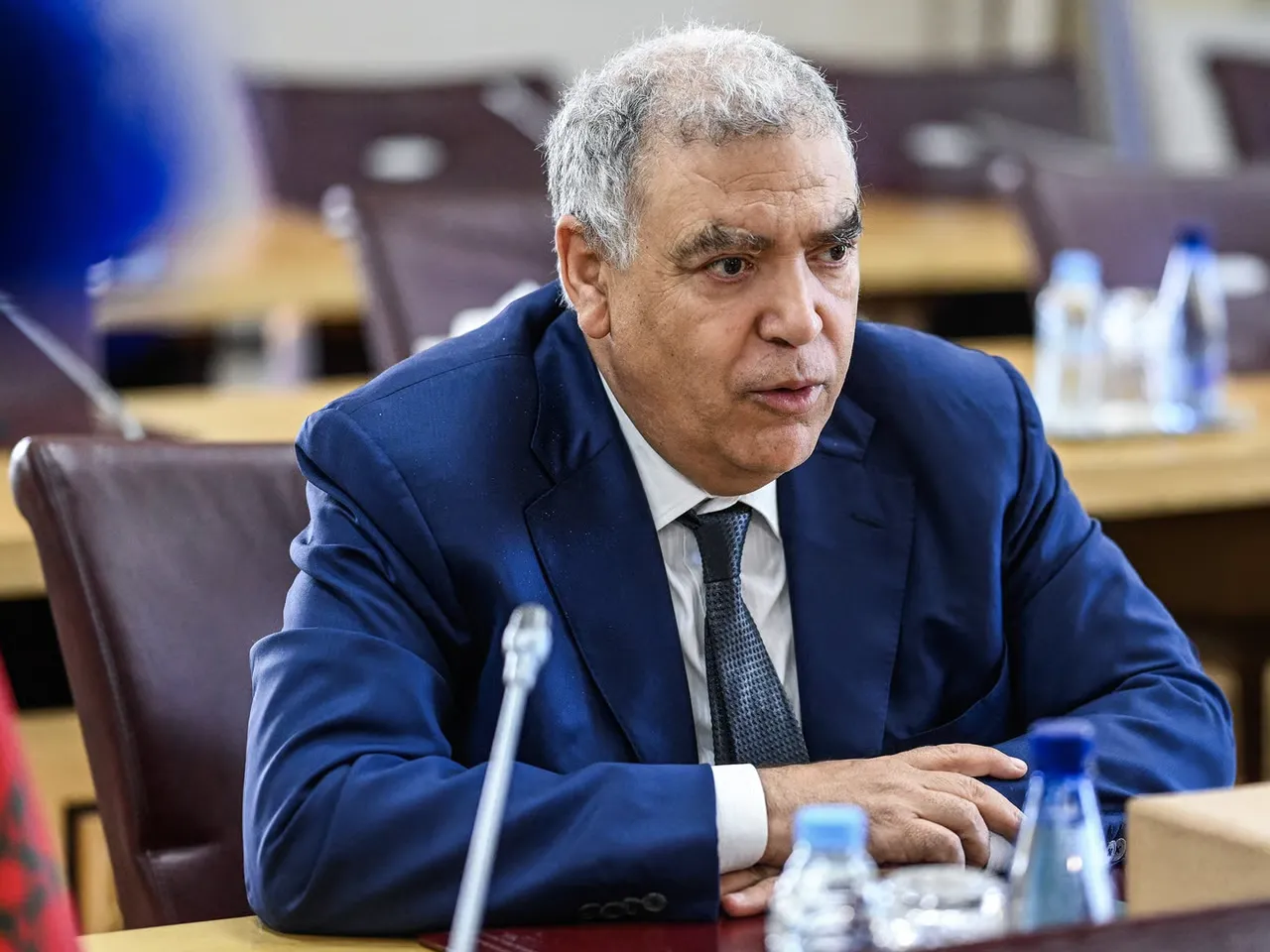
Abdelouafi Laftit, Morocco's Minister of the Interior, emphasized the importance of these reforms in Rabat, indicating that the new legislative measures aim to bring governance closer to the people. This shift is expected to facilitate better local decision-making and enhance the responsiveness of regional governments to the needs of their constituents. As Morocco navigates the complexities of the Western Sahara dispute, the advancement of regionalization could play a pivotal role in addressing local governance issues and fostering stability in the region.
In conclusion, while the negotiations concerning Western Sahara continue to face challenges, Morocco's commitment to regionalization reflects a proactive approach to governance. This legislative reform could not only strengthen local authorities but also contribute to the broader political landscape as the country seeks to address pressing issues surrounding territorial status and governance.
As reported by jeuneafrique.com.