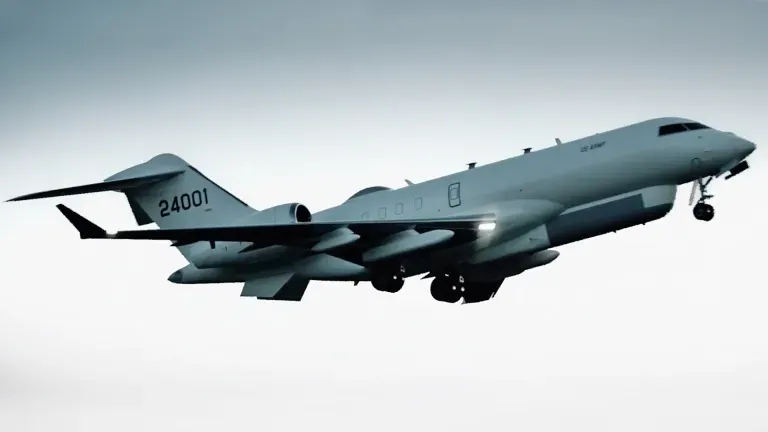

Morocco's Strategic Shift in Air Intelligence
Morocco is proactively enhancing its capabilities in the realm of intelligence, surveillance, and reconnaissance (ISR), recognizing these elements as fundamental to any modern defense strategy. This initiative aligns with a comprehensive overhaul of the nation’s military options, showcasing a pronounced shift towards adopting more sophisticated and technologically advanced programs. Recent insights from the military news outlet "Defensa" highlight Morocco's keen interest in the American HADES program (High-Altitude Extended-Range Detection and Surveillance), a new generation of high-altitude reconnaissance aircraft. This development signifies a significant transformation in the thinking of the Royal Armed Forces, which aims to acquire advanced capabilities for monitoring military movements and gathering intelligence from considerable distances, comparable to those possessed by major regional and global powers.
This strategic direction, according to the same report, follows years of addressing a clear gap within the Moroccan Air Force, particularly the absence of specialized aircraft for electronic intelligence gathering (SIGINT/ELINT) and conducting long-range surveillance operations. The HADES program is viewed as essential for monitoring extensive and sensitive areas, including the southern regions, borders with the Sahel, and both the Atlantic coastline and northern maritime corridors.
Future Prospects and Challenges
The report further elaborates that Morocco had previously considered acquiring Gulfstream G550 aircraft and converting them into advanced intelligence-gathering platforms. These aircraft are capable of long-distance flights at high altitudes, having been utilized by countries such as the United States and Israel for similar missions. Discussions had revolved around the potential purchase of three to four units, in collaboration with major American companies like L3Harris and Raytheon for outfitting with advanced electronic systems and sensors. However, this project did not materialize officially, despite being a topic of conversation between 2019 and 2021, potentially due to undisclosed technical challenges, high costs, or shifts in Morocco’s defense priorities.
As a result, Morocco has continued to rely on less advanced means, including the Dassault Falcon 20 aircraft that remain in service, albeit lacking the modern capabilities that are now essential. The transition towards the HADES program represents a more significant and advanced step forward, as it encompasses not just a single aircraft but an integrated system developed by the United States to serve as the backbone of future reconnaissance operations. This system will utilize the modern Bombardier Global 6500 aircraft, which boasts the capacity for longer flights, carrying more equipment, and remaining airborne for extended periods at higher altitudes.
A distinctive feature of this program is its practical development, as the American military has relied on real aircraft for actual reconnaissance missions over the past few years, particularly in sensitive areas like Eastern Europe and the Pacific. Programs such as Artemis and Ares have allowed for the testing of equipment under real conditions, facilitating the collection of precise data and contributing to the development of a more effective system. The HADES system is expected to include advanced devices capable of capturing and analyzing electronic signals and communications, pinpointing radar locations, and potentially engaging in electronic warfare tasks, with Sierra Nevada Corporation tasked with integrating these systems within the aircraft.
However, acquiring this system will not be a swift process, as it involves lengthy negotiations that may take time before reaching a final agreement. Following the signing of any deal, the production and outfitting of the aircraft will take several years, especially since the program is still in the development phase and has not yet reached full production. With the expectation that the U.S. military will receive the first of these aircraft between 2026 and 2027, Morocco, should the deal be finalized, might not receive its units until the beginning of the next decade.
As reported by assahifa.com.