
Morocco's Historic Journey and Current Aspirations
Morocco has etched its name in history through its extraordinary performance at the 2022 FIFA World Cup, marking a groundbreaking achievement for both African and Arab nations. The Atlas Lions made an impressive run to the semi-finals in Qatar, showcasing their skill and determination by overcoming formidable opponents such as Spain and Cristiano Ronaldo's Portugal, both of whom they defeated in nail-biting matches. However, their journey came to a close against France in the semi-finals, followed by a hard-fought loss to Croatia in the third-place play-off. This remarkable feat was unexpected, especially considering Morocco's previous World Cup history, which saw them reach the knockout stage only once before, in 1986.
This time around, Morocco finds itself in a different position, currently ranked eighth in the world, nestled between football giants like the Netherlands and Belgium, and notably positioned above Germany. With high expectations from their home supporters, there is a strong desire for the team to adopt a more offensive style of play, moving away from the defensive strategies that served them well in the previous tournament.
Coaching Changes and Future Prospects
Walid Regragui, who played a pivotal role in leading Morocco to success in Qatar, stepped down from his coaching position in March following a turbulent period, which included a dramatic loss to Senegal in the Africa Cup of Nations final. Despite being the favorites, Morocco's hopes were dashed when their star player, Brahim Diaz, missed a critical penalty in the dying moments of the match. The aftermath saw Senegal's players protest against the decision, which further complicated the situation. Regragui's departure paved the way for Mohamed Ouahbi, who was previously instrumental in Morocco's Under-20 World Cup victory. Ouahbi faces the challenge of guiding the national team through the upcoming World Cup, where they will kick off their campaign against Brazil, followed by matches against Scotland and Haiti.
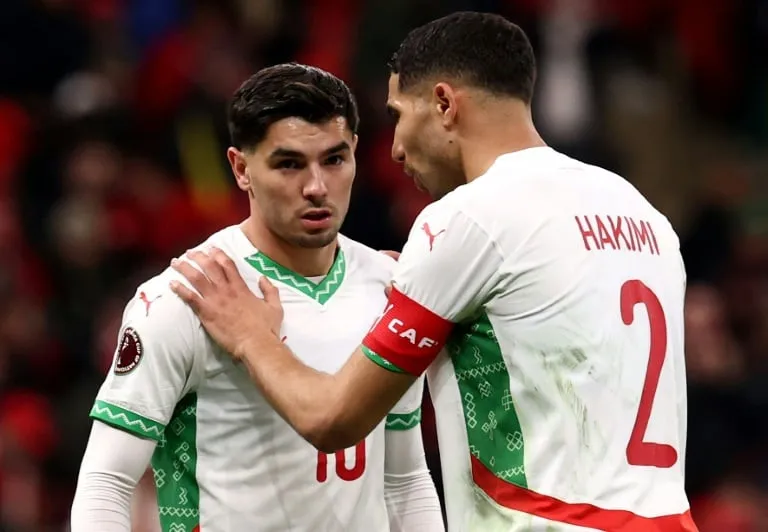
As the team prepares for this significant tournament, there is a palpable sense of optimism surrounding its capabilities. Moroccan football pundit Oussama Berraoui emphasizes that the current squad possesses greater experience and talent compared to their 2018 predecessors. This transformation has been fueled by two key factors: a successful youth development program at the Mohammed VI academy and the recruitment of talented players with Moroccan roots born in Europe. Key figures like Achraf Hakimi and Brahim Diaz highlight this trend, alongside emerging talents such as Noussair Mazraoui and Ayoub Bouaddi, who recently committed to representing Morocco at the senior level.
Coach Ouahbi shares his vision for the team's potential, expressing that while the uncertainties of football always exist, he believes in their capability to aspire for the World Cup title. Looking ahead, Morocco is already setting its sights on the 2030 World Cup, which it will co-host with Spain and Portugal. Plans for a grand 115,000-seat stadium near Casablanca are underway, showcasing Morocco's ambition to leave a lasting mark on the footballing world.
As reported by enca.com.