
Significant Developments in African Energy Cooperation
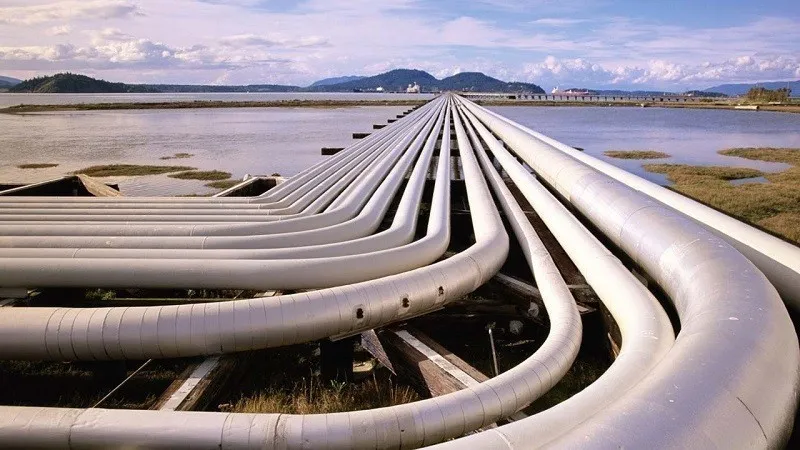
In a major advancement for energy collaboration in Africa, Amina Benkhadra, the head of Morocco’s Hydrocarbons and Mining Agency (ONHYM), announced plans for Morocco and Nigeria to officially sign an intergovernmental agreement concerning the ambitious $25 billion gas pipeline project this year. This initiative, known as the African Atlantic Gas Pipeline or the Nigeria-Morocco pipeline, is designed to not only supply Morocco with essential gas resources but also to facilitate gas exports to Europe, thereby enhancing regional energy security and market stability.
Following the agreement, a high-level committee will be established in Nigeria, which will include ministerial representatives from all 13 countries involved in the project. This committee aims to provide essential political and regulatory coordination to ensure a smooth progression of the pipeline's development. Moreover, Benkhadra highlighted the formation of a joint venture project company that will be established between ONHYM and the Nigerian National Petroleum Company (NNPC). This company will oversee the financing and construction phases of the project, ensuring effective implementation of the pipeline.
The Strategic Importance of the Pipeline
Benkhadra articulated the pipeline's significance in fostering economic integration throughout West Africa while reinforcing Morocco's energy sovereignty. This project is poised to position Morocco as a pivotal energy bridge between Africa and Europe, enhancing its role in the global energy landscape. The initial phases of the pipeline are set to connect Morocco to gas fields in Mauritania and Senegal, with future expansions linking Ghana to Côte d’Ivoire and ultimately connecting Nigeria’s gas fields to Ghana.
While funding commitments for the project are still in the pipeline, Benkhadra asserted that the newly formed project company will spearhead a financial structure that combines both equity and debt financing. She noted the growing interest in the Nigeria-Morocco pipeline, which is strategically vital in the current energy market climate exacerbated by geopolitical tensions in the Middle East.
In a statement made in 2022, King Mohammed VI characterized the gas pipeline project as a significant venture transcending mere bilateral cooperation, framing it as a cornerstone of African economic integration aimed at fostering co-development for present and future generations. The expansive project, spanning over 6,900 kilometers across 13 nations along the Atlantic coast, is expected to benefit more than 340 million people. Morocco will be integral to this project, hosting over 1,600 kilometers of the pipeline that connects Nigerian gas supplies to Europe through a network of countries, including Mauritania, Senegal, Gambia, Guinea-Bissau, Guinea, Sierra Leone, Liberia, Côte d’Ivoire, Ghana, Togo, and Benin.
The urgency of this project is underscored by the ongoing regional challenges, particularly the impact of the Middle East conflict on the global energy market, which has necessitated a reevaluation of energy sourcing and costs. Moroccans are currently facing socio-economic strains attributable to high living costs, which are further compounded by challenges within the energy sector.
As reported by moroccoworldnews.com.