
A Controversial Decision in African Football
The recent declaration by the Confederation of African Football (CAF), which awarded Morocco the Africa Cup title despite Senegal's victory in the final, has sparked outrage and disbelief among football players across the continent. This decision appears to undermine the integrity of the sport and disregards the hard-fought achievements of the athletes. The CAF's ruling has been interpreted as a blatant disrespect towards all football players in Africa, raising questions about the fairness and legitimacy of such a conclusion.
As Morocco celebrates what it perceives as a monumental victory, the Senegalese Football Federation plans to escalate the matter to the Court of Arbitration for Sport (CAS) in Lausanne. The press release issued late Tuesday by the CAF is unlikely to be the final word in this contentious issue. Should the adjudication in Lausanne support CAF's ruling, it would lend credence to a narrative that many find difficult to accept: the notion that the final match in Rabat ended prematurely when most Senegalese players retreated to the locker room at the behest of their coach. This fiction overlooks the subsequent events that unfolded on the field, including Senegalese captain Sadio Mané's leadership in returning to play, the missed penalty by Brahim Diaz, and Pape Gueye's decisive goal in extra time, which ultimately led to Senegal's victory.
Concerns Over Fair Play and Sportsmanship
In the world of sports, adherence to the referee's decisions is a fundamental principle taught to every young athlete. Therefore, the actions of the Senegalese players, who felt disadvantaged and retreated to the locker room, were seen as a significant breach of sportsmanship. It was commendable that Sadio Mané encouraged his team to return to the pitch, reinforcing the values of competition and integrity. When referee Jean-Jacques Ndala Ngambo resumed the match, it was apparent that the game would determine its rightful winner on the field, rather than through administrative rulings. The narrative constructed by CAF, suggesting that Senegal conceded the match by leaving the field, has been effectively countered by Morocco's players, who continued to play regardless of the circumstances.
The Moroccan appeal reflects a sense of poor sportsmanship and an unwillingness to accept defeat gracefully. The prospect of a second authoritative body reallocating the title in Africa's premier sports competition is unprecedented, and the lack of published reasoning behind such a decision raises serious concerns. The broader implications of this ruling are alarming, especially when considering the precedent it sets for future competitions.
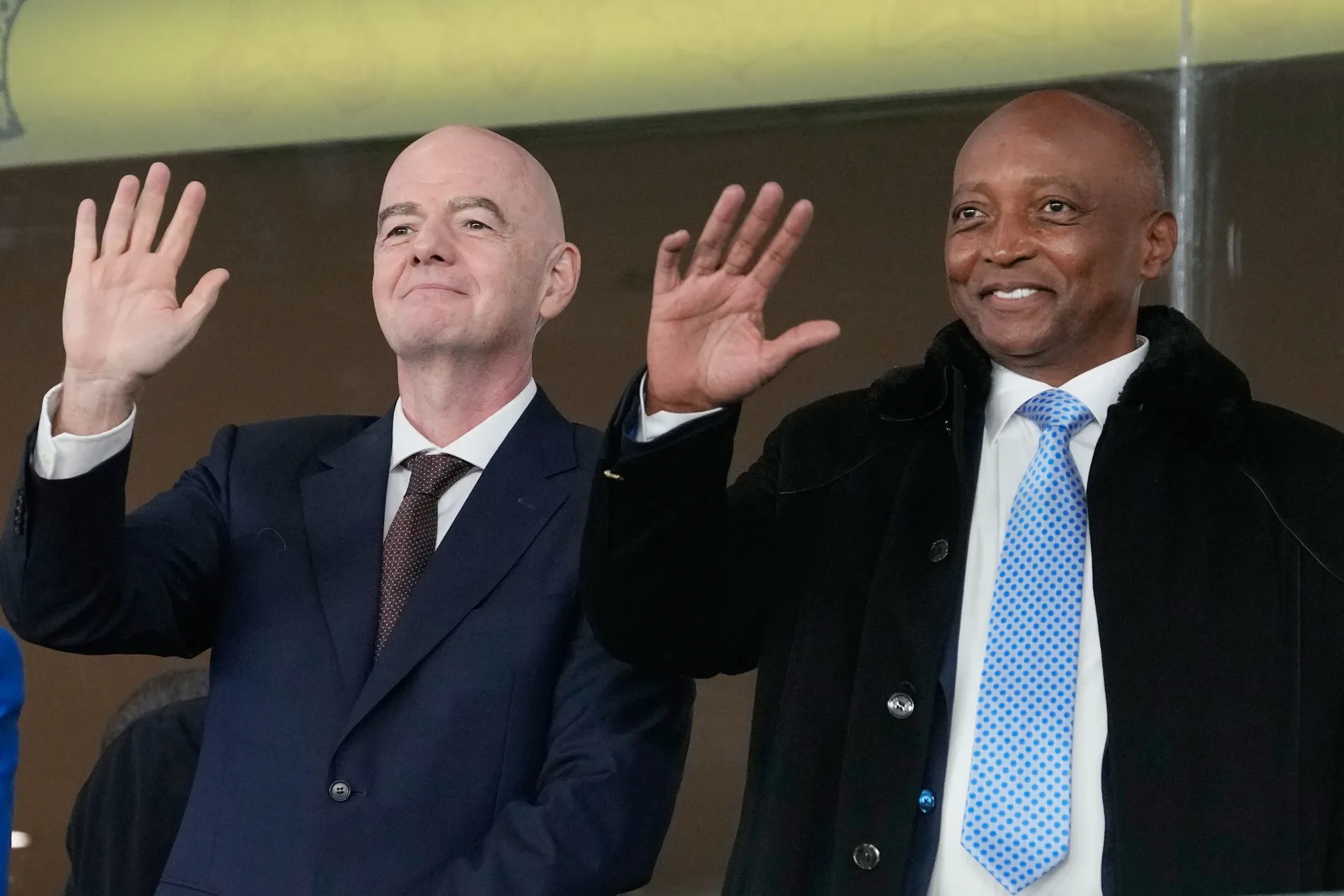
Moreover, the contrasting sanctions faced by Moroccan and Senegalese players have fueled perceptions of unequal treatment within CAF, leading some to accuse Morocco of exerting undue influence over the organization. As a nation hosting several international competitions and poised to co-host the 2030 World Cup alongside five other countries, Morocco's prominence in African football is undeniable. However, this controversy casts a shadow over its achievements. Claude Le Roy, a veteran French coach with extensive experience in African football, criticized CAF President Patrice Motsepe, referring to him as a puppet of FIFA's Gianni Infantino. Le Roy's assertion that declaring Morocco the winner is a "foolishness beyond compare" resonates with many who feel that this decision reflects a lack of respect for all African football players, particularly those who competed on January 18 in Rabat.
As Morocco is awarded the title through bureaucratic means, Senegal's players have responded with scorn, leading to a growing sense of arbitrariness that poses significant risks for the sport. The fallout from the Africa Cup final has resulted not only in hefty fines and protests but now also in a controversial title awarded at the administrative level, further complicating the narrative surrounding this storied competition.
As reported by faz.net.