Geopolitical Landscape Shifts Fertilizer Market Dynamics
As geopolitical tensions escalate in the Persian Gulf, the global fertilizer market faces potential disruption, presenting an unexpected opportunity for Morocco. At the forefront of this evolving landscape is the Port of Tanger Med, which has become a pivotal logistical hub driving the surge in Moroccan phosphate exports to Europe and the Americas. A recent report by Energy Intelligence highlights the ongoing sensitivity of the Gulf region to political and military crises, with approximately 11% of global urea exports originating from Qatar and nearly one-third of global agricultural nutrient trade, including ammonia and urea, passing through the strategically significant Strait of Hormuz. Furthermore, about 45% of global urea production relies on facilities located in this vulnerable area, making the system susceptible to maritime traffic disruptions or escalated tensions. This vulnerability positions Morocco as an increasingly attractive alternative for international markets.
Morocco's Strategic Advantages in the Fertilizer Sector
The Moroccan export boom is not solely attributable to its vast phosphate reserves; rather, it is significantly bolstered by its robust logistical infrastructure. The Tanger Med port complex, strategically located near the Strait of Gibraltar, has solidified its status as the Mediterranean's largest logistical hub. With a capacity surpassing eleven million TEU containers as of last February, the port has outperformed the Port of Algeciras in total traffic, thereby reinforcing Rabat's logistical strategy to channel phosphate and fertilizer exports to Europe, America, and Africa. Moreover, Morocco's ambitions do not end here, as the upcoming Nador West Med port, expected to commence operations between 2026 and 2027, will further enhance the country's port capacity and bolster what analysts refer to as an 'encompassing strategy' over significant maritime routes in the western Mediterranean.
The rise of Morocco's status is also intertwined with shifts in international trade following the conflict in Ukraine. European sanctions against Russia have reconfigured the fertilizer market within the European Union. According to data released by Eurostat and reported by Forbes Middle East, Morocco emerged as the EU's leading fertilizer supplier in 2025, accounting for 19% of the bloc's imports, while Russia's share dwindled to 12.8%. This rebalancing reflects Europe's goal of reducing reliance on Russian agricultural inputs without jeopardizing its agricultural competitiveness. Morocco has adeptly seized this moment, leveraging three critical factors: its immense phosphate reserves, an integrated fertilizer industry, and its geographical proximity to the European market.
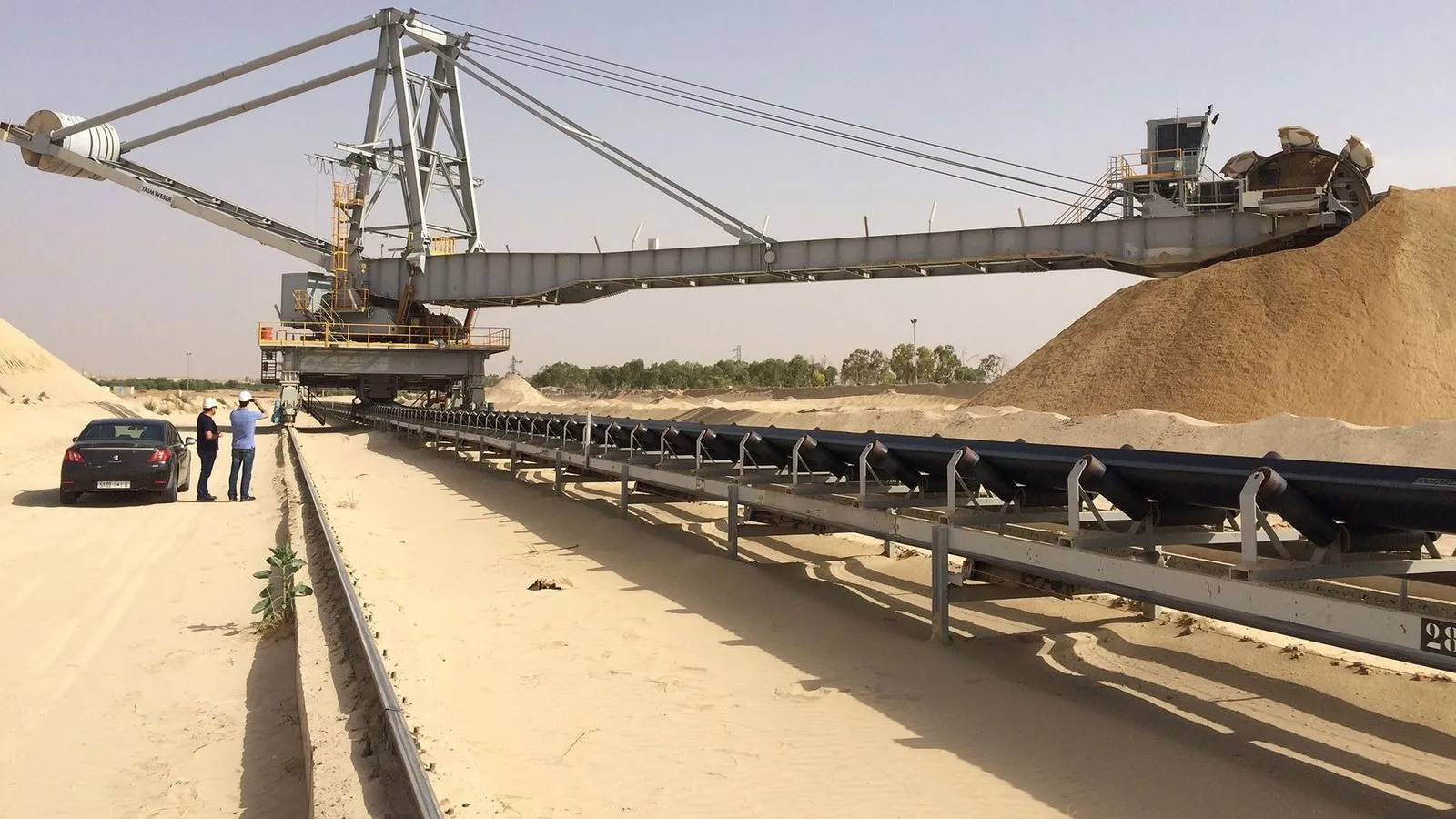
Morocco controls approximately three-quarters of the world's phosphate reserves, an essential raw material for producing phosphate fertilizers, which are vital for sustaining agricultural productivity and ensuring global food security. Furthermore, Morocco's role in this market extends beyond agriculture; phosphate is also a key component in the production of iron and lithium phosphates, utilized in electric vehicle batteries and energy storage systems, adding another strategic dimension to this resource.
However, the country faces significant challenges. Fertilizer production requires ammonia, which is primarily produced from natural gas. Energy tensions stemming from the Ukraine war have escalated import costs to around $2 billion annually at certain peaks. To mitigate this dependency, the state-owned OCP Group has launched an ambitious energy transition strategy, including a major $7 billion plant near Tarfaya that aims to harness solar and wind energy for green ammonia production. This facility is projected to generate 200,000 tons annually starting in 2026, scaling up to three million tons by 2032, utilizing desalination systems to support the electrolysis processes that will produce zero-emission hydrogen.
Simultaneously, the Jorf Lasfar industrial complex, one of the largest fertilizer hubs globally, is already experimenting with pilot projects for green production. The global fertilizer market exceeds $190 billion and is set to continue growing, driven by rising global population demands and the need to enhance agricultural productivity. Within this context, fertilizers have become a crucial element for global food security. The combination of phosphate reserves, investments in clean energy, and a powerful logistical network places Morocco in a prime position to capitalize on any reconfiguration of the international market.
As reported by europasur.es.