
Morocco Strengthens Agricultural Data Protection in the Face of Digital Transformation
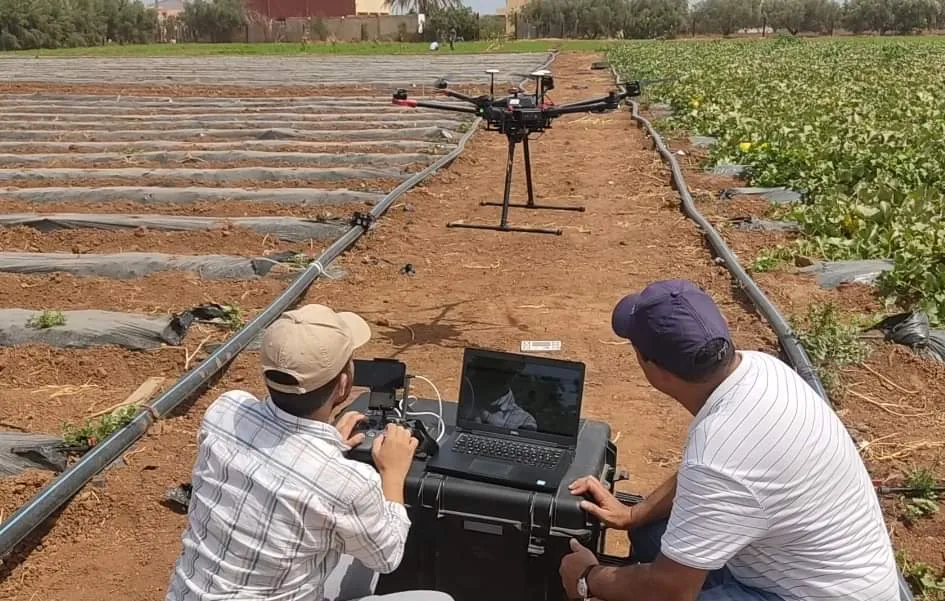
In an era where digital transformation is reshaping agricultural practices, Moroccan authorities are taking significant steps to enhance the protection of agricultural data. The increasing economic value of data generated through digitalization in rural sectors encompasses a wide range of information, including agricultural production, water consumption, financial records of producers, and biological data related to livestock. During the 18th International Agricultural Forum in Meknes, which runs until April 28, officials and industry professionals emphasized that the digitization of agricultural activities has revolutionized management and production methods for approximately 1.6 million farmers, with a growing use of professional applications and precision farming technologies.
As agricultural data continues to circulate more extensively, challenges surrounding the collection, utilization, and resale of this information have emerged. In response, the National Commission for the Protection of Personal Data, in coordination with the Ministry of Agriculture and professional organizations, has launched initiatives aimed at establishing a regulatory framework to safeguard this digital asset. Notably, the "Data TIKA" program was announced, designed to assist stakeholders within the sector in complying with relevant legal provisions and securing the flow of information throughout the production chains, thereby protecting producers' interests and strengthening trust in transactions.
This initiative is particularly vital for the agricultural banking sector, as officials noted that over 80% of financing for the primary sector is funneled through the Agricultural Credit of Morocco. This underscores the importance of data security and information systems in ensuring sustainable financing and protecting the relationship between funders and producers. Furthermore, the rise of digital financial services in rural areas necessitates heightened cybersecurity measures, with advanced protocols and user training implemented to mitigate fraud risks and enhance the reliability of transactions.
The forum also witnessed the signing of four agreements to join the program, involving the Ministry of Agriculture, the Agricultural Credit Group of Morocco, the Moroccan Confederation of Agriculture and Rural Development, and the Federation of Agricultural Chambers. This move aims to unify data protection standards within the agricultural ecosystem. The National Commission for the Protection of Personal Data confirmed that the scope of protection extends beyond digital systems to include physical documents, images, audio recordings, and biological samples, reflecting what has been described as the concept of "digital dignity."
This focus is particularly relevant in livestock breeding and agricultural research, where blood samples and DNA sequences are utilized for production improvement purposes, necessitating clear regulations regarding the collection and processing of such data.
In parallel, a strategic study on agricultural information governance has been launched to align current processing methods with international standards, fostering a more secure and transparent digital ecosystem. Observers believe that mastering data related to agricultural production, water resources, and export capacities is fundamental to strengthening food sovereignty, reducing technological dependency, and attracting further investments in the sector, all while ensuring the stable supply of food products to the national market.
As reported by lakome2.com.