As reported by fr.news.yahoo.com.
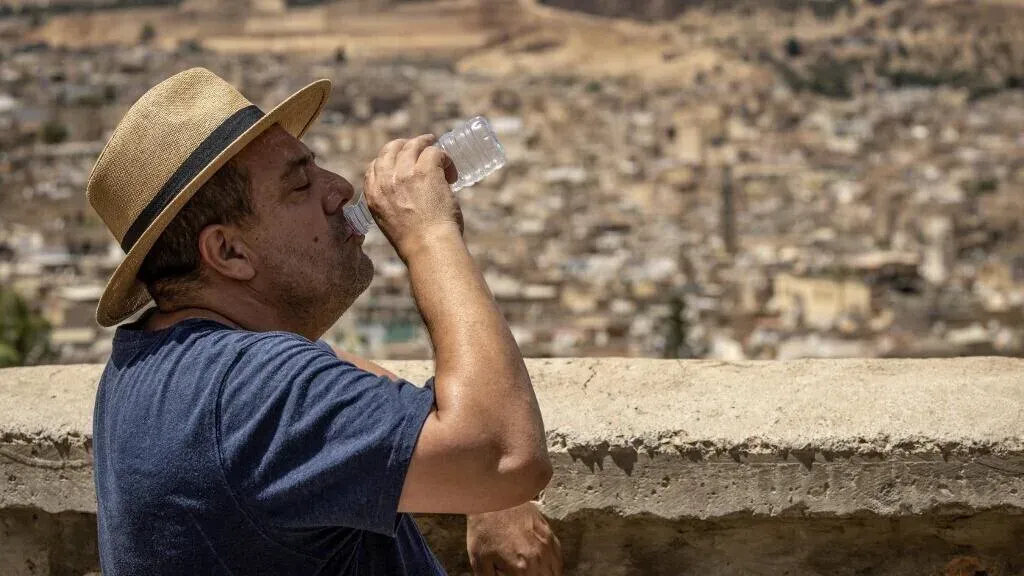
In recent days, the mercury has once again dipped, offering a brief respite to the Moroccan population; however, the question remains—how long will this relief last? The increasing frequency of heatwaves, exacerbated by climate change, presents a significant challenge that Morocco's healthcare system is ill-equipped to handle. Since May, the country has already experienced three distinct waves of extreme heat, transforming what was once considered an anomaly into a worrying new norm. Each summer, the thermometer reaches alarming levels, raising concerns about public health and safety.
Dr. Hamdi Tayeb, a researcher specializing in health policy and systems, highlights the critical gaps in Morocco’s health data. "Unfortunately, in Morocco, we lack precise, published, and official statistics regarding excess mortality and hospitalization rates. Tragically, we are likely far below the actual numbers," he states, emphasizing the underreporting of heat-related deaths. The tragic case of 21 individuals who perished in the hospital of Béni Mellal in 2024 served as a stark reminder of the deadly consequences of heatwaves, exposing the vulnerabilities of the healthcare system.
Dr. Tayeb advocates for a comprehensive reevaluation of health systems that includes not only infrastructural improvements but also enhanced training for healthcare professionals to meet contemporary challenges. "We need to rethink our health systems in terms of facilities. The training of doctors and other health professionals must adapt to our new realities. This will take time, but we must start with urgent measures. The immediate priority is to ensure that hospitals and clinics are air-conditioned. If we cannot cool all patient rooms, we must at least establish cold chambers to protect those at risk from extreme heat," he urges.
Since June, the Moroccan Ministry of Health has activated its annual national heatwave management plan, which aims to bolster emergency service capabilities. This proactive approach is crucial in addressing the growing health risks associated with rising temperatures and ensuring the safety and well-being of the Moroccan population in the face of ongoing climate challenges.