
Prolonged Drought Conditions in Morocco
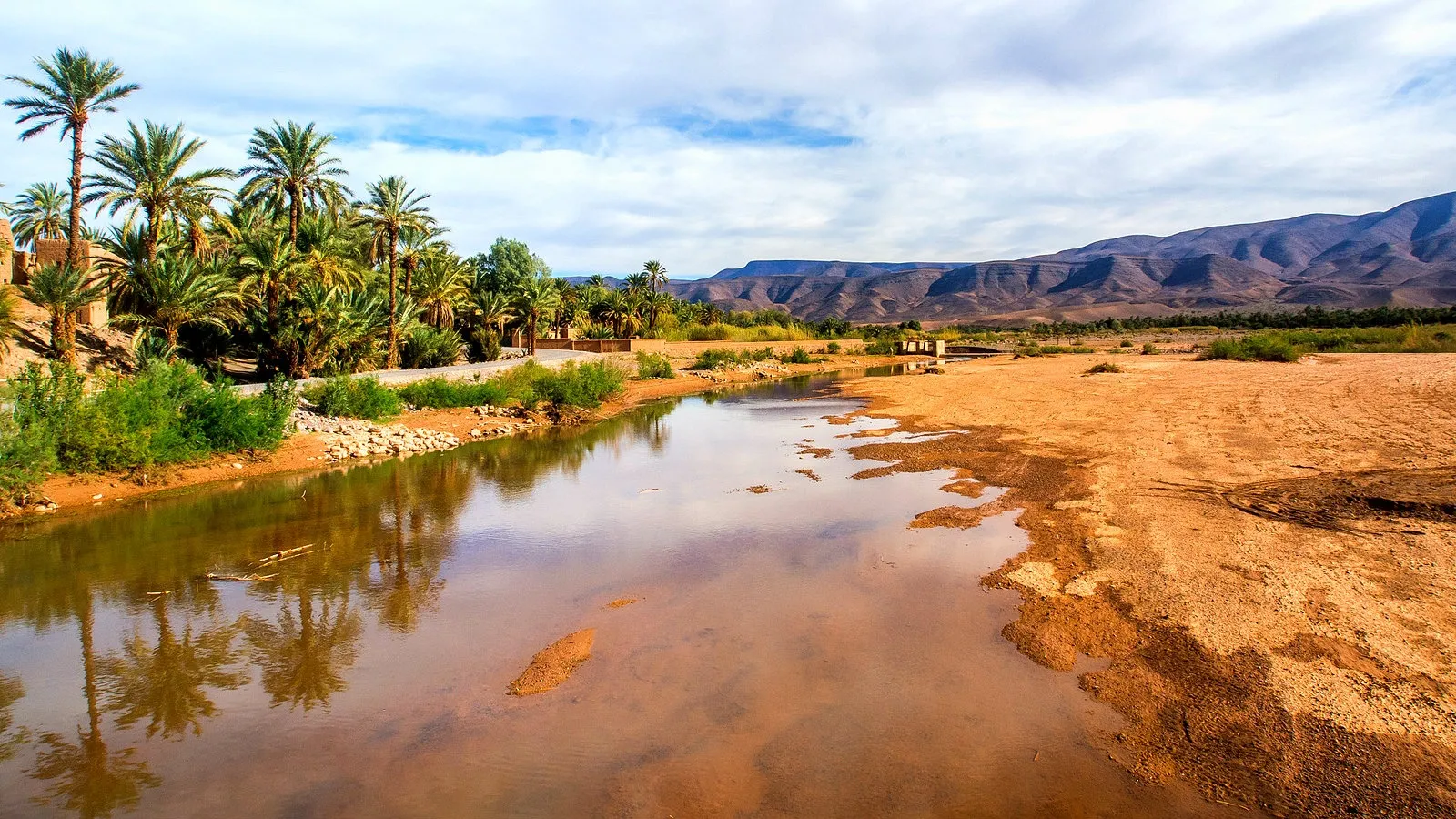
The report titled "Global Climate Status 2025" highlights that Morocco is currently experiencing a multi-year drought, with conditions in 2025 being drier than the average, despite a slight easing of severity towards the end of the year. This situation reflects the ongoing climatic pressures on the country’s water and agricultural resources, set against a regional backdrop of reduced precipitation compared to historical climatic averages, as well as the lingering impacts of drought spanning multiple seasons before limited signs of improvement emerged.
According to climate maps included in the report issued by the World Meteorological Organization on March 23, 2026, Morocco is situated within a broader region of Northwest Africa that has faced significantly dry conditions throughout 2025, with extensive areas recording precipitation levels below the norm. Meteorological experts suggest that the drought cycle affecting the region in recent years is likely to persist, attributing this phenomenon not to isolated factors but to global climatic patterns associated with major fluctuations such as El Niño and La Niña, which influence the distribution of rainfall and temperature. This has had a detrimental impact on hydrological balances and agricultural production, although signs of relative improvement in rainfall deficits were noted towards the end of the year, indicating that the phenomenon is not yet over.
Escalating Heat and Global Climate Trends
The report also emphasizes that most land areas, including North Africa, experienced temperatures surpassing averages recorded between 1991 and 2020. This indicates that Morocco has not only been affected by reduced rainfall but also by rising temperatures, a compounded factor that exacerbates water stress and intensifies the effects of drought, particularly in semi-arid regions where increased heat leads to higher evaporation rates and a depletion of both surface and groundwater resources.
Moreover, 2025 has been marked as one of the hottest years on record, with global average temperatures reaching 1.43 degrees Celsius above pre-industrial levels, categorizing it as either the second or third hottest year according to established databases. The last eleven years have been the hottest in modern climate records, showcasing a clear acceleration in the pace of global warming. The international report indicates that atmospheric carbon dioxide levels reached unprecedented heights, soaring to 423.9 parts per million in 2024, with continuing increases throughout 2025. Methane and nitrous oxide also hit record levels, further enhancing the greenhouse effect and disrupting the Earth’s energy balance, causing excess energy to accumulate within the climatic system rather than dissipating into space.
Additionally, ocean heat content reached an all-time high, continuing to break records for the ninth consecutive year, while sea levels rose at an accelerated pace compared to previous decades, currently standing approximately 11 centimeters above 1993 levels, reflecting the combined effects of water expansion and ice melt. The report underscores that glaciers have suffered significant mass loss, with eight out of the ten worst years for ice loss since 1950 occurring after 2016. The extent of sea ice in the polar regions has also dwindled to record or near-record levels, especially in the Arctic, indicating a global acceleration in ice melt.
The report concludes that the imbalance in the Earth’s energy has reached unprecedented levels since measurements began, serving as a critical indicator of accelerating warming, with roughly 91% of excess energy stored in the oceans, as opposed to lesser proportions in land, the atmosphere, and ice. This suggests that the climatic system continues to absorb heat at an increasing rate. Rapid changes in components of the climatic system—rising temperatures, increasing greenhouse gas concentrations, ocean warming, and ice melt—lead to cascading impacts on both natural and human systems, including food security, water scarcity, and displacement, particularly in vulnerable areas. This situation places regions like North Africa, including Morocco, in direct confrontation with the compounded effects of drought, rising temperatures, and increasing pressure on resources.
As reported by lakome2.com.