
Embracing Moroccan Culture in Gaming
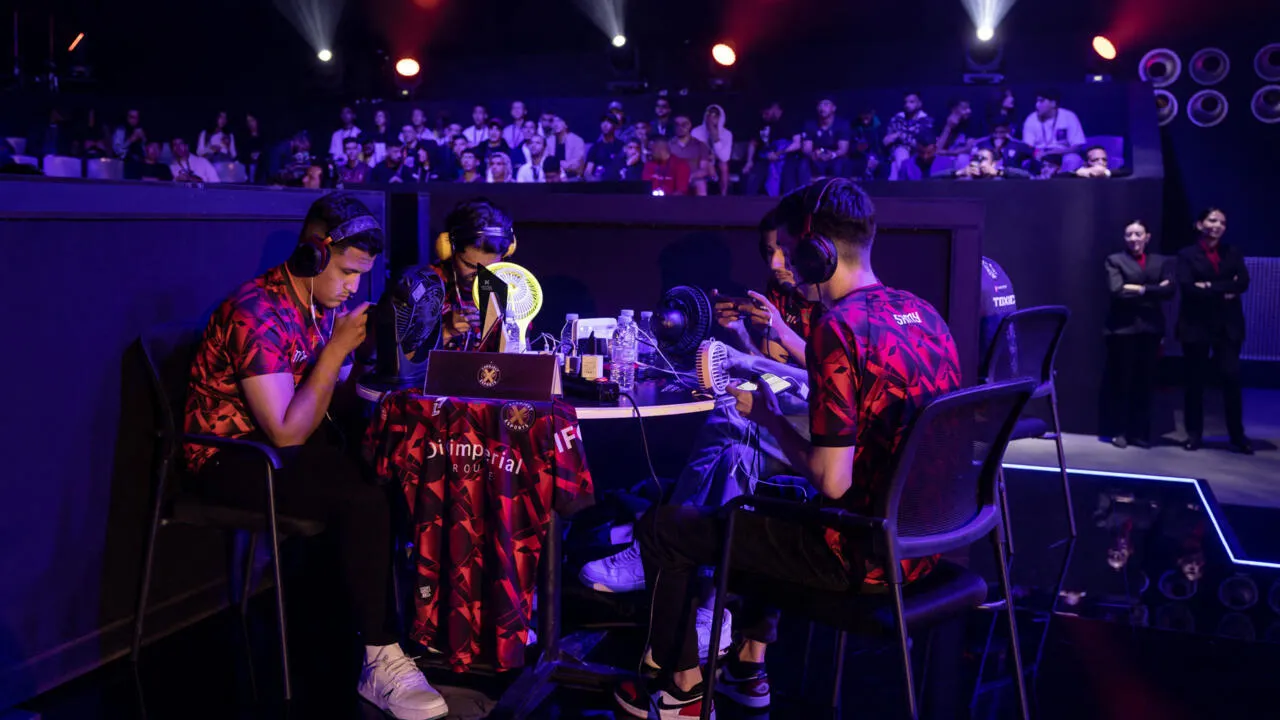
The Morocco Gaming Expo has emerged as a pivotal platform for young video game developers, showcasing a vibrant integration of Moroccan culture into their creations. Among the standout titles is "Casaphonia," a role-playing game deeply inspired by the superstitions and rituals of the Maghreb region. This game offers players a unique experience reminiscent of Grand Theft Auto (GTA), set against the backdrop of the bustling streets of Casablanca, featuring a Moroccan rapper as its protagonist and futuristic projects that captivate the imagination. The creativity displayed at the expo highlights the potential of Moroccan developers to infuse their local heritage into the global gaming landscape.
Innovative Ideas and Future Aspirations
At the expo, attendees were particularly intrigued by Casaphonia, developed by a team of young innovators, all under the age of 25. Ayman Jabbari, the director of AJB Studio, expressed pride in their project, stating, "This game is set in Morocco, and we aim to showcase our culture, our country, our streets, our cuisine, and our community. Video games serve as a universal language that connects us all." Having started developing games at just 15 years old, Jabbari dreams of attracting investors to further expand his projects. However, he faces challenges in finding local support, prompting him to seek opportunities abroad. His ambitions extend to creating a futuristic game set in Morocco in the year 2185, envisioning a world filled with flying cars and advanced technologies that reflect the dreams of his youth.
Morocco's government has recognized the significance of the gaming industry and has set a goal to capture 1% of the global market by 2030. This initiative has been welcomed by local creators, even as they navigate numerous challenges. Othman Elamrami, another young developer, financed his studio independently and dedicated four months of tireless effort to produce "Zouhri, le sang maudit," an immersive horror game infused with elements from Moroccan folklore, such as trance dancers and the rich sounds of gnawa music. Elamrami emphasizes the importance of utilizing local culture rather than mimicking international studios like Capcom. The Moroccan gaming sector aspires to generate between 5,000 and 10,000 direct jobs by 2030, underscoring the community's commitment to elevating its creative industry.
As reported by rfi.fr.