
Morocco's Commitment to Sustainable Fisheries
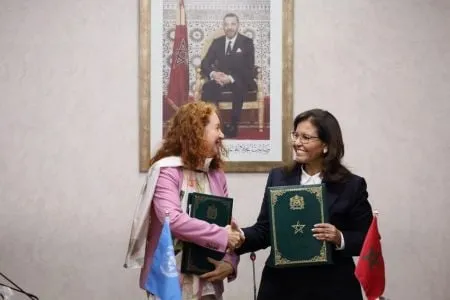
In a significant move towards sustainable marine resource management, Morocco has officially joined the Global Marine Commodities 2 (GMC2) project as of March 10. This initiative, announced by the country's Secretary of State for Maritime Fisheries, aims to address pressing issues such as overfishing and illegal fishing practices that threaten the sustainability of marine resources. The GMC2 project is a five-year program led by the United Nations Development Programme (UNDP) and financed by the Global Environment Facility, already active in five other countries including Mauritania, Senegal, Ecuador, Guatemala, and Panama.
The GMC2 project leverages the expertise of the Sustainable Fisheries Partnership (SFP), which specializes in promoting sustainable fishing practices and developing marine supply chains. Specifically, the project aims to integrate environmental sustainability and social responsibility criteria into marine supply chains, while also enhancing governance of marine fisheries and increasing the value of products procured through sustainable fishing practices. In Morocco, the project will focus on small-scale pelagic fisheries, particularly sardines and anchovies, with interventions designed to bolster the sustainability of these fisheries and encourage the consumption of responsibly sourced products.
Addressing Challenges and Strengthening Partnerships
The urgency of this initiative is underscored by the pressures currently affecting fish availability in Morocco. In June 2025, the National Union of Fish Canning Industries (UNICOP) raised concerns about dwindling fish stocks, highlighting a significant drop in sardine landings from 965,000 tons in 2022 to 525,000 tons in 2024 due to factors such as juvenile capture, ineffective illegal fishing enforcement, and inadequately timed biological rest periods. Morocco's integration into the GMC2 project aligns with a broader strategy to enhance the sustainable management of marine resources, as evidenced by previous agreements, such as the February 2025 memorandum signed by the Moroccan Confederation of Industrial Pelagic Shipowners (COMAIP) to harmonize sustainable fishing practices in Africa.
Moreover, Morocco has also extended its scientific expertise to assist Benin, Liberia, and Côte d'Ivoire in evaluating their fish stocks through prior agreements signed during the Blue Belt Initiative's high-level conference. These collaborative efforts reflect an increasing recognition of the need for sustainable fisheries management, as the pressures on fish stocks compel African coastal nations to improve governance mechanisms within the sector. According to data compiled by the FAO, Morocco's fish catches reached 1.39 million tons in 2023, accounting for 13.2% of the total African supply, which is estimated at 10.5 million tons for the same year.
As reported by agenceecofin.com.