
Critical Gaps in Morocco’s Environmental Strategy
Morocco faces a significant environmental crisis, as highlighted by a recent report from the Economic, Social and Environmental Council (CESE), which reveals that the country still lacks an official national list of endangered ecosystems and a comprehensive biodiversity map. This deficiency poses a serious threat not only to the country's rich biodiversity but also to the ecological foundations that underpin rural livelihoods and contribute to long-term economic stability. As environmental degradation accelerates due to climate change, urban expansion, and intensive agricultural practices, the absence of a systematic approach to identify and protect vulnerable natural areas becomes increasingly alarming.
While Morocco is recognized as one of the Mediterranean region's most biodiverse countries, the report emphasizes that current environmental protection efforts are fragmented and inadequately integrated into public policy frameworks. It underscores that the issue of biodiversity transcends mere environmental concern; it is intricately linked to national strategic interests such as food security, water resource management, agricultural sustainability, and climate resilience. The report notes a troubling lack of awareness regarding biodiversity issues, which varies significantly across different sectors and stakeholders. This narrow focus often leads to the treatment of biodiversity through isolated approaches rather than as a critical component of comprehensive economic and territorial planning.
Impact of Environmental Degradation on Ecosystems
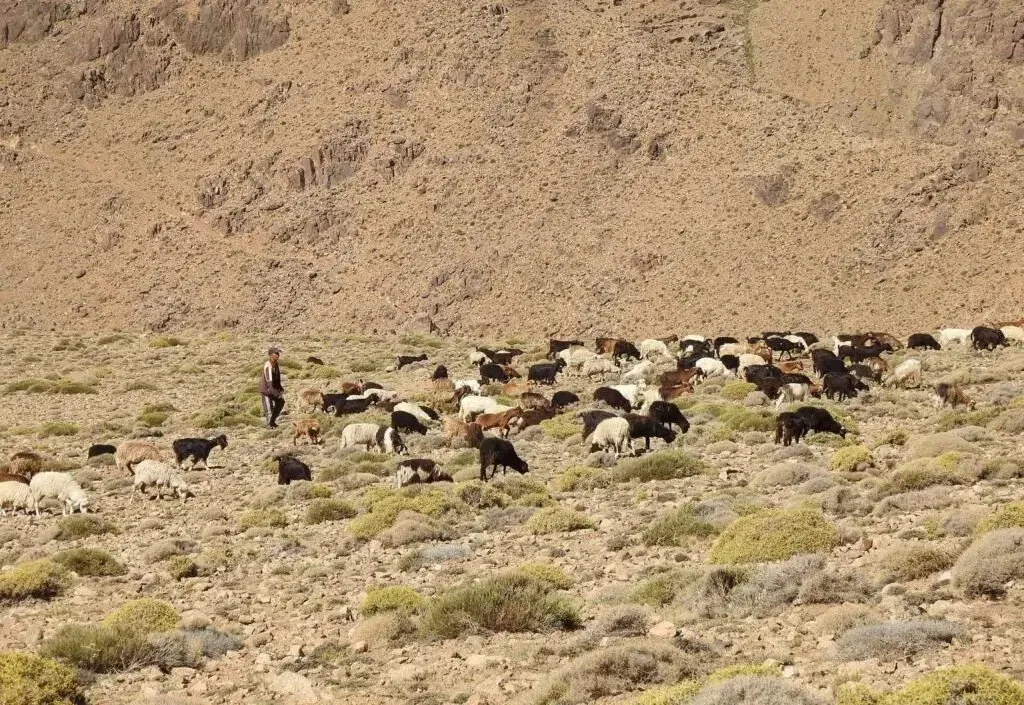
CESE raises serious concerns about the weak integration of biodiversity considerations into public decision-making processes. The report highlights a persistent failure to effectively incorporate biodiversity into planning mechanisms and policy priorities. As various Moroccan ecosystems come under increasing strain, the situation is becoming dire. For instance, in the Oriental region, over 17,000 square kilometers of grazing land have suffered degradation. Traditional oasis systems are in decline, and cactus plantations have been devastated by cochineal infestations. In the Souss-Massa region, biodiversity losses have surpassed 80% due to the expansion of intensive greenhouse farming practices.
The report also notes the alarming disappearance of several animal species from Morocco in the last century, including the Atlas lion and significant desert herbivores such as the addax and scimitar oryx. CESE argues that the country’s environmental challenges are no longer limited to wildlife protection. Healthy ecosystems serve as natural infrastructure, regulating water resources, protecting soils, supporting agriculture, and mitigating the impacts of climate-related shocks. If Morocco does not strengthen its monitoring systems and improve environmental governance, it risks losing not just its biodiversity, but also the ecological foundations essential for sustaining rural livelihoods and ensuring long-term economic stability.
As reported by moroccoworldnews.com.