Morocco's Ambitious Hotel Expansion for the 2030 World Cup
In a significant move to accommodate the influx of visitors for the 2030 World Cup, Morocco has set plans to enhance its hotel capacity by adding 60,000 beds, which represents an approximate 20% increase from its current capacity. This announcement was made by the Minister of Tourism, Fatim-Zahra Ammor, and reflects the nation's aspirations as it prepares to co-host the prestigious tournament alongside Spain and Portugal. Currently, the kingdom's hotel capacity stands at around 300,000 beds, and with this extension, it will surpass 360,000, ensuring a robust infrastructure to support the anticipated surge in tourism.
Investment and Infrastructure Development
To facilitate this expansion and upgrade its overall infrastructure, Morocco is poised to invest more than 190 billion dirhams. This investment will not only enhance hotel accommodations but will also focus on vital infrastructure improvements, including the development of railway and road networks, airport expansions, stadiums, and urban facilities. The tourism sector is pivotal for Morocco, contributing about 7% to the nation's GDP and employing hundreds of thousands. By 2030, the Moroccan government aims to attract 26 million tourists annually, a substantial increase from nearly 20 million projected for 2025. The Minister emphasized that the World Cup represents an opportunity for long-term growth, viewing it as a catalyst for sustainable tourism and economic development rather than merely a one-time event.
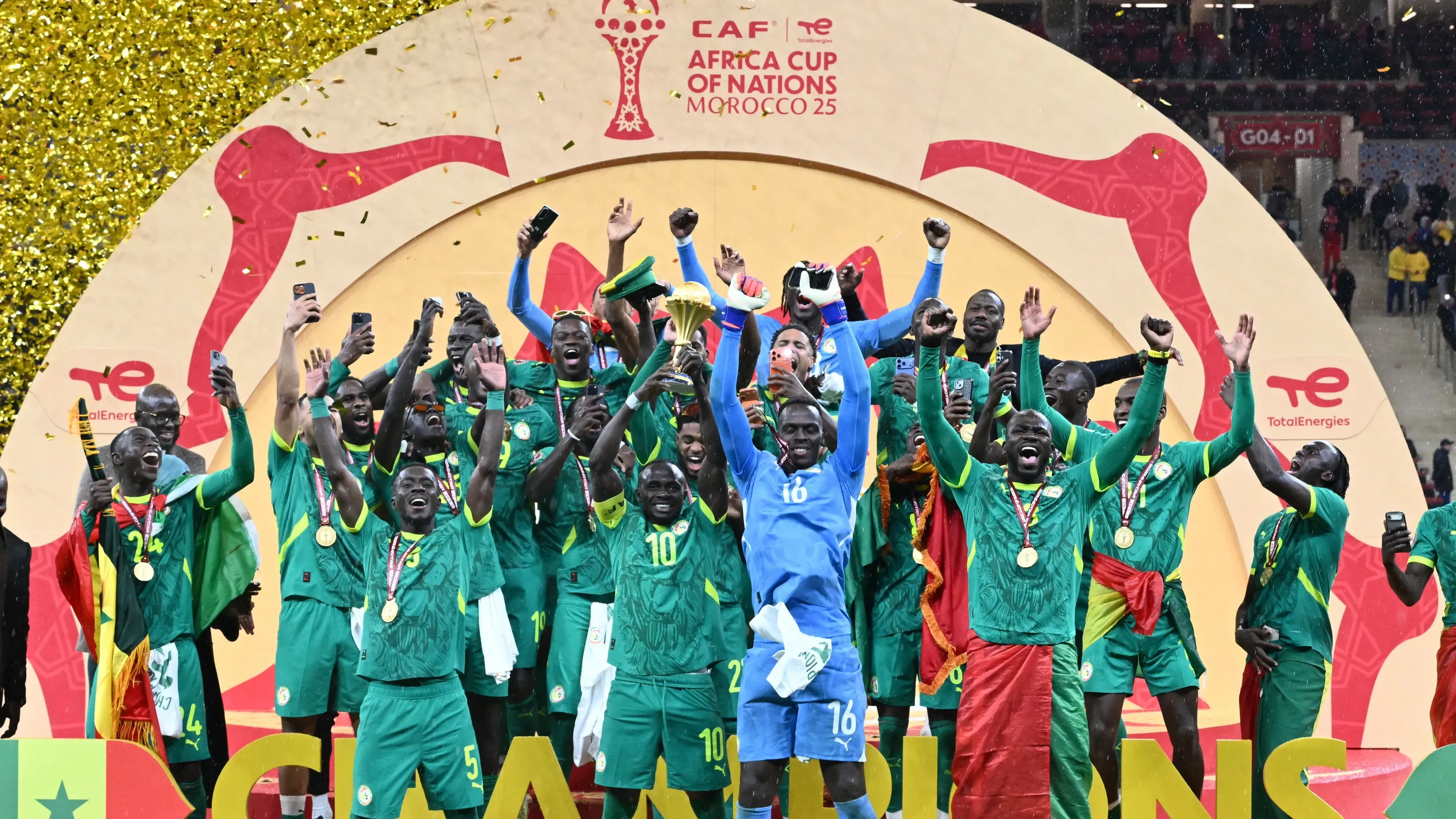
Furthermore, Morocco is keen to leverage the international visibility gained from its national team's remarkable performance as a semi-finalist in the 2022 World Cup in Qatar. The country aims to diversify its tourism offerings, moving beyond popular destinations like Marrakech and Agadir, and is focusing on improving air connectivity with Europe while also establishing links to markets in China, the United States, and the Middle East. The overarching goal is to position the 2030 World Cup as a driver for significant investments and long-term tourism development, maximizing the benefits of hosting such a monumental global event.
As reported by aa.com.tr.