
Morocco's Upcoming Legislative Elections: A New Era of Oversight
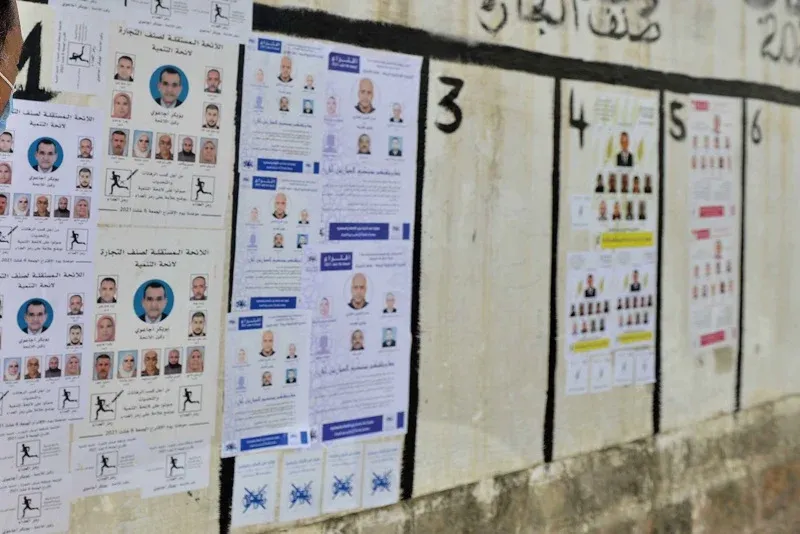
The Moroccan political landscape is bracing itself for its upcoming legislative elections, scheduled for September 23, 2026. This election marks the sixth of its kind since King Mohammed VI ascended to the throne in 1999, following previous elections held in 2002, 2007, 2011, 2016, and 2021. The announcement of this election date was made well in advance, a departure from the norm in previous electoral cycles, and is intended to align with the directives of the royal address delivered during last year’s Throne Day celebration.
As reported by sources, this upcoming election will introduce unprecedented regulations aimed at curbing misconduct among candidates and political parties. A comprehensive legal framework has been established to ensure strict adherence to electoral integrity, effectively 'filtering' potential disruptors from participating in the election process.
Political analyst Abd al-Hakim Al-Ayat emphasizes that as the nation gears up for the 2026 elections, there is a renewed dialogue surrounding the effectiveness of previously instituted measures designed to enhance youth representation within elected bodies. Despite the intention behind these initiatives, past experiences have revealed that some strategies have not yielded the anticipated results. This is not necessarily due to the inherent weaknesses of the measures themselves but rather stems from issues related to party governance and a lack of meritocratic standards in candidate selection.
Moreover, many political parties continue to be plagued by aging leadership and insufficient internal turnover, which hampers the emergence of young leaders capable of navigating the evolving societal landscape. Current political realities necessitate innovative approaches to rebuild trust between the youth and the political sphere, aiming to foster greater engagement and participation.
Dr. Abdelilah Satti, a professor of political science and constitutional law at Ibn Zohr University in Agadir, notes that financial influence will remain a significant factor in the voting process for the upcoming parliament, albeit varying by electoral district, competitiveness, party organization, and the fragility of social conditions. He highlights a contradiction in the official discourse of political parties, which profess adherence to integrity and transparency in candidate selections, yet continue to employ traditional methods of candidate recruitment, demonstrating a reliance on financial resources and local networks over genuine commitment to party principles.
Local Governance Challenges and Community Concerns
Turning to local governance, the "Weekly Journal" reported on the situation in Sidi Rahal Beach, located in the Berrechid province, which is currently facing significant local management issues. The municipal council is embroiled in controversies due to the deputy mayor's control over various files and decisions, leading to public outcry and dissatisfaction. The lack of effective social programs is evident as citizens flock to the municipal offices seeking assistance, highlighting deficiencies in social governance.
Local stakeholders have criticized the municipal council for its failure to establish a clear developmental vision for the small town, which, despite being a summer tourist destination, grapples with numerous structural and infrastructural challenges. Calls for improved local governance, active citizen engagement, and the establishment of partnerships for sustainable development are growing louder as the community seeks to address these pressing issues.
In a related report, residents of the Al-Jurf community in the Errachidia province are experiencing exclusion and deprivation, particularly concerning compensation for damages incurred during recent flooding. Many homes have suffered significant damage, yet compensation processes have lagged, forcing families to seek temporary housing solutions under difficult conditions. This ongoing crisis illustrates the urgent need for responsive governance and support for affected communities.
Additionally, the Tangier Med Port, one of the Mediterranean’s crucial maritime arteries, is facing unprecedented logistical pressures that have disrupted supply chains and caused significant container backlogs. This situation has arisen from profound shifts in global shipping routes, compelling major shipping lines to redirect their paths, thus placing extraordinary burdens on the Moroccan port infrastructure. Experts suggest that accelerating the operational readiness of the Nador West Med Port could provide a much-needed relief valve, redistributing trade flows efficiently and enhancing Morocco's competitive edge in the global maritime sector.
In summary, as Morocco approaches its legislative elections, the interplay between established norms and emerging challenges within both local governance and national politics will play a critical role in shaping the future trajectory of the nation. The ongoing dialogue around electoral integrity, youth representation, and effective governance will be essential as the country seeks to navigate these transformative times.
As reported by hespress.com.