
Morocco's Upcoming Legislative Elections: A New Era of Governance
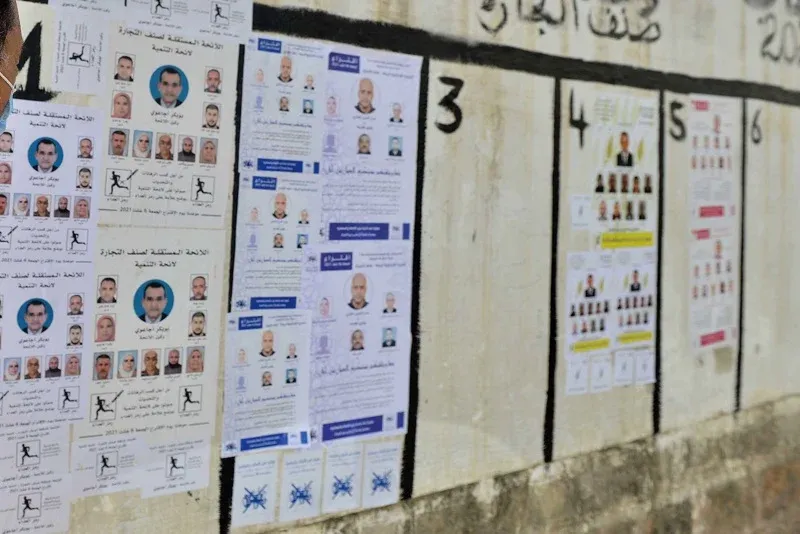
As Morocco gears up for its upcoming legislative elections scheduled for September 23, 2026, the nation stands on the brink of a significant political event, marking its sixth parliamentary election since King Mohammed VI ascended to the throne in 1999. Unlike previous elections, the announcement of this date comes well in advance, aligning with the royal speech delivered during the Throne Day celebrations last year, which emphasized the need for transparency and accountability in the electoral process.
According to sources from the weekly publication "Les Échos," this election is set to be unprecedented, as it will operate under strict regulations that prohibit any misconduct by candidates or political parties. The new electoral law aims to eliminate any potential for corruption or electoral malpractice, ensuring a fair and equitable electoral environment. This move is seen as a response to historical challenges and aims to restore public trust in the political process.
Political analyst Abdel Hakim Al-Ayyat highlighted the ongoing discussion about the effectiveness of measures previously implemented to enhance youth representation within elected institutions. Past experiences have shown that while certain initiatives aimed at integrating young people into politics have been launched, they have not always achieved the desired outcomes. This is attributed not only to weaknesses in the measures themselves but also to issues related to party governance and a lack of meritocratic criteria in candidate selection.
Moreover, many political organizations continue to grapple with an aging leadership, which stifles opportunities for young leaders who can adapt to societal changes. There is an urgent need for innovative strategies to rebuild trust between the youth and the political landscape, ensuring that young voices are heard and represented adequately.
Challenges Ahead for the Political Landscape
Dr. Abdel Ilah Satti, a political science and constitutional law professor at Ibn Zohr University in Agadir, emphasized that financial influence will play a significant role in the voting dynamics for the next parliament, varying by electoral district and the level of competition. He pointed out a troubling contradiction between the official rhetoric of political parties, which espouses principles of integrity and transparency, and their actual practices, which often resort to traditional methods of attracting candidates. Despite claims of prioritizing criteria such as competency and party loyalty, the prevailing reality reveals a greater emphasis on financial resources and local networks.
In addition to the political preparations, the weeklies also reported on various local governance challenges, particularly in the town of Sidi Rahal in the Berrechid province, where local management issues have raised concerns regarding development. Disputes within the municipal council have become evident, particularly due to the deputy mayor's control over key decisions, which has sparked considerable controversy. Local residents have voiced their frustrations, highlighting a lack of effective social programs to address community needs.
Furthermore, in the region of Rachidia, residents of the Al-Jarf community are facing exclusion and deprivation regarding compensation for damages caused by recent floods. Despite significant property damage, the compensation process has been delayed, forcing many families to seek temporary housing under difficult circumstances. This situation underscores the pressing need for effective governance and responsive local administration.
As Morocco approaches these legislative elections, stakeholders across the political spectrum are called to prioritize integrity, transparency, and genuine representation to foster a more responsive and accountable government. The outcomes of this election could significantly shape the future political landscape of the nation, making it a pivotal moment for Moroccan democracy.
As reported by hespress.com.