Morocco Sets the Stage for the 2030 World Cup
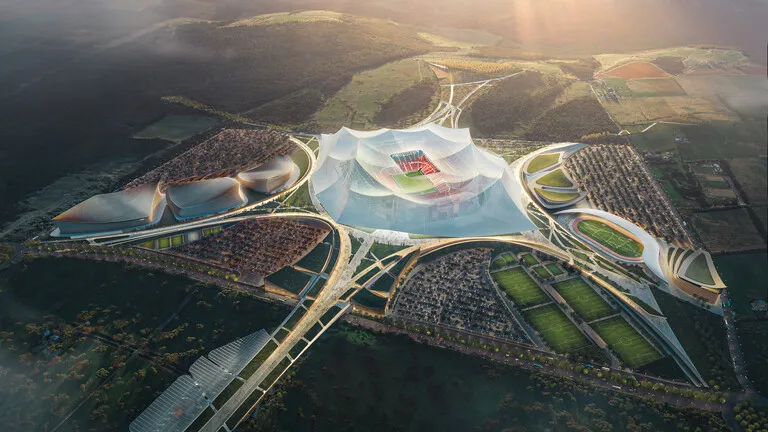
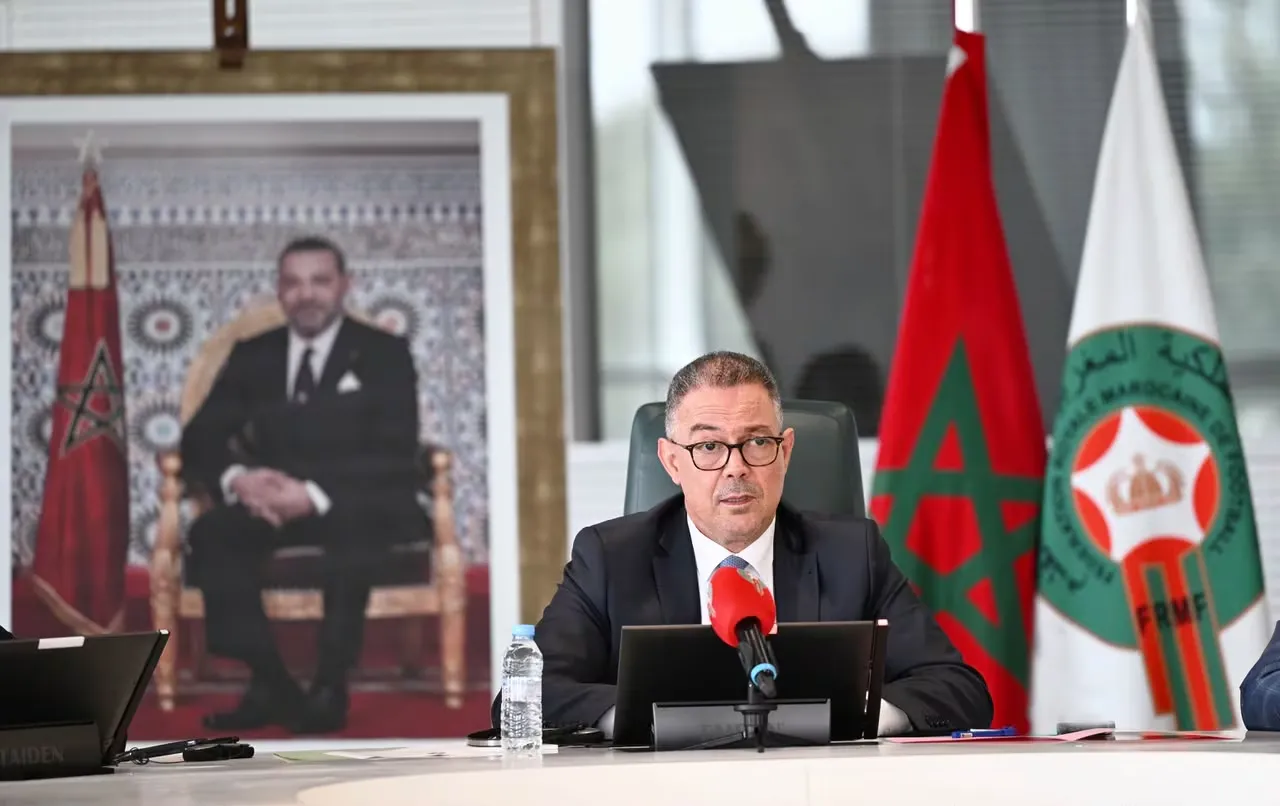
On July 16, 2026, the Royal Moroccan Football Federation (FRMF) convened its board of directors to address one of its most significant undertakings: the co-hosting of the 2030 FIFA World Cup alongside Spain and Portugal. During this pivotal meeting, FRMF President Fouzi Lekjaa underscored the necessity of a comprehensive mobilization from all stakeholders involved to ensure the success of this historic event. He articulated that the organization of the World Cup is not merely a sporting event but a strategic initiative that aligns with the vision of King Mohammed VI, aiming to utilize the World Cup as a catalyst for development that transcends sporting boundaries.
Fouzi Lekjaa emphasized the monumental challenge that lies ahead for Morocco, asserting that the success of such a grand-scale event hinges on meticulous planning and collaboration at every stage. The president highlighted the importance of shifting from a passive observation role to an active participation in the preparations, thereby calling on all actors in the national football scene to contribute effectively to achieving the ambitious goals set for 2030 and beyond. The urgency for immediate action was clear; Lekjaa insisted on the need for enhanced coordination among various institutions involved in the project to facilitate a seamless and efficient preparation process.
Strengthening Infrastructure and Governance
In a strategic move, Lekjaa announced that the organization of the 2030 World Cup will be spearheaded by the newly established Morocco 2030 Foundation, in collaboration with the FRMF. This partnership aims to ensure that both entities work closely together for a coherent and effective preparation. Beyond just the logistics of hosting, the FRMF has set its sights on modernizing the operational frameworks of national leagues, urging them to elevate their performance standards to meet the expectations of the World Cup and to enhance the profile of Moroccan football on both continental and international stages.
Through this meeting, the Federation made it clear that their preparations for the 2030 World Cup will extend beyond infrastructure development. There is a strong commitment to modernizing governance methods and coordinating the efforts of all involved parties to guarantee that Morocco is well-equipped to host the most significant event in world football under optimal conditions. As the world’s attention turns to Morocco, Spain, and Portugal after the conclusion of the current World Cup, a new chapter will begin, characterized by continuous oversight from FIFA and an intensification of preparatory activities.
As reported by sport.le360.ma.