
Morocco Surpasses South Africa in Industrialization
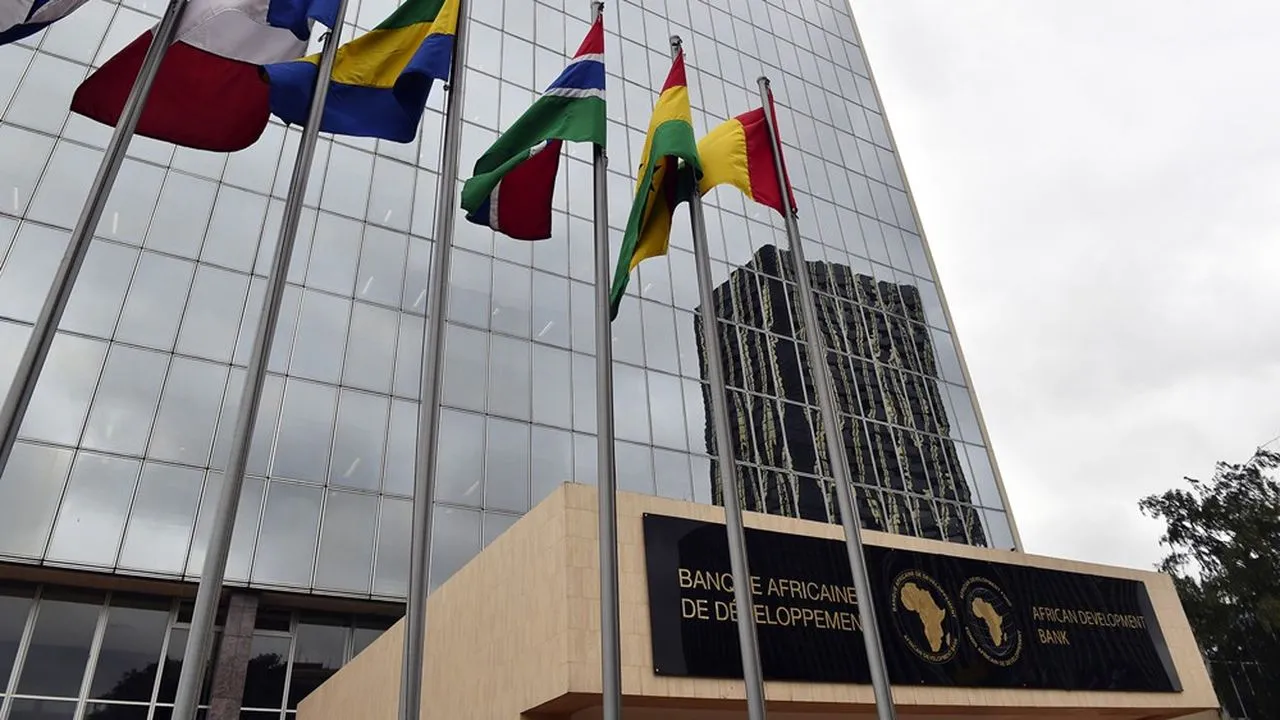
In a remarkable achievement, Morocco has recently overtaken South Africa to become the leading industrial economy on the African continent, as highlighted in the 2025 edition of the African Industrialization Index released by the African Development Bank (AfDB) during its annual meetings in Brazzaville. This significant ranking is attributed to Morocco's sustained industrial upgrading, the diversification of its export portfolio, and a robust industrial policy. The report indicates that Morocco has effectively leveraged its industrial capabilities to enhance its competitive edge, thereby solidifying its position in the global marketplace.
Continental Industrial Dynamics and Challenges
While South Africa remains a key industrial power, it is facing a gradual decline in competitiveness, according to the AfDB. The report further notes that North and Southern Africa continue to lead in industrial production and export sophistication, whereas regions such as East, West, and Central Africa lag behind. The index evaluates the industrial development of 54 African countries from 2010 to 2024 and reveals that 41 of these countries have improved their industrialization scores, with an overall continental performance increase of 6%. Notably, the most significant gains are observed in the least developed economies, indicating a slow but steady convergence within the continent.
Despite these advancements, Africa still accounts for less than 2% of the global manufacturing output and merely 1.4% of manufactured exports, with per capita manufacturing value added falling below pre-2014 levels. Ousmane Fall, the AfDB's director of industrial and commercial development, emphasized that this report serves as both a roadmap and a diagnostic tool, stressing that large-scale industrialization necessitates more resilient infrastructures, localized value creation, and financing that is tailored to African realities.
The reports also highlight the persistent weakness in the continent's industrial integration, with intra-African trade comprising only 14.4% of total trade. This reflects limited regional productive links and fragmented industrial ecosystems. The African Industrial Investment Barometer further reveals that North Africa excels in three critical dimensions: industrial diversification, investment attractiveness, and productive anchoring. Between 2020 and 2025, the region attracted 56% of the cumulative industrial investment on the continent, with Morocco and Egypt at the forefront.
Experts, including Harouna Kaboré, president of WITBA Invest SA and an AfDB partner in developing the barometer, argue that the continent's main deficit is not the absence of industrial strategies but rather their implementation. Challenges such as the inconsistency of public policies and the lack of coherence among financing, energy, infrastructure, human capital, and governance must be addressed. To foster true economic corridors and high-quality cross-border infrastructures, the reports call for moving beyond mere tariff reductions within the framework of the African Continental Free Trade Area.
Moreover, the necessity for reliable and competitive energy access, long-term financing in local currency, investment in technical skills, and the decarbonization of African industries are emphasized to prevent potential penalties from carbon adjustment mechanisms expected in Europe and the United States.
As reported by medias24.com.