Morocco's Economic Resilience Amid Middle Eastern Turmoil
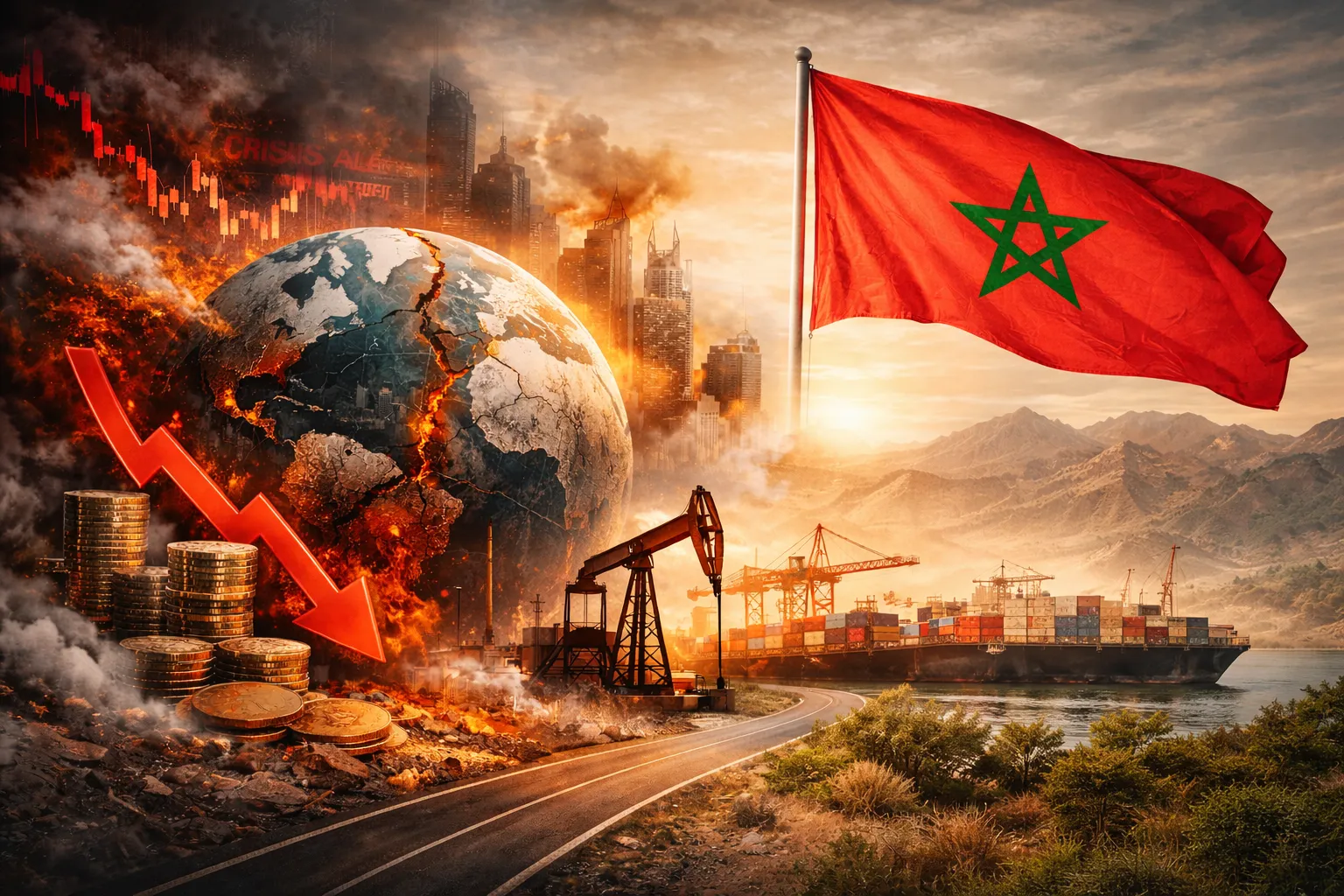
In a recent report published by the American credit rating agency S&P Global Ratings, Morocco has been identified as one of the African economies least exposed to the economic repercussions stemming from the ongoing conflict in the Middle East. This finding highlights the relatively robust macroeconomic indicators of the kingdom amidst a global landscape characterized by heightened risks and uncertainties. The report places Morocco at the bottom of the ranking, specifically 25th out of 25 African nations assessed, indicating its minimal vulnerability to regional risks based on five key indicators. These include the country's trade reliance on the Middle East, exposure to energy shocks, external fragility, foreign exchange reserves, and public debt dynamics.
The data illustrates that Morocco's commercial ties to the Middle East are limited, as its imports from the region constitute only 6.8% of total imports, compared to an African average of 11%. Additionally, Moroccan exports to the Middle East are a mere 1.1%, starkly lower than the continental average of 14%. This situation reflects a low degree of direct exposure to the fluctuations occurring in this volatile region. Moreover, the report estimates Morocco’s net exposure to oil and gas trade with the Middle East at approximately negative 5.8% of its gross domestic product (GDP), while fuel subsidy costs amount to around 1.4% of GDP, with a current account deficit of about 2.5%. These levels have been considered 'moderate' in comparison to several other African economies.
Furthermore, the financial indicators highlighted in the report reveal that Morocco's foreign currency reserves cover approximately 5.5 months of imports, surpassing the African average of about three months and bolstering the economy's ability to absorb external shocks. The inflation rate is recorded at 1.8%, with net public debt standing at 64.1% of GDP and interest payments on debt representing 7.7% of revenues. These figures are regarded as favorable when compared to regional averages. The report also emphasizes the development of the domestic financial market as an additional stabilizing factor, reducing pressures associated with external financing and enhancing the state's capacity to mobilize resources internally.
In March 2026, S&P Global Ratings reaffirmed Morocco's sovereign rating at 'BBB-/A-3' with a stable outlook, maintaining the kingdom within the investment grade category, which is among the highest ratings on the African continent. On a continental scale, the report warns of the consequences stemming from the escalation of conflict in the Middle East since late February 2026, noting a rise in oil prices by nearly 50% since the beginning of the year, with an average expected price of around $85 per barrel for the remainder of the year. This upward trend is likely to exert additional pressure on the budgets of African energy-importing nations.
Additionally, the report points out that increasing costs for fuel and fertilizers, coupled with tightening financing conditions in global markets, will exacerbate inflationary and financial pressures in several countries, particularly those heavily reliant on imports or facing financial fragility. In contrast, nations such as Egypt, Mozambique, and Rwanda are highlighted as being among the most susceptible to these shocks, while oil-exporting countries like Nigeria, Angola, and Congo-Brazzaville benefit from improved terms of trade.
Ultimately, the report concludes that Morocco's external financial position, along with the diversification of its economic structure, provides it with a better capacity to absorb shocks related to geopolitical fluctuations compared to many of its counterparts on the continent.
As reported by al3omk.com.