Morocco Designated as a Leading Example for South-South Agricultural Cooperation
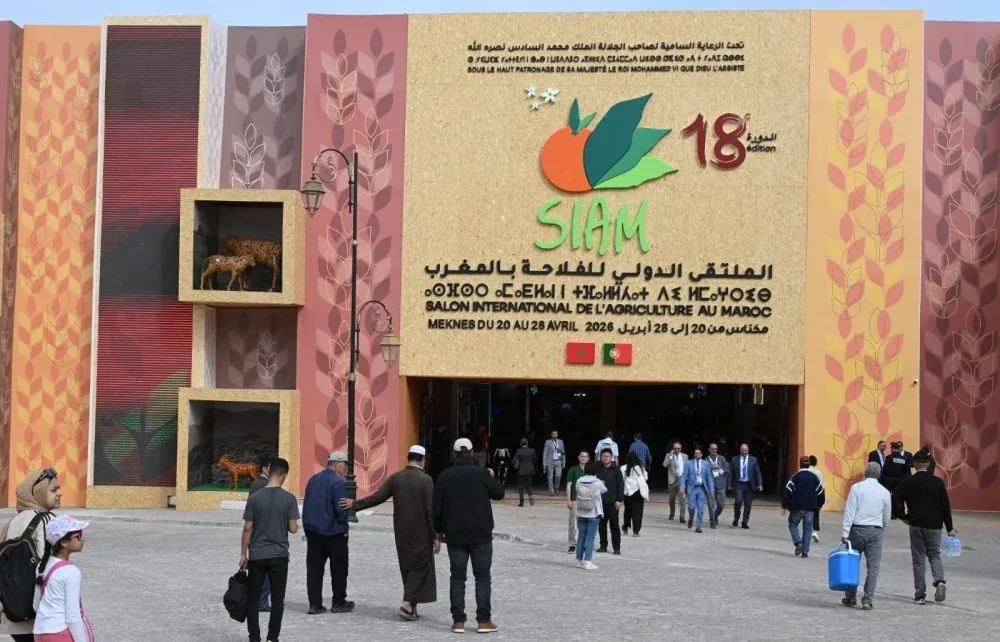
The Food and Agriculture Organization (FAO) of the United Nations has officially recognized Morocco as a benchmark country for the transformation of agri-food systems, highlighting its role as a premier model for South-South cooperation in agriculture. This significant acknowledgment was made public during the SIAM 2026 event in Meknès, presented by Alexandre Huynh, the FAO Representative in Morocco, during a high-level panel discussion held alongside the 18th edition of the salon.
Huynh characterized Morocco as a nation making substantial strides in agri-food system transformation, showcasing a determination that has positioned it as a reference point for other developing countries, particularly within Africa, seeking guidance and collaborative opportunities. The FAO's declaration carries considerable institutional weight, as the organization's representatives are not known for diplomatic exaggeration, and their designation of Morocco as a South-South reference is based on careful observations from their fieldwork across the continent.
Key Pillars of Morocco's Recognition
Two main factors underpin the FAO's favorable assessment of Morocco's agricultural transformation. Firstly, the country's ability to maintain a long-term strategic vision for agriculture, despite facing short-term challenges, has been commendable. The Green Generation 2020-2030 strategy, which succeeded the earlier Green Morocco Plan, has ensured a consistent direction across successive governmental administrations. This has allowed Morocco to navigate through drought cycles, volatility in commodity prices, and post-pandemic disruptions while remaining steadfast in its structural reform goals. Huynh emphasized that this unwavering consistency is a vital component of Morocco's credibility as a developmental model.
The second pillar is the robust multi-sectoral coordination that Morocco exhibits. Huynh pointed out that the complexity of transforming agri-food systems necessitates collaboration among various ministries, regulatory bodies, extension services, cooperative structures, and private-sector stakeholders working within a unified framework. Morocco is reportedly making significant efforts to strengthen this coordination, a process that the FAO believes can be effectively replicated in other nations at similar stages of agricultural development.
The timing of this designation is particularly advantageous for Morocco, as the country is poised for one of its most fruitful harvest seasons in years. With a cereal output projected at nearly 90 million quintals, dam reservoirs operating at 76 percent capacity, and strong yields in both tree crops and livestock, Morocco's agricultural sector is thriving. The SIAM 2026 event, which attracts participants from 70 countries, features 1,500 exhibitors and anticipates 1.1 million visitors, further amplifies the strategic significance of the FAO's recognition, enhancing Morocco's image as a serious contender in the global agricultural arena.
As reported by northafricapost.com.