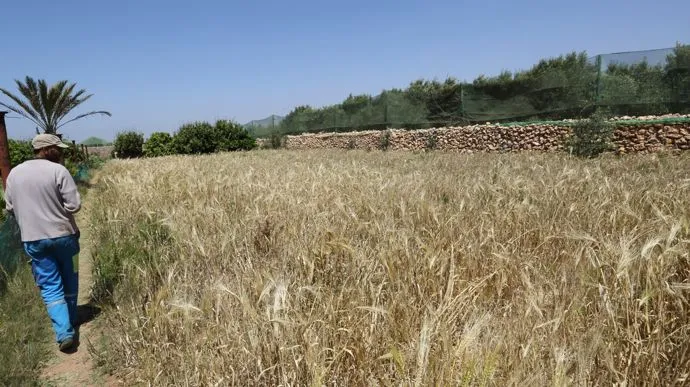
Morocco is poised to witness a remarkable surge in its cereal production, with expectations of more than doubling output for the agricultural season of 2025-2026. The government forecasts a production of nearly 90 million quintals, a significant increase from 44 million quintals recorded in the previous season. This optimistic projection was announced by the Moroccan Minister of Agriculture, Ahmed El Bouari, during the International Agricultural Fair held in Meknès on April 21, 2026. The anticipated rise in production is attributed to beneficial winter rains that have revitalized agricultural prospects in the region.
Over the past several years, Morocco's agricultural sector has faced severe challenges due to prolonged drought conditions, which have significantly impacted crop yields. Agriculture is a critical sector for Morocco, contributing approximately 12% to the national GDP and employing about one-third of the active population. Despite global energy price surges linked to geopolitical tensions in the Middle East, Morocco's economy is projected to grow by 5% in the first quarter of 2026, following a 4.1% growth in the last quarter of 2025, largely driven by agricultural activity, as noted in a recent report by the High Commission for Planning.
The area planted with cereals has expanded to approximately 3.9 million hectares, a notable increase from 2.6 million hectares during the 2024-2025 agricultural campaign. While the winter rains have been advantageous, they have also brought challenges; severe flooding in December resulted in 37 fatalities in Safi, marking the deadliest weather-related incident in Morocco in the past decade. Further heavy downpours in February led to additional fatalities and the evacuation of over 180,000 residents in northern regions, with significant flooding affecting 110,000 hectares across the northwest areas of Larache, Kénitra, Sidi Kacem, and Sidi Slimane.
As reported by lafranceagricole.fr.