
Enhancing Economic and Diplomatic Cooperation
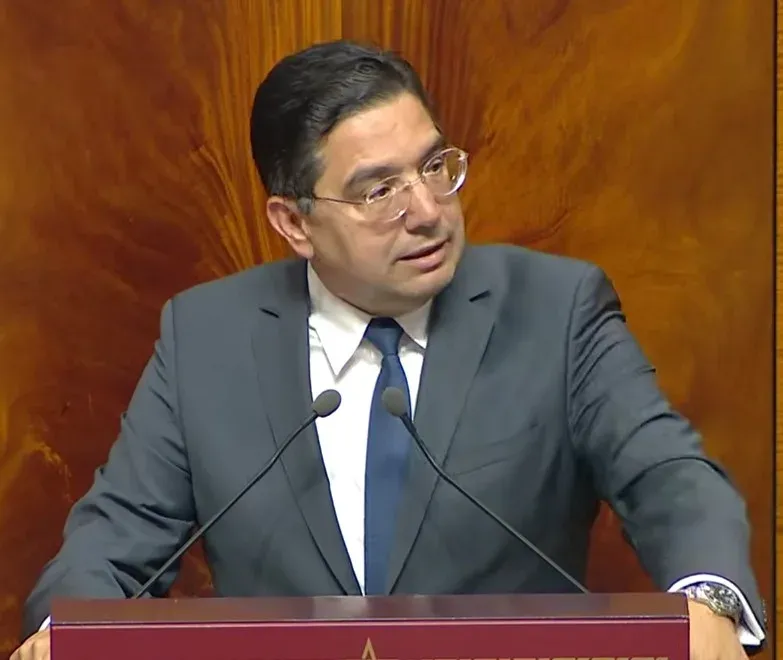
In a significant move to bolster its international relations, Morocco has officially approved 22 new bills that pave the way for various agreements with numerous partner nations. Among these, 17 are bilateral agreements while five are multilateral, focusing on crucial sectors such as customs, taxation, transportation, logistics, maritime affairs, and justice. The announcement was made by Morocco's Minister of Foreign Affairs, Nasser Bourita, during a session of the House of Representatives held on Monday.
The scope of these agreements signifies a comprehensive strategy towards international cooperation that extends beyond conventional frameworks. Minister Bourita articulated that these agreements are a testament to Morocco's dedication to enhancing international partnerships across diverse sectors. He emphasized that they encompass not only traditional sectors like transport and logistics but also innovative fields such as technology and technical collaboration.
Strategic Agreements with Global Partners
Among the agreements, several have been established with countries such as Azerbaijan, Pakistan, Burkina Faso, and Cameroon, all of which hold substantial economic potential. These partnerships particularly aim to enhance the transportation of goods and passengers, improve logistics services, and foster broader economic cooperation. Specifically, seven agreements related to economic cooperation were forwarded for approval, which includes customs collaboration with Guinea-Bissau, tax agreements with Chad and Burundi, and transport accords facilitating the movement of goods and passengers with Guinea-Bissau, air services with Côte d’Ivoire, mutual recognition of driving licenses with Chad, and logistical cooperation with Azerbaijan.
Additionally, the judicial domain is also addressed through seven agreements that focus on legal assistance in criminal matters, extradition processes, and the transfer of sentenced individuals, notably with Malawi, Saudi Arabia, and Austria. Furthermore, three military cooperation agreements with Burkina Faso, Cameroon, and Azerbaijan highlight Morocco’s ongoing commitment to defense and security collaboration.
The five multilateral agreements include provisions for establishing regional organization headquarters in Rabat and aligning Morocco’s maritime transport legislation with international standards regarding passenger transport and seafarer documentation. Bourita noted that these agreements span various functional categories, including industrial development, administrative cooperation, and regulatory frameworks for road transport.
Highlighting the broader implications of these agreements, Bourita stated that they not only hold economic and diplomatic importance but also align with a more results-oriented diplomatic strategy that Morocco has embraced in recent years. The minister remarked on a shift towards pragmatism in foreign policy, emphasizing that agreements are no longer signed for mere symbolism but are aimed at achieving measurable outcomes and tangible benefits.
With two-thirds of the newly signed agreements involving African countries, this initiative underscores Morocco's increasing engagement on the continent. The minister also pointed out that many of these agreements were finalized in Dakhla and Laayoune, showcasing the geographical diversification of Morocco's diplomatic outreach.
As reported by moroccoworldnews.com.