Morocco's Strategic Move to Enhance Hydrocarbon Infrastructure
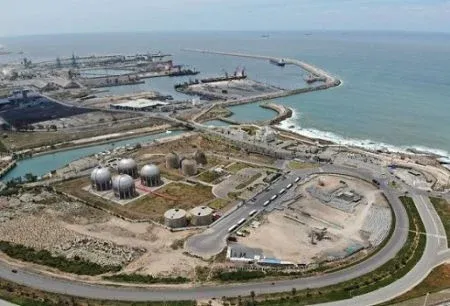
Morocco is making significant strides in bolstering its port infrastructure as part of a broader effort to enhance its hydrocarbon supply chain. This initiative is aimed at increasing the capacity for receiving and storing hydrocarbons, which is crucial for meeting the growing domestic demand. A recent development in this regard is the new concession awarded to Marsa Maroc for the operation of the petroleum terminal 8 Bis at the Jorf Lasfar port. This facility is expected to add an impressive annual capacity of 4.6 million tons for handling liquid bulk, starting from the first quarter of 2029.
The contract, awarded for a duration of 30 years following a competitive bidding process by the National Ports Agency (ANP), requires Marsa Maroc to oversee the design, financing, construction, equipment, and commercial operation of the new terminal. This terminal, which will feature a 71-meter-long quay and a draft of 16.5 meters, is set to significantly enhance the capabilities of the Jorf Lasfar port. The port already hosts several strategic facilities, including hydrocarbon storage units, installations operated by the OCP group (Office Chérifien des Phosphates), and a thermal power plant.
Investing in Energy Security
This investment reflects Morocco's broader strategy to secure the energy supply for the Kingdom. Despite having minimal domestic oil production, Morocco still relies on imports for approximately 90% of its energy needs. While authorities are optimistic about offshore exploration campaigns launched off the coasts of Agadir, Essaouira, Tarfaya, and Dakhla, these efforts have yet to yield results that would significantly lessen this dependence on imported energy.
In anticipation of potential commercial discoveries, Rabat is prioritizing the enhancement of its logistical capabilities. In addition to the developments at Jorf Lasfar, the Nador West Med port complex is projected to handle up to 25 million tons of hydrocarbons annually once fully operational. These investments are also aligned with the national port roadmap aimed at increasing the country's port capacity to 390 million tons by 2030, up from the current 300 million tons projected for 2025, thereby supporting the anticipated growth in traffic.
As reported by agenceecofin.com.