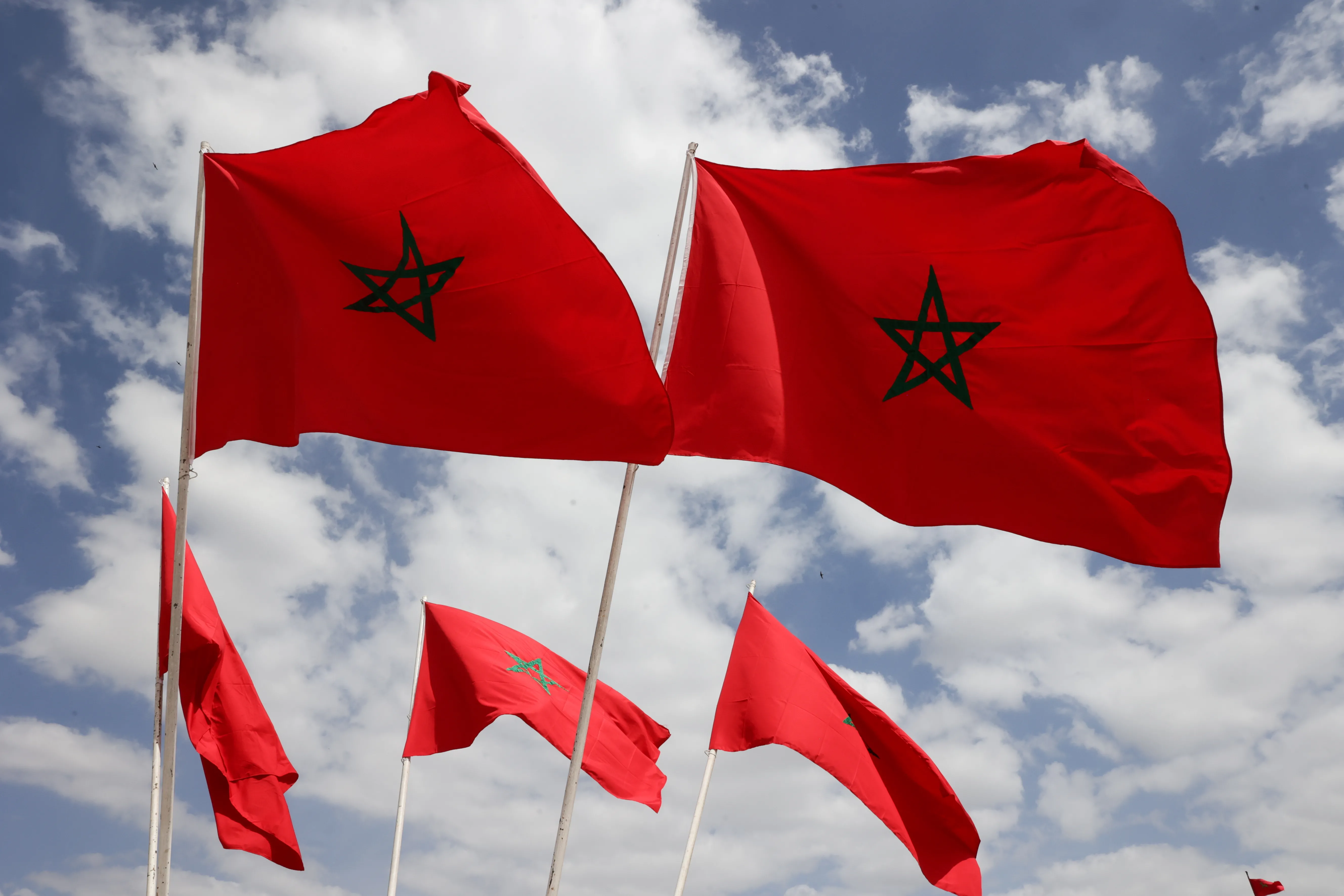

Morocco's Rise in the Industrial Landscape
In a significant shift within Africa's economic framework, Morocco has officially surpassed South Africa to become the continent's leading industrial economy, as highlighted in a recent report released by the African Development Bank (AfDB). This revelation was made during the bank's Annual Meetings held in Brazzaville, where the 2025 Africa Industrialisation Index was presented. The report attributes Morocco's ascent to the forefront of industrial development to its proactive strategies, which include aggressive industrial upgrading, a diversified export portfolio, and a commitment to long-term industrial policies. This transition not only marks a notable achievement for Morocco but also indicates a pivotal change in the balance of economic power across the African continent.
Positioning itself as a vital manufacturing and export hub, Morocco is increasingly connecting Europe, Africa, and the Middle East, thus enhancing its role in the global supply chain. Despite South Africa's longstanding reputation as one of Africa's largest industrial powerhouses, the report indicates that it has faced challenges regarding competitiveness, which have hindered its growth in recent years. While North and Southern Africa continue to lead in industrial production and export sophistication, the report reveals that many nations in East, West, and Central Africa are still struggling with limited manufacturing capabilities and less developed regional production networks.
The Challenges of Intra-African Trade
Furthermore, the AfDB's report sheds light on one of the continent's most pressing economic challenges: the low levels of intra-African trade. The findings indicate that intra-African trade only accounted for a mere 14.4% of total trade, underscoring the fragmentation of supply chains and a lack of industrial integration within African economies. This situation presents a significant barrier to the continent's overall industrial growth and economic prosperity. The index evaluated industrial development across 54 African nations from 2010 to 2024, revealing that 41 countries have improved their industrialisation scores, contributing to a 6% increase in Africa's overall industrial performance.
Ousmane Fall, speaking at the launch of the report, characterized it as both a “diagnosis and roadmap” for the future of industrialization in Africa. He emphasized that the continent’s industrial ambitions hinge on several critical factors, including access to reliable energy, robust infrastructure, the development of technical skills, adequate financing, and enhanced regional integration facilitated by the African Continental Free Trade Area framework. These elements are essential for fostering a more interconnected and competitive industrial landscape across Africa.
As reported by africa.businessinsider.com.